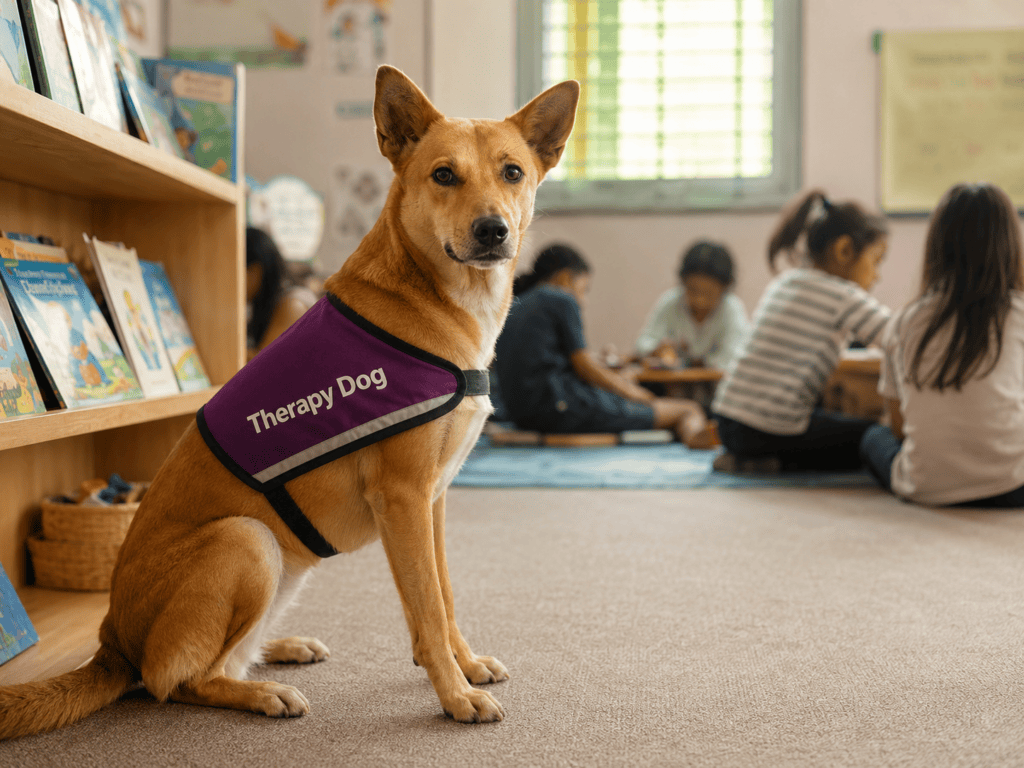
A therapy dog visits hospitals, schools, care homes and rehabilitation centres. It offers comfort and emotional support to many different people, not just one handler. This category explains what therapy dogs do, how they differ from assistance dogs, and why therapy dog programmes in India are still rare despite the enormous need for them.
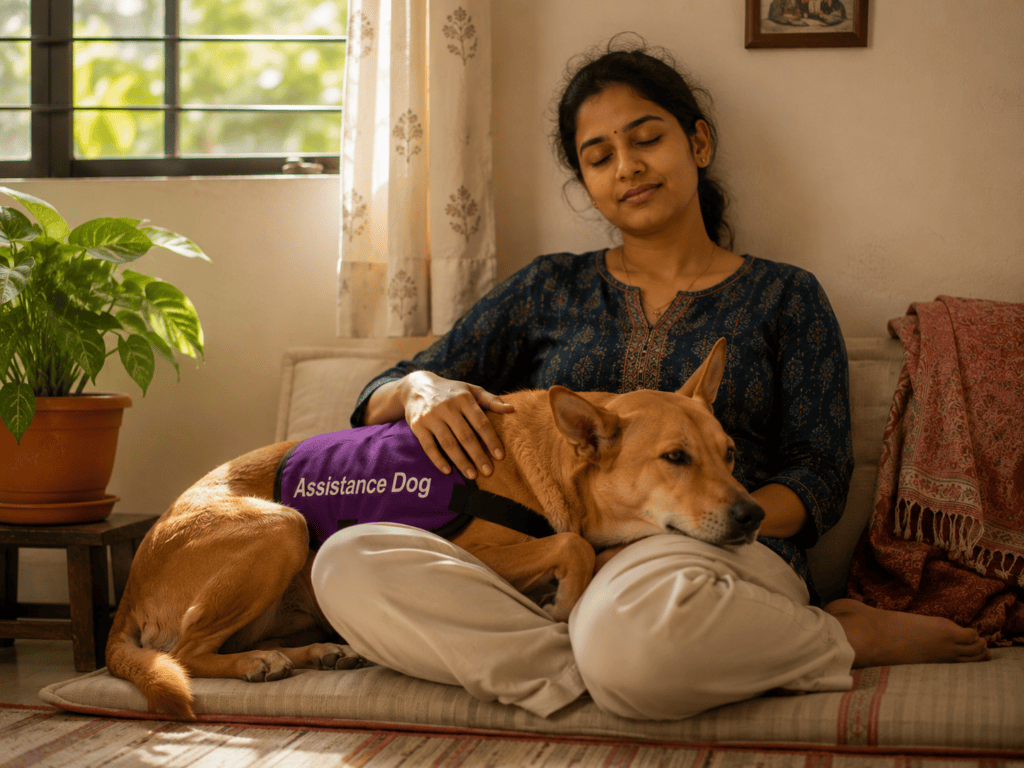
Deep pressure therapy uses firm, sustained pressure to calm the nervous system. HeartDogs explains the science, who it helps, and why a trained dog does it differently from a weighted blanket.
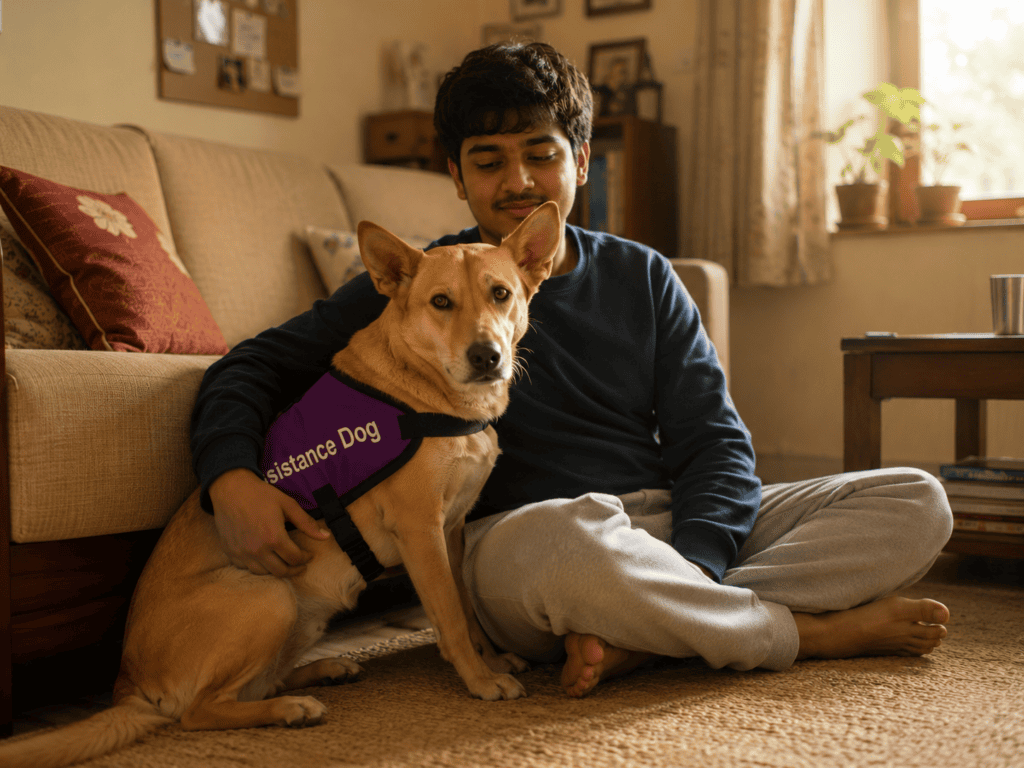
An autism assistance dog lives with the family, not visits it. HeartDogs explains the specific tasks it performs – and what changes for the whole family, not just the individual.
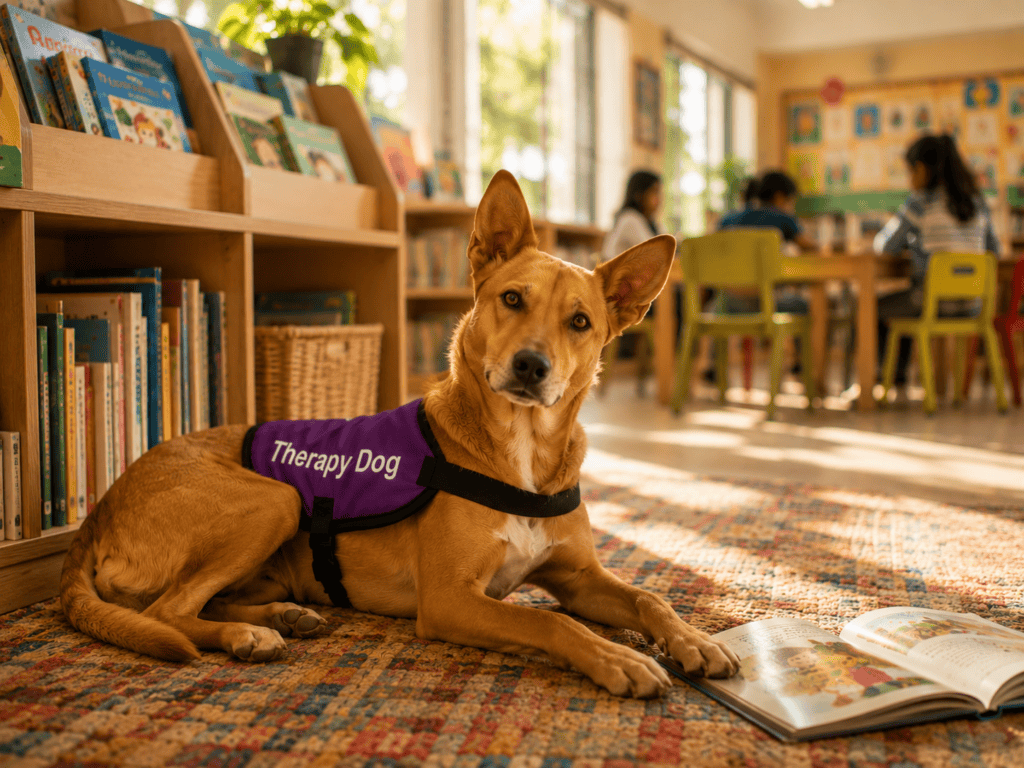
Reading to a calm, non-judgemental dog reduces anxiety and builds reading confidence. HeartDogs explains how reading-assistance programmes work and why India needs them.
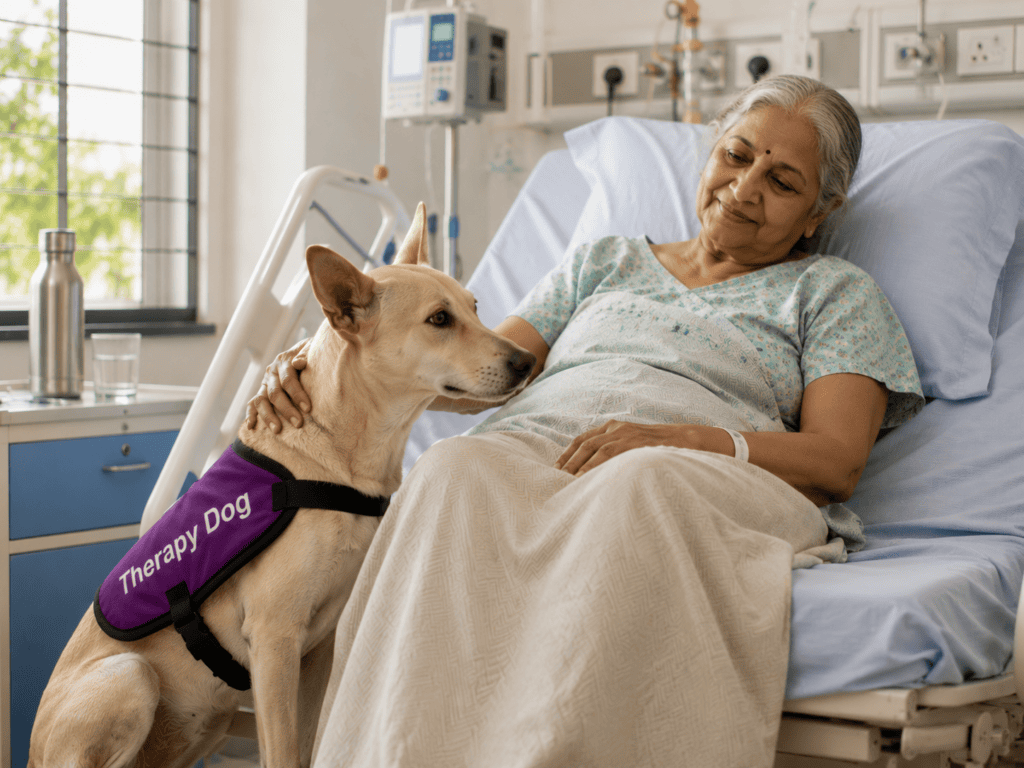
Hospitals abroad use therapy dogs regularly for patient wellbeing. HeartDogs explains what these programmes involve, what the evidence shows and what it would take to build one in India.
Research shows therapy dogs reduce anxiety, improve mood and support student wellbeing. HeartDogs explains what the evidence says and why it matters for Indian schools.
Indies are known for their resilience. HeartDogs explains the genetic health profile, common issues in rescued dogs, lifespan, diet and what it means for working dogs.
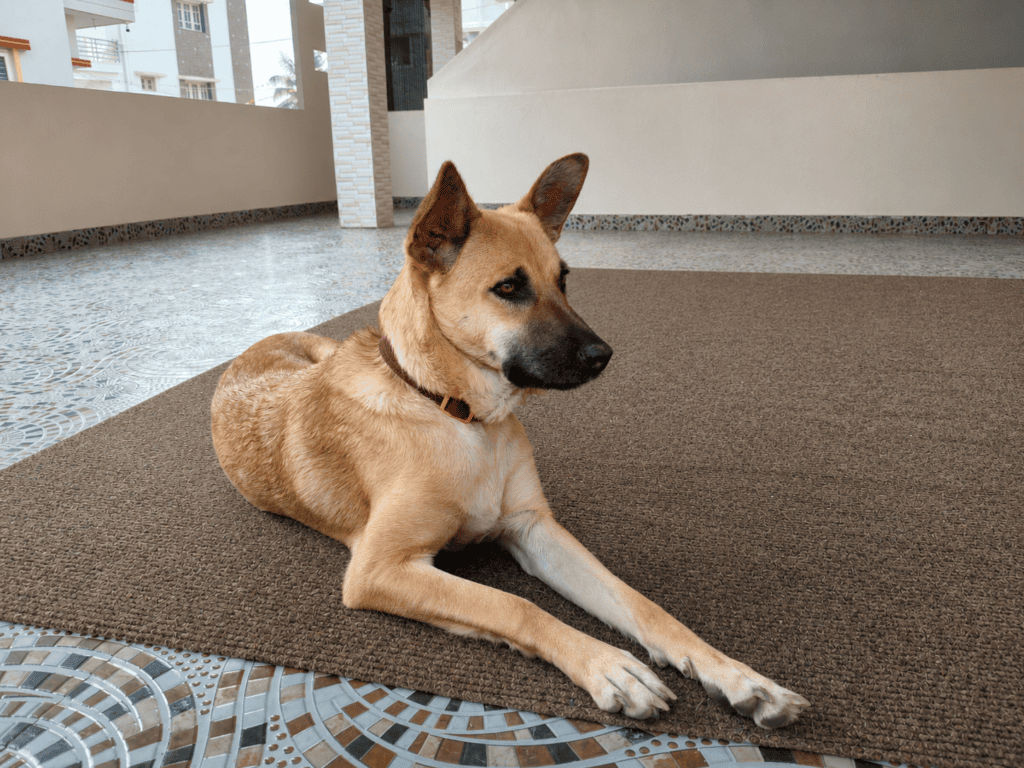
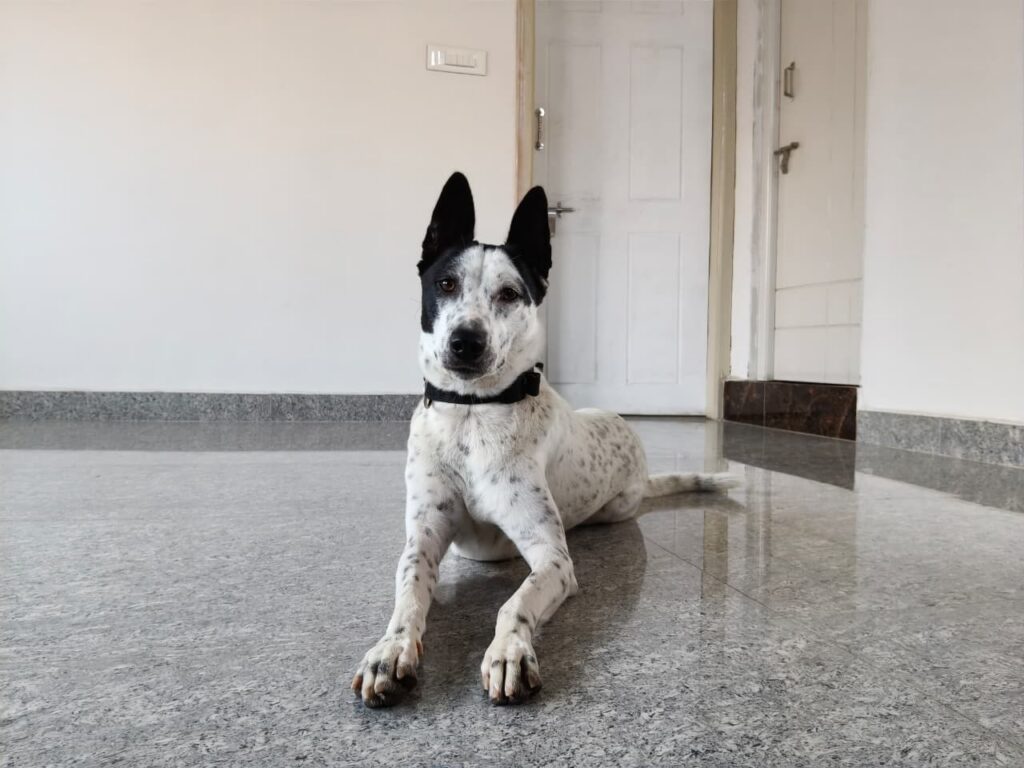
Indies are often overlooked in favour of pedigree breeds. Here’s what the research and real family experience actually shows about India’s native landrace dog.
Intelligent, resilient and alert – the Indie’s temperament was shaped by natural selection, not human breeding. HeartDogs explains what research actually shows.