Why naturally evolved dogs tend to be healthier
Most of the serious health conditions that affect popular pedigree breeds - hip dysplasia in German Shepherds, cardiac disease in Cavalier King Charles Spaniels, respiratory problems in Pugs and Bulldogs - are products of selective breeding within closed gene pools. When a small set of traits is repeatedly concentrated, genetic vulnerabilities concentrate alongside them.
The Indie, as a naturally evolved landrace, didn't go through that process. Generations of natural selection in India's conditions favoured dogs that were able to survive and reproduce successfully. The result is a dog with wide genetic diversity and a lower burden of inherited disorders than many closed pedigree populations.
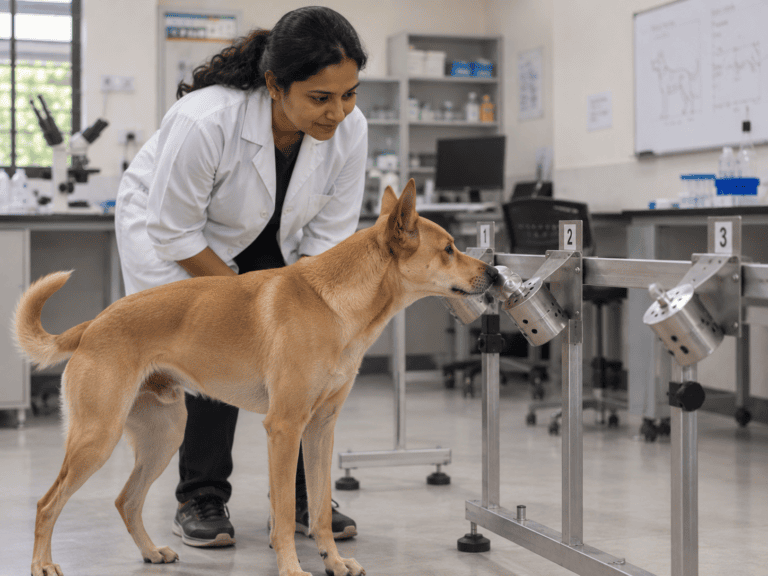
The INDog Project, which advocates for India's indigenous dogs, describes the breed this way: "Genetic health ailments like hip dysplasia, etc. are extremely rare since in a naturally evolved breed only the fittest breed and the flaws are bred out." A 2025 genetic diversity study of indigenous and exotic dog breeds in India found that indigenous breeds showed higher levels of genetic variety than their exotic counterparts - a pattern consistent with the general understanding that closed pedigree gene pools tend to accumulate inherited disorders over generations.
INDog Project Breed Standard · Kaur et al., Discover Biotechnology, 2025
How long do Indies live?
The INDog Project estimates average life expectancy at over 15 years under good care. Other sources cite a realistic range of 12 to 16 years, with well-cared-for dogs sometimes living beyond this. However well stated, it places the Indie among the longer-lived dog populations relative to its size.
It is important to note that "under good care" is the operative phrase. Indies that have lived on the street, particularly those adopted as adults, may carry the physical effects of early malnutrition, injury or disease. Their lifespan potential is real, but it is realised through consistent care, not assumed.
The honest picture for street-origin dogs
The breed's genetic resilience is real. But many Indies, particularly those adopted from the street or shelters, come with a history that affects their immediate health. Guardians should be aware of a few specific issues.
- Tick-borne diseases. Ehrlichiosis and babesiosis are common in free-ranging dogs across India. These are transmitted by ticks and can cause serious illness if untreated - symptoms include lethargy, fever, anaemia and loss of appetite. A blood test at adoption, and regular tick prevention thereafter, is essential. Many rescued Indies carry one or both and need a course of treatment before or shortly after rehoming.
- Intestinal parasites. Roundworms, hookworms and tapeworms are routine in street-origin dogs. A deworming protocol on adoption, followed by regular deworming, is standard care. This is not specific to Indies - it applies to any dog of unknown history.
- Skin conditions. Mange (caused by mites) and fungal infections are common in street dogs, particularly those with compromised immunity from nutritional deficits. Most respond well to veterinary treatment. Regular bathing and a good diet address the underlying vulnerability.
- Effects of early malnutrition. Dogs that experienced significant nutritional deficit during their growth phase may be smaller than average, have weaker teeth or bone density, and show a dull coat. These effects can persist into adulthood. A high-quality, protein-rich diet in the first year of adoption, guided by a vet, helps address them.
None of these conditions means a rescued Indie won't thrive. Most do, quickly and visibly. The point is to go in with awareness rather than assumptions, get a veterinary check soon after adoption, and treat what's there before it becomes a larger problem.
What good care looks like
The INDog Project breed standard describes Indies as thriving "with minimal maintenance, especially in tropical weather." That's accurate for a dog in good condition. The standard care an Indie needs is straightforward.
- Vaccination. Core vaccines (rabies, distemper, parvovirus, hepatitis) and annual boosters. A rabies vaccine is non-negotiable in India - for the dog's protection and for public health.
- Tick and flea prevention. Monthly tick prevention is particularly important in India's climate. Tick-borne diseases are common and preventable.
- Regular deworming. Every three to six months, or as advised by a vet.
- Annual veterinary check. A routine check once a year covers teeth, weight, any emerging issues and vaccine updates. Indies rarely need more than this under good care.
- Spaying or neutering. For both health and population management reasons. Spaying females significantly reduces the risk of uterine infections and mammary tumours. Neutering males prevents testicular disease and may reduce roaming and territorial behaviour in some dogs.
What to feed an Indie
Indies evolved as opportunistic omnivores, scavenging human waste and hunting small prey. They are highly adaptable feeders. A balanced commercial diet or a properly formulated home-cooked diet - including animal protein, vegetables and carbohydrates - can all support good health. Many guardians feed rice with chicken, fish or eggs alongside vegetables, which works well in practice.
The INDog Project breed standard notes they are "very modest eaters and will rarely overeat" - though a dog transitioning from street scavenging to reliable meals sometimes overeats initially before settling. Providing consistent, measured meals twice a day is the standard approach. Good quality commercial dog food formulated for the Indian market is suitable, as is a balanced home-cooked diet. Fresh water at all times.
For recently adopted dogs showing signs of prior malnutrition, a vet may recommend a higher-protein diet during the first year to help recovery. This is a temporary phase, not a permanent dietary requirement.
Activity needs and climate suitability
The INDog Project breed standard describes Indies as a "very active breed" that thrives with regular exercise, including long walks. They handle India's heat well - one reason they are generally well suited to India's climate. The breed standard specifically notes that Indies "do not stand cold very well," which is relevant for guardians in hilly regions or homes with aggressive air conditioning.
Mental stimulation is as important as physical exercise. An Indie that is physically exercised but mentally understimulated will find its own ways to fill the gap. Training sessions, puzzle feeders and varied environments keep an Indie engaged and settled.
Why this health profile matters for HeartDogs
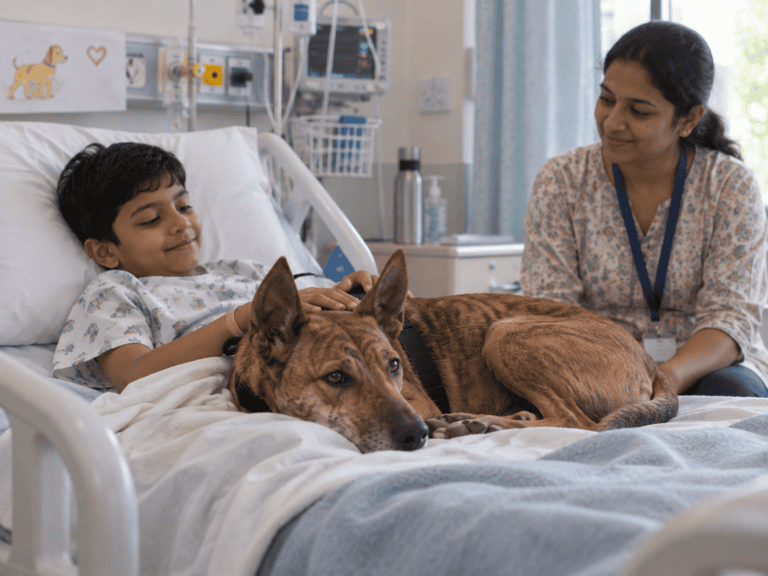
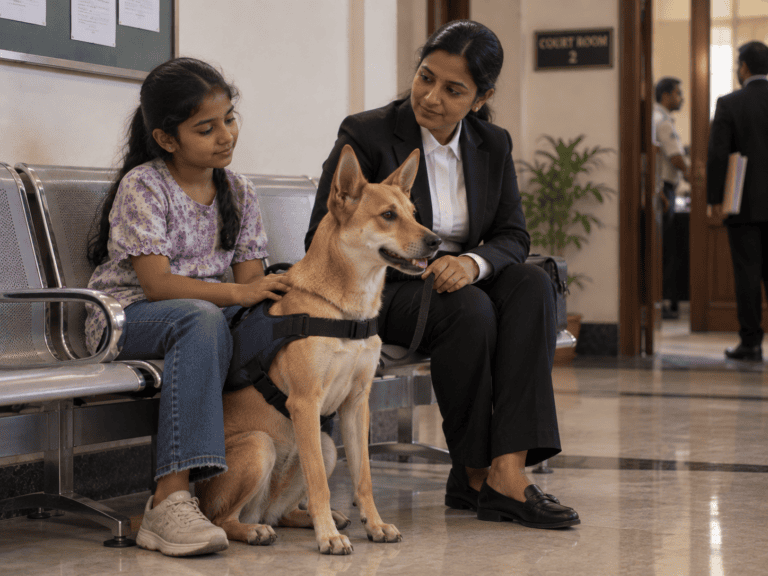
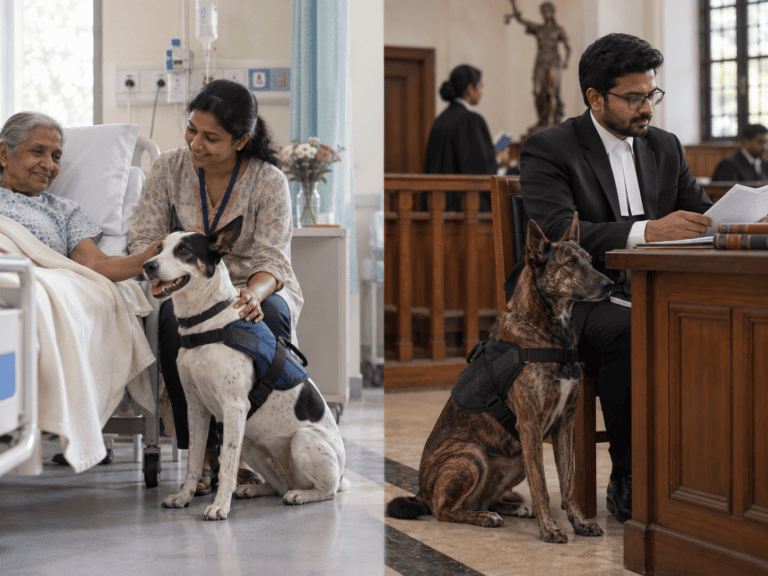
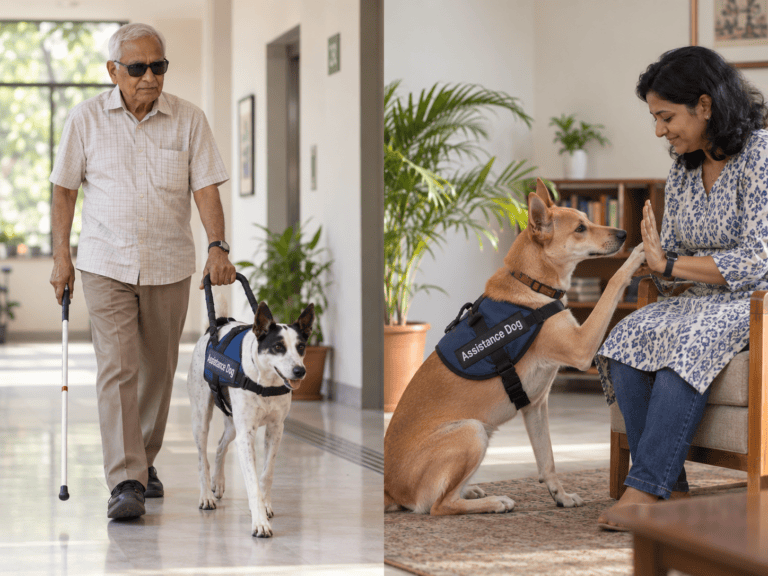
An assistance or therapy dog needs to stay healthy and capable throughout a working life of eight to ten years. A dog with a higher risk of inherited structural disease, or that requires intensive climate management, adds cost and complexity to that long-term commitment. The Indie's genetic diversity, adaptation to Indian conditions and generally robust health profile make it a promising candidate for this kind of sustained working role. HeartDogs is evaluating these potential advantages through its programme.
HeartDogs ensures every dog in the programme is health-screened before training begins, vaccinated and regularly monitored throughout. The dogs in our programme are not simply selected for temperament - their physical health is tracked from the earliest stages, because the families who eventually receive them are depending on the dog being genuinely ready and able to work.
"...have very few health concerns and thrive with minimal maintenance, especially in tropical weather." - INDog Project Breed Standard