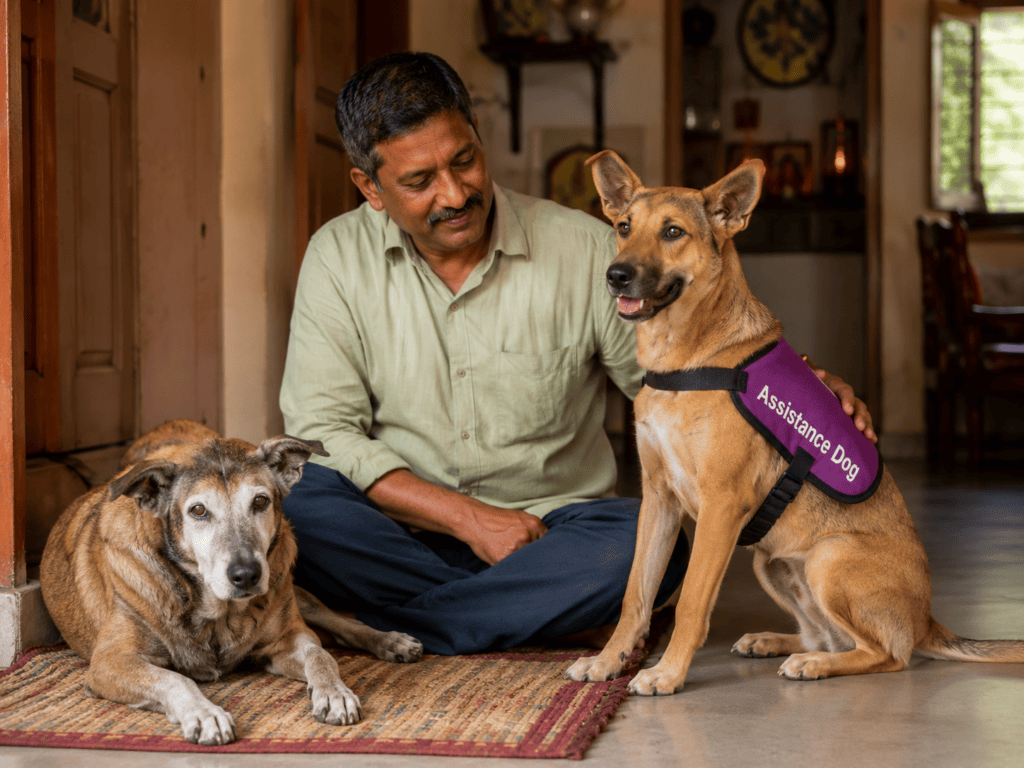
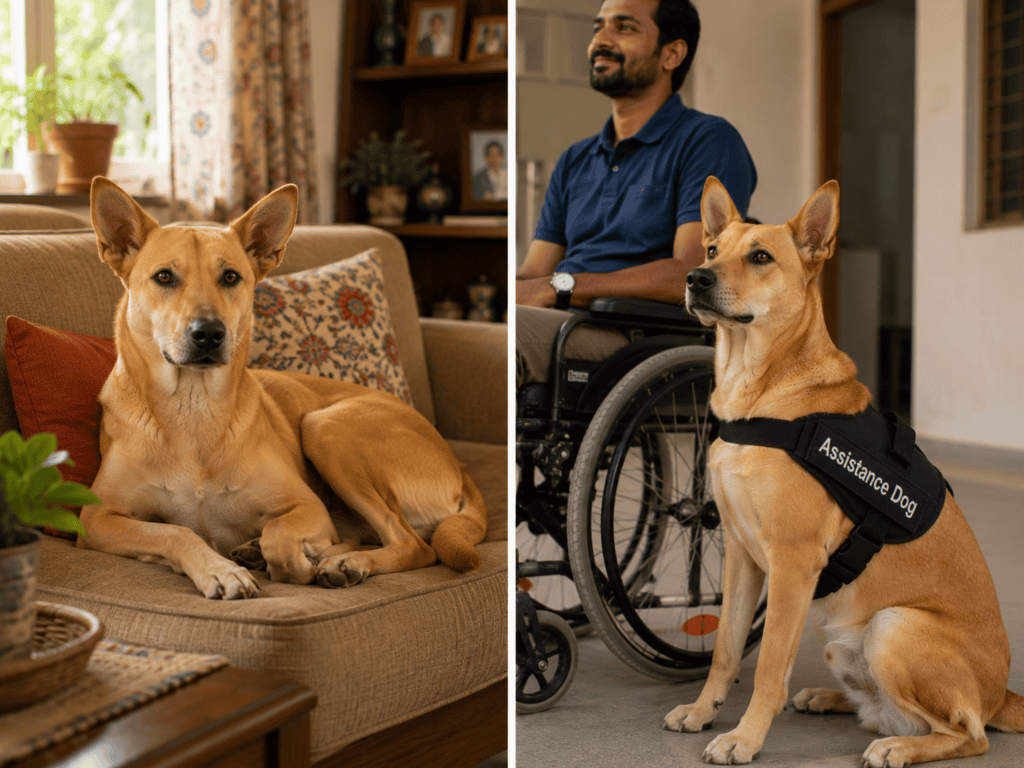
India has almost no established assistance dog culture. Yet millions of people here could benefit from a trained assistance dog. This category looks at the gap – why it exists, what it costs families, and what it would take to build a credible assistance dog model suited to Indian conditions.
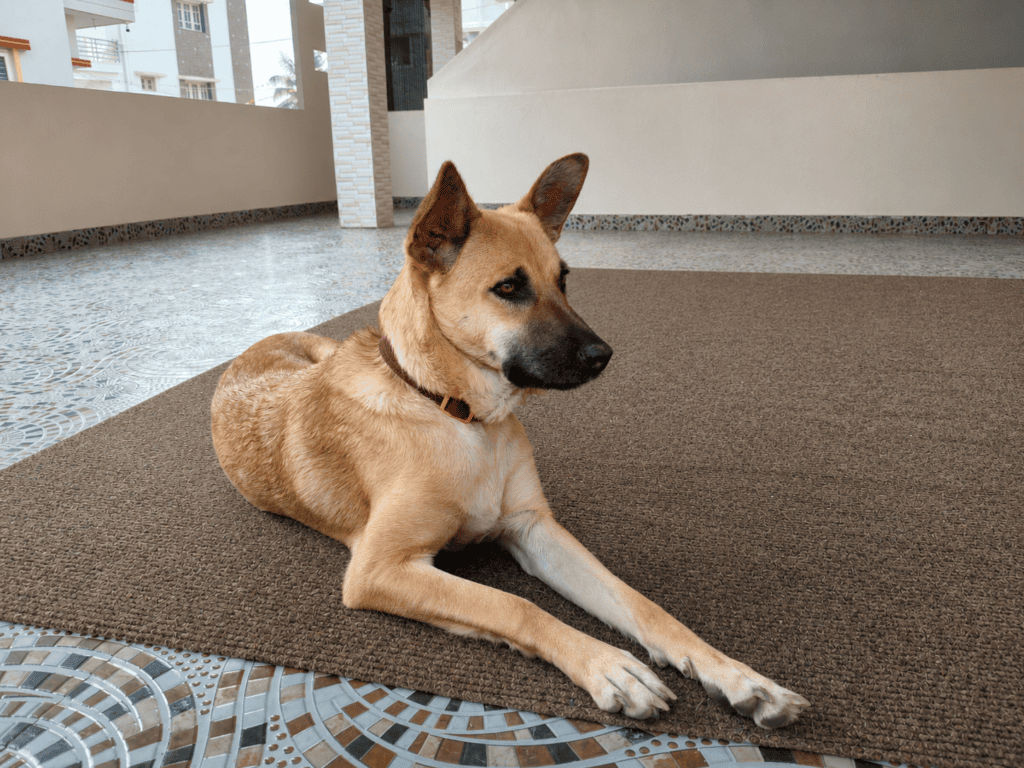
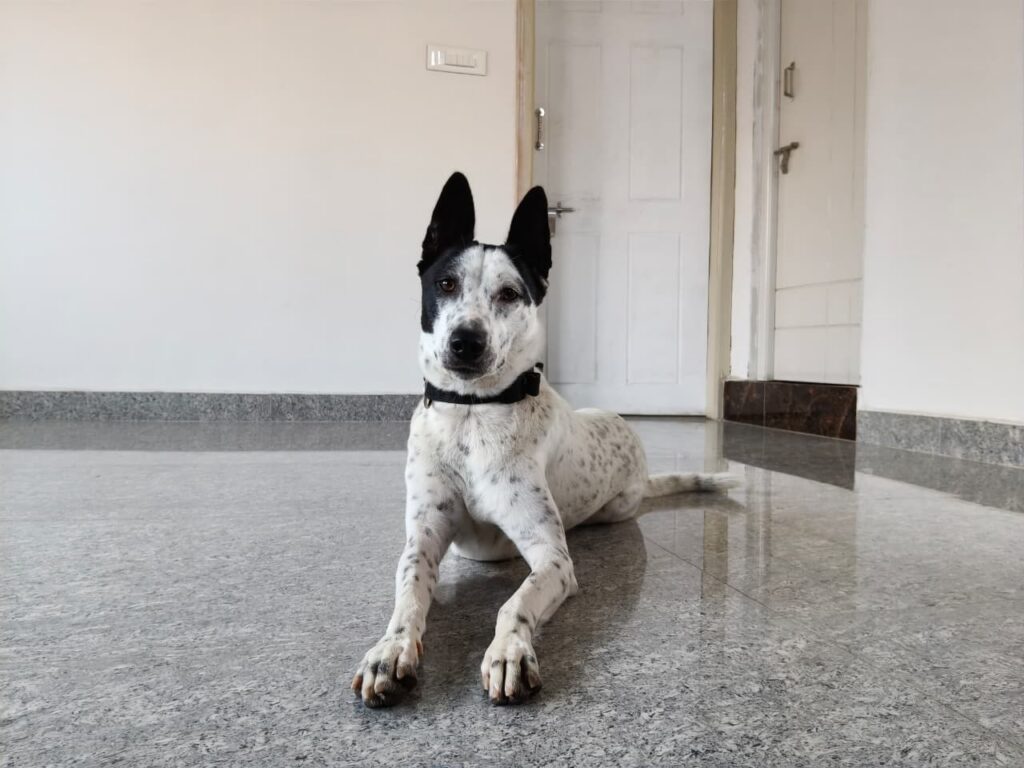
Intelligent, resilient and alert – the Indie’s temperament was shaped by natural selection, not human breeding. HeartDogs explains what research actually shows.
Epilepsy and seizure disorders affect an estimated 12 million people in India. HeartDogs explains the basics and how trained support dogs can play a real role.
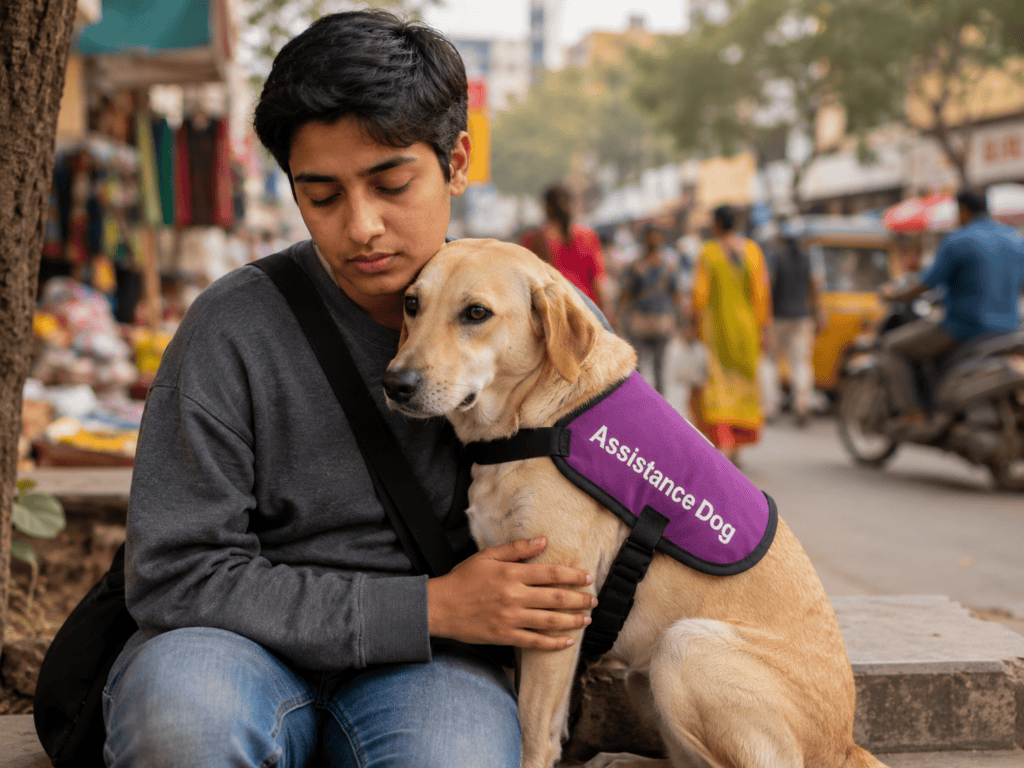
Many autistic people experience the world differently through their senses. HeartDogs explains sensory processing, what it looks like in India, and how assistance dogs can help.
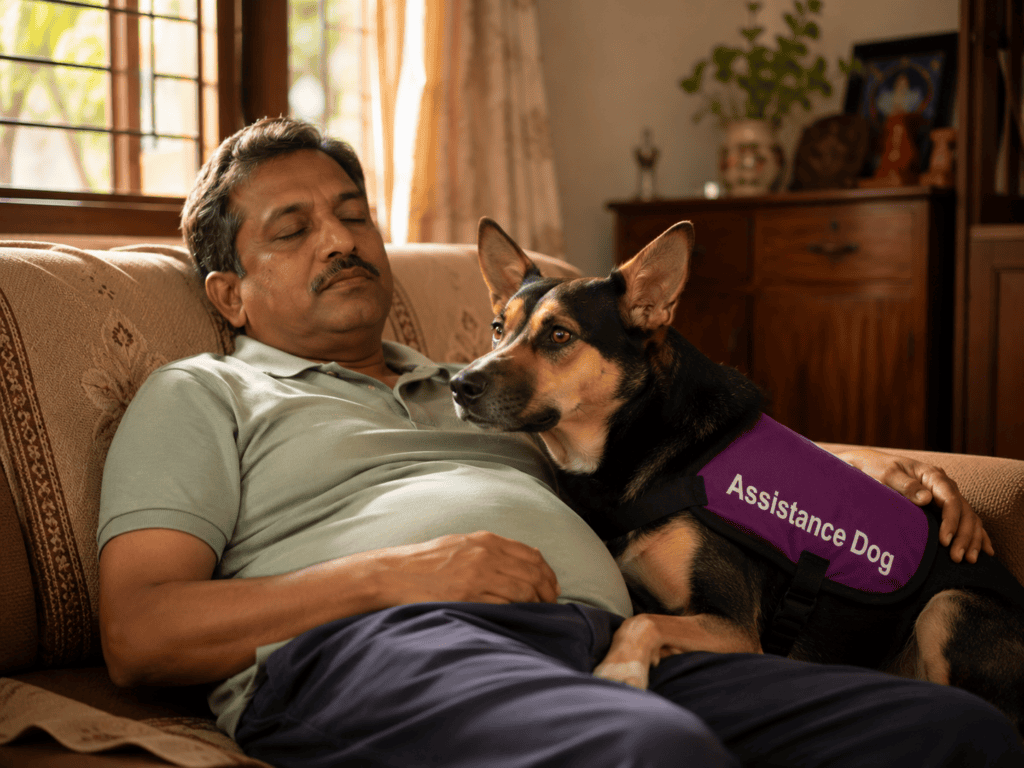
An assistance dog works for around eight to ten years. HeartDogs explains what happens to the person when the dog gets sick, retires or dies – and how good programmes plan for it.
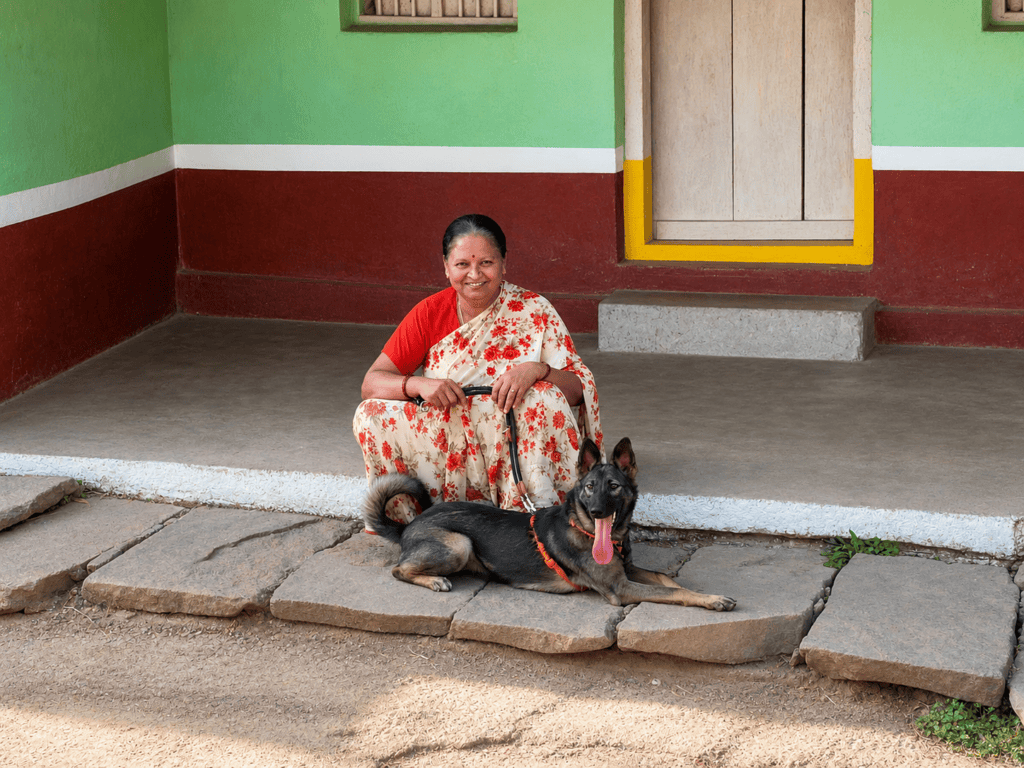
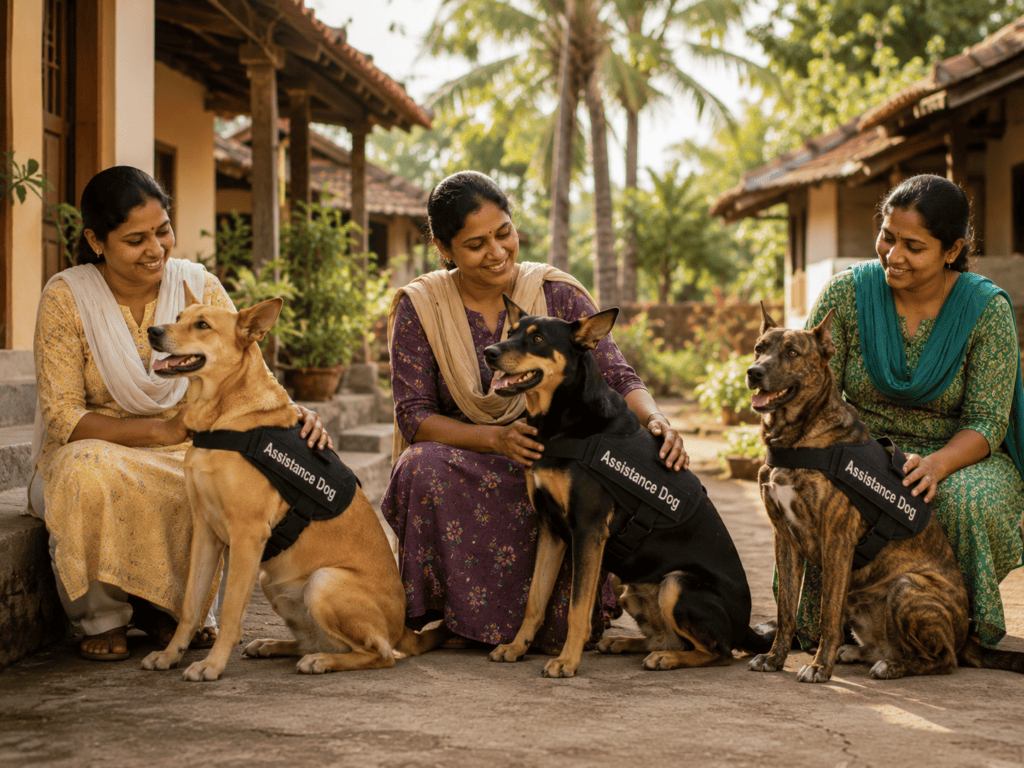
: Assistance dog training is skilled work. HeartDogs explains why women in rural India – with no formal background – are exactly the right people for it.
India has tens of millions of people who could benefit from assistance dogs. HeartDogs looks at whether a credible, scalable programme is actually possible here.
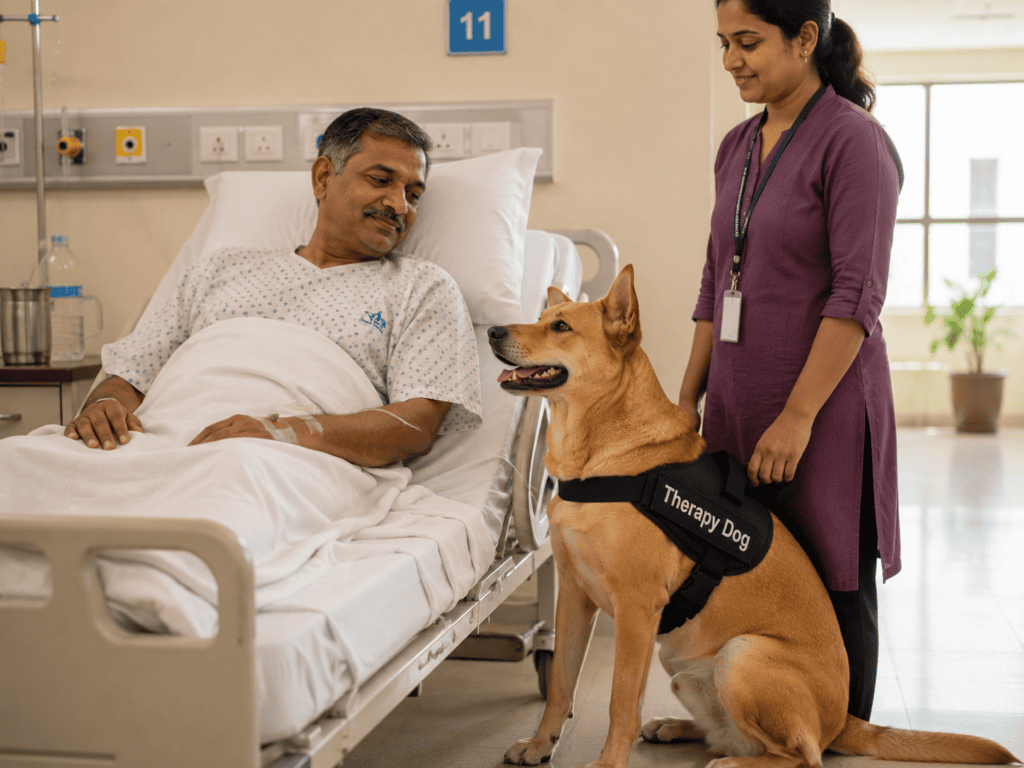
Dogs in hospitals sounds unusual in India. HeartDogs looks at what the evidence says about hygiene, infection risk and how responsible programmes manage it.
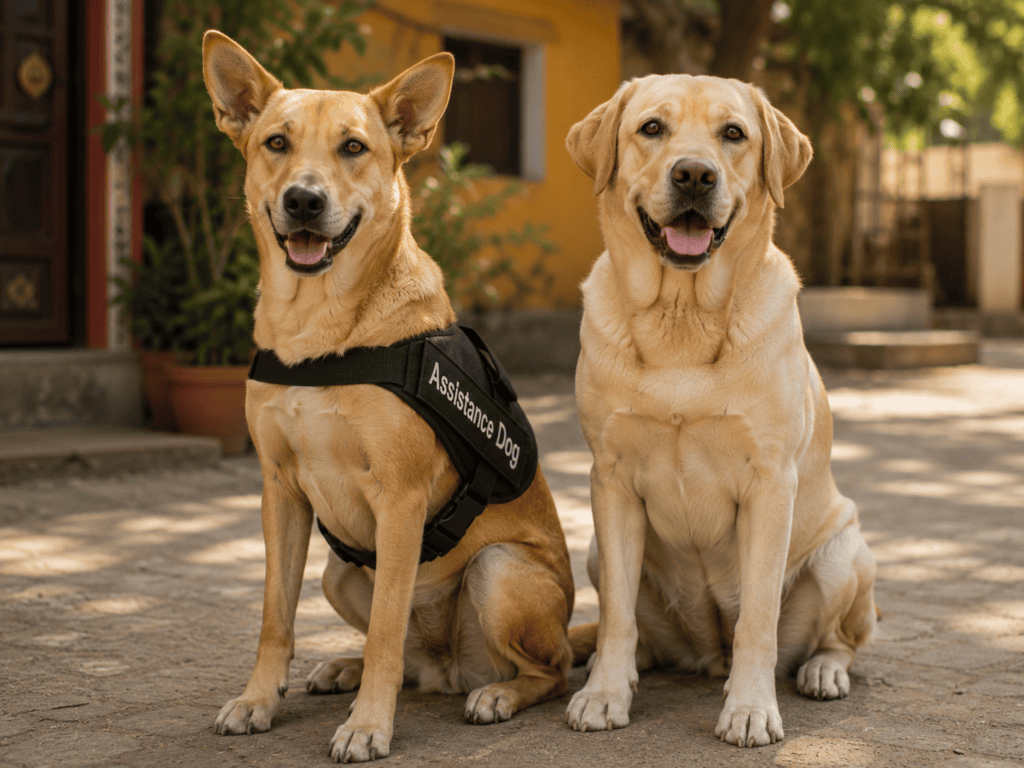
Labradors dominate assistance dog programmes globally. HeartDogs explains why Indies, India’s native landrace dogs, are a better fit for assistance work in India.