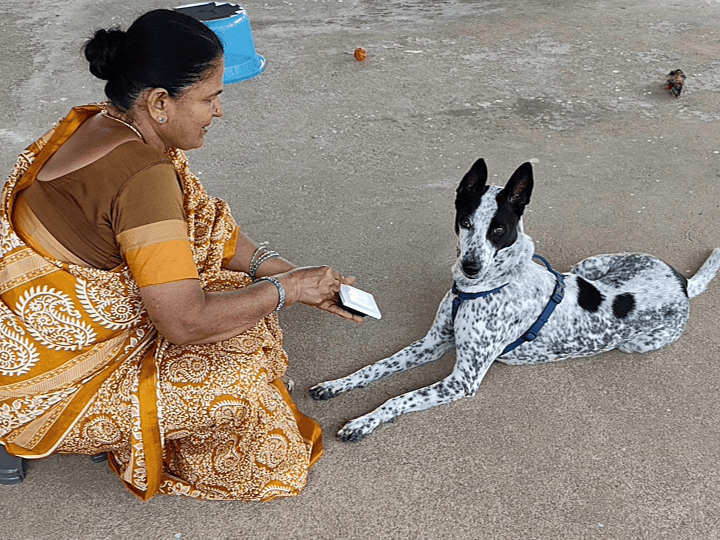
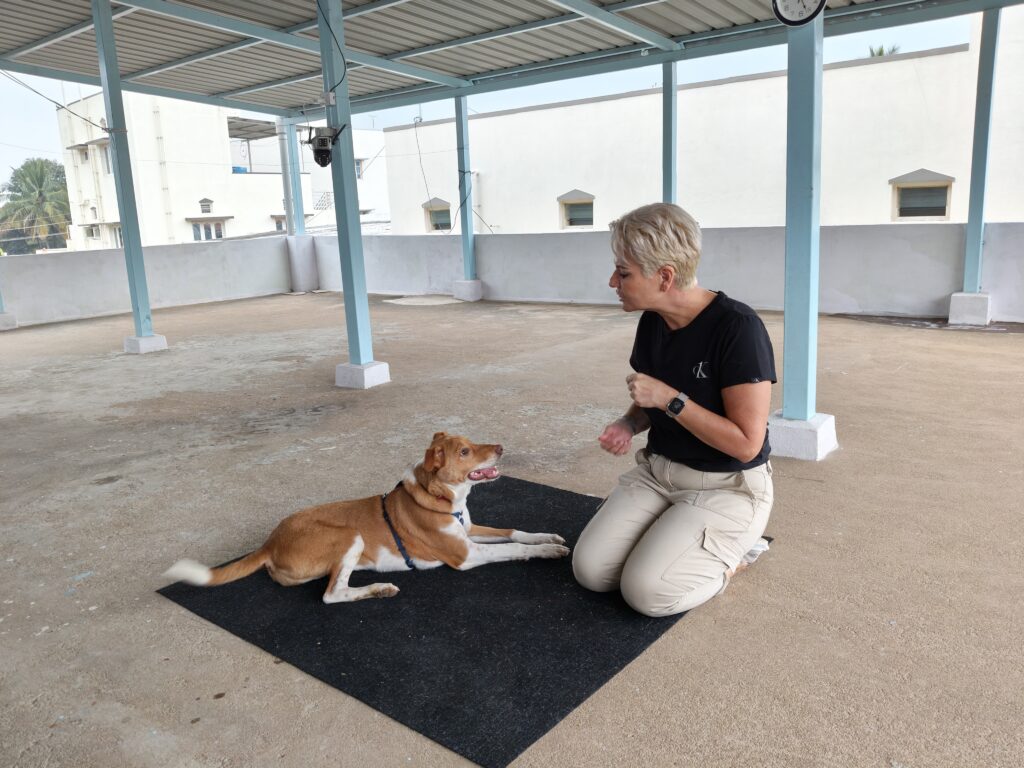
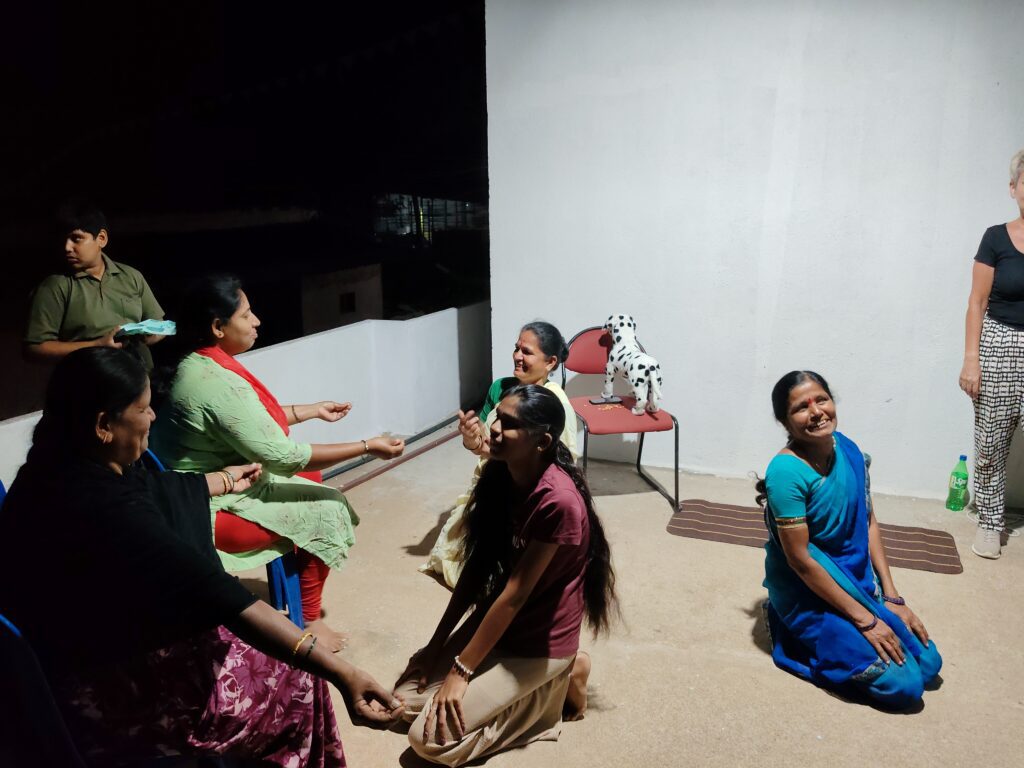
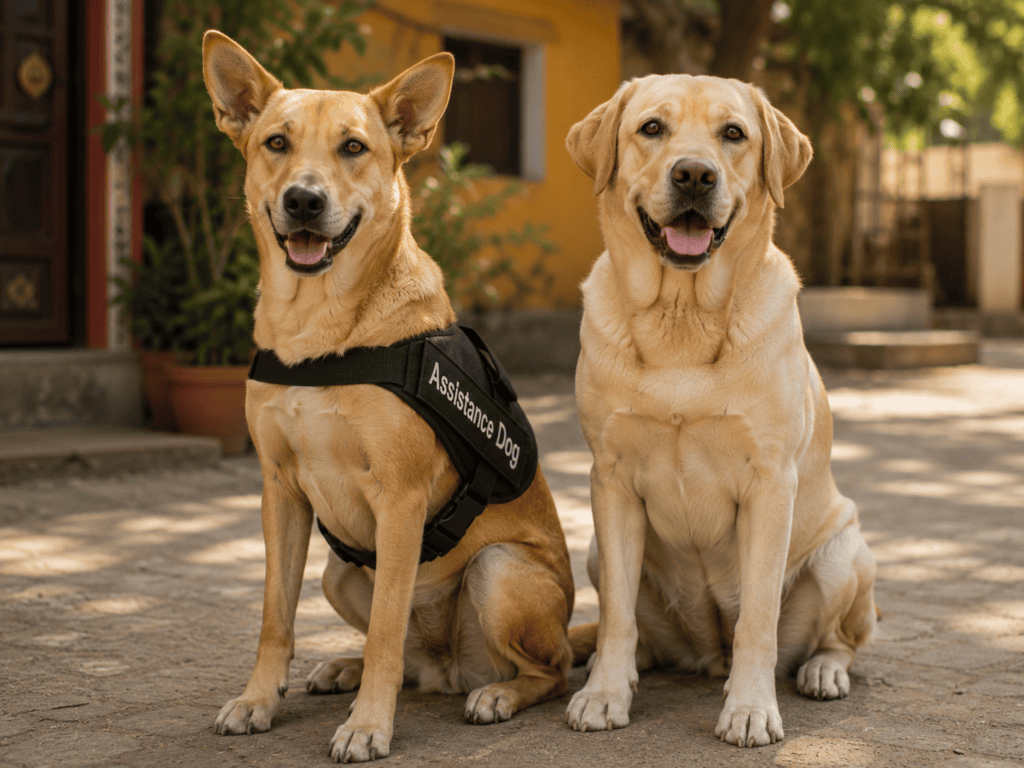
Training an assistance dog takes time, structure and the right methods. This category covers the full training process – from temperament assessment to task training and placement – with a focus on what this looks like in an Indian context, where the infrastructure and expertise are still being built.
Positive reinforcement is the foundation of modern humane dog training. HeartDogs explains the science, the mechanics and why it produces better results for assistance dogs.
Force-free training relies on rewards, not punishment. HeartDogs explains what it means, what the evidence shows, and why it’s non-negotiable for assistance dog work.
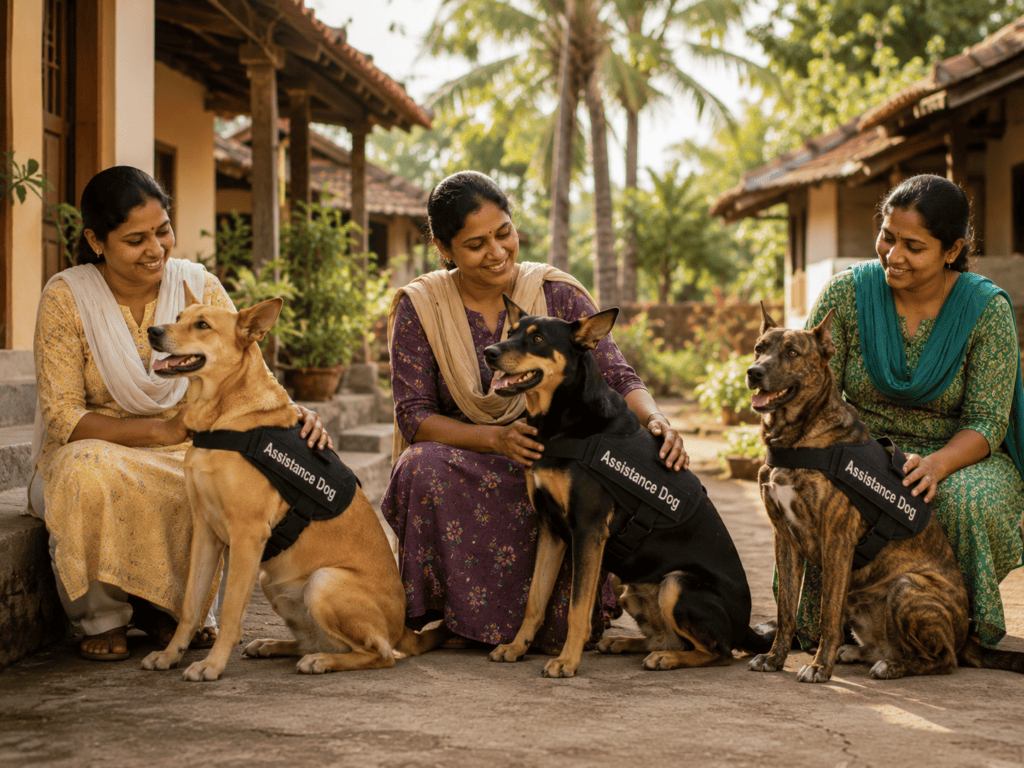
HeartDogs calls its foster-trainers Heroes – and for good reason. Here is what the role actually involves, how it was formalised for India, and why it matters.
Indies are known for their resilience. HeartDogs explains the genetic health profile, common issues in rescued dogs, lifespan, diet and what it means for working dogs.
An assistance dog works for around eight to ten years. HeartDogs explains what happens to the person when the dog gets sick, retires or dies – and how good programmes plan for it.
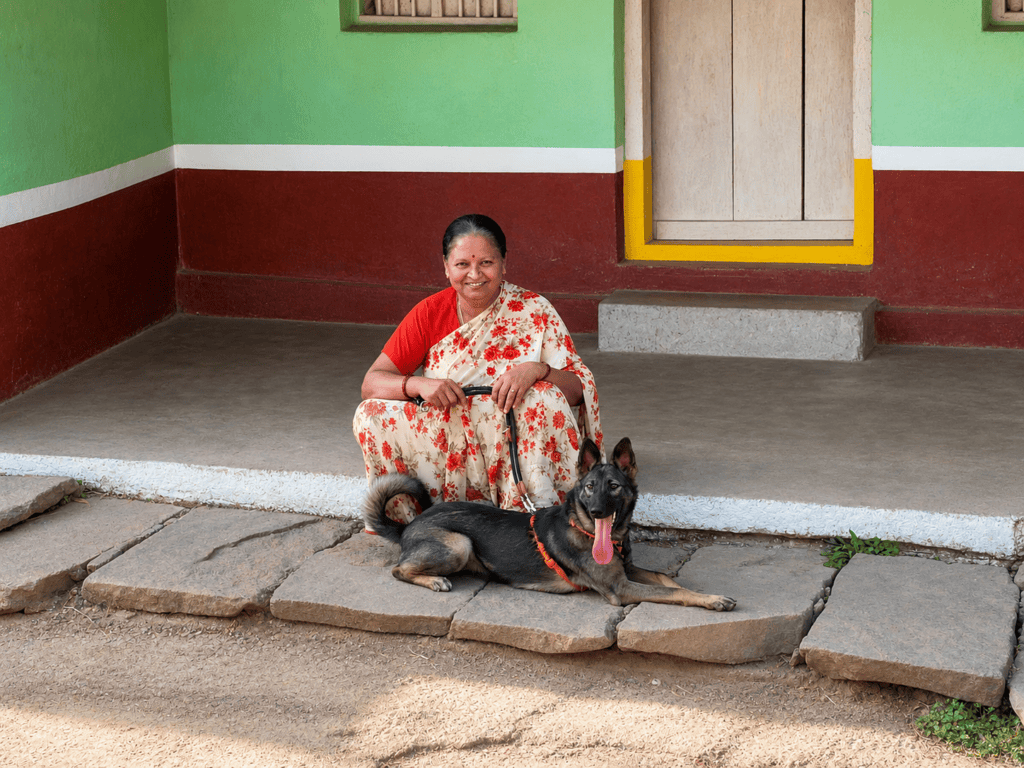
: Assistance dog training is skilled work. HeartDogs explains why women in rural India – with no formal background – are exactly the right people for it.
India has tens of millions of people who could benefit from assistance dogs. HeartDogs looks at whether a credible, scalable programme is actually possible here.
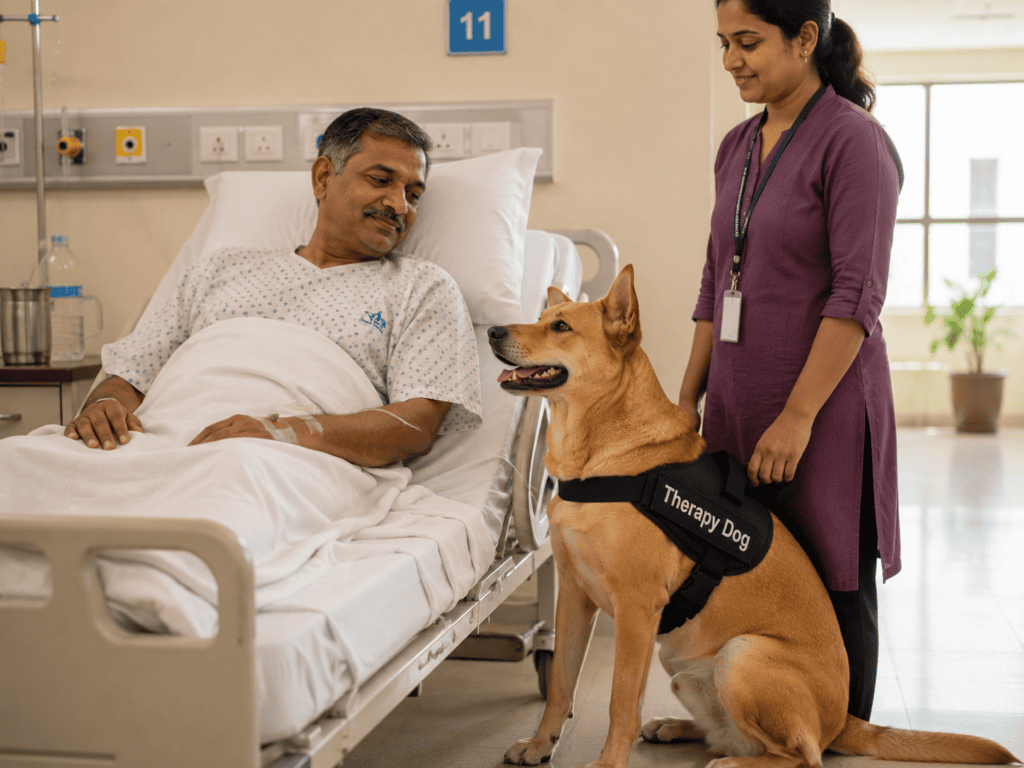
Dogs in hospitals sounds unusual in India. HeartDogs looks at what the evidence says about hygiene, infection risk and how responsible programmes manage it.
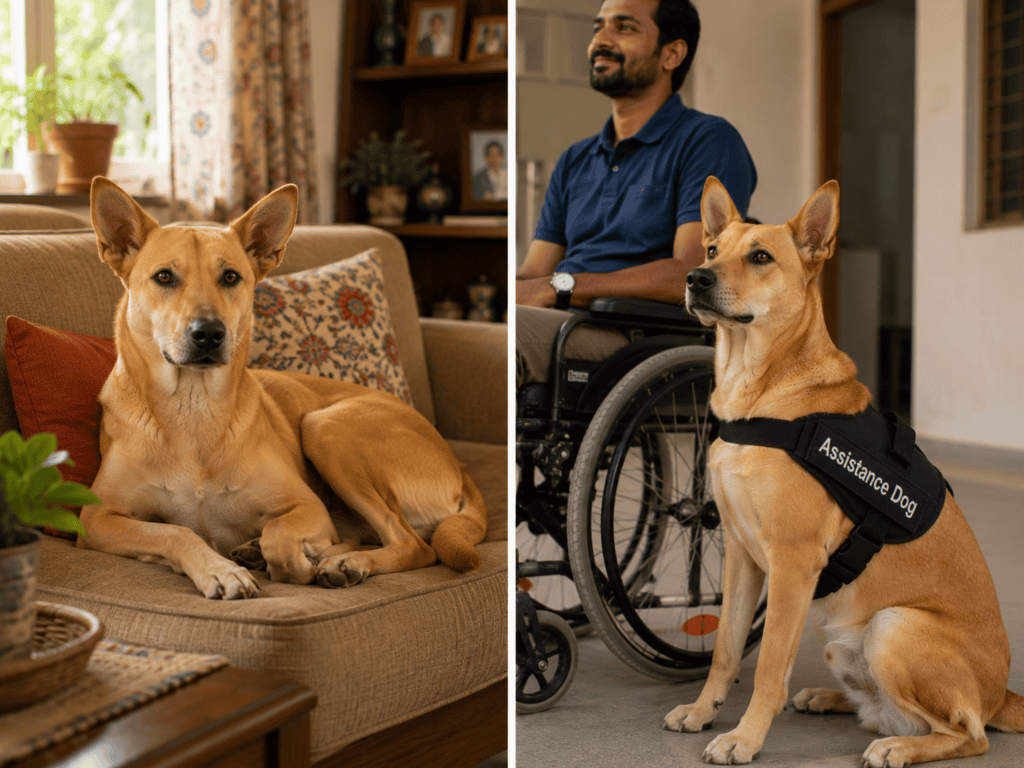
Labradors dominate assistance dog programmes globally. HeartDogs explains why Indies, India’s native landrace dogs, are a better fit for assistance work in India.