Animal-assisted intervention uses animals to support human health, education and wellbeing. It covers therapy, assistance work, educational support and informal comfort visits. This category explains the broader field, the categories within it, and why India is only beginning to explore what other countries have practised for decades.
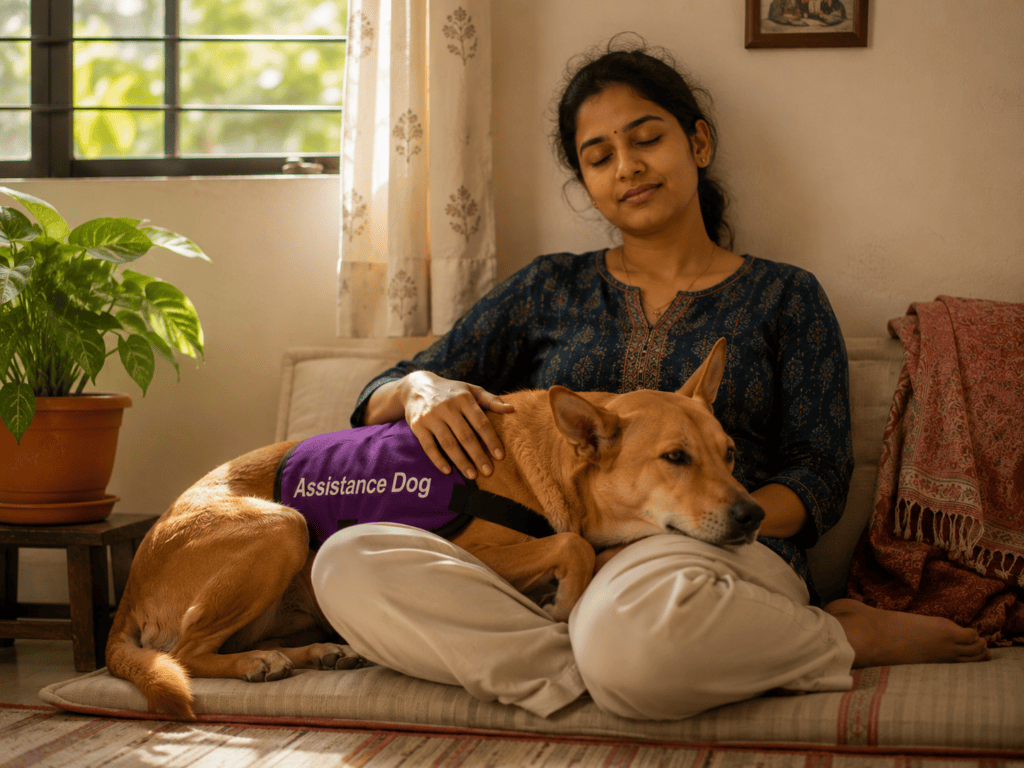
Deep pressure therapy uses firm, sustained pressure to calm the nervous system. HeartDogs explains the science, who it helps, and why a trained dog does it differently from a weighted blanket.
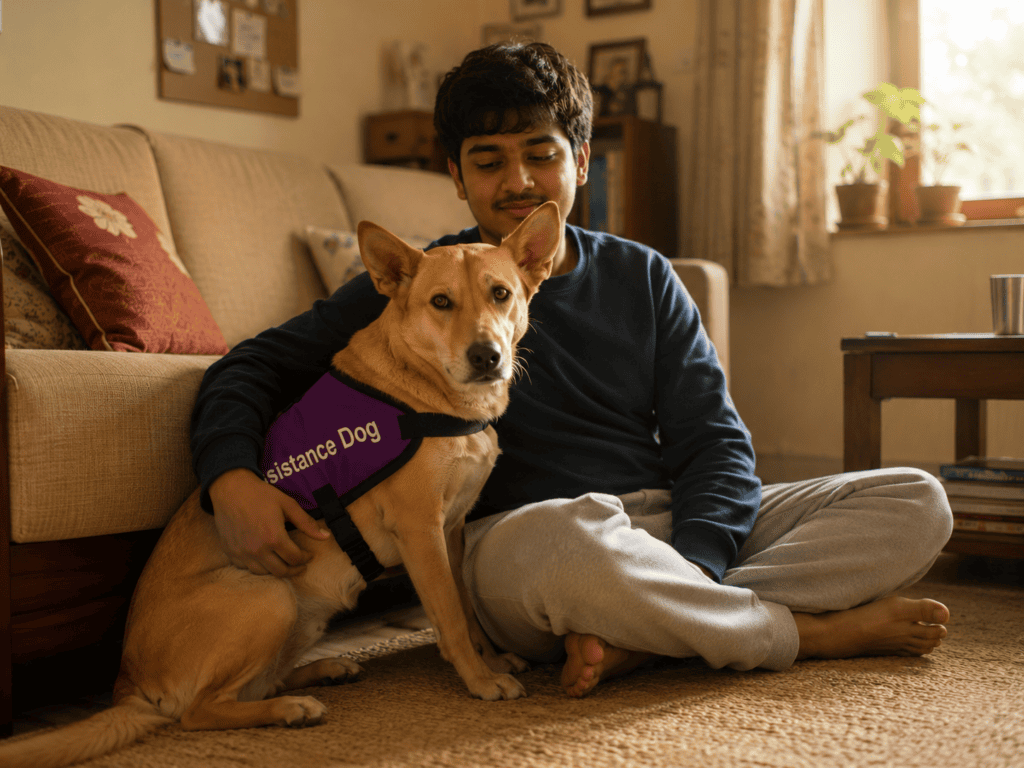
An autism assistance dog lives with the family, not visits it. HeartDogs explains the specific tasks it performs – and what changes for the whole family, not just the individual.
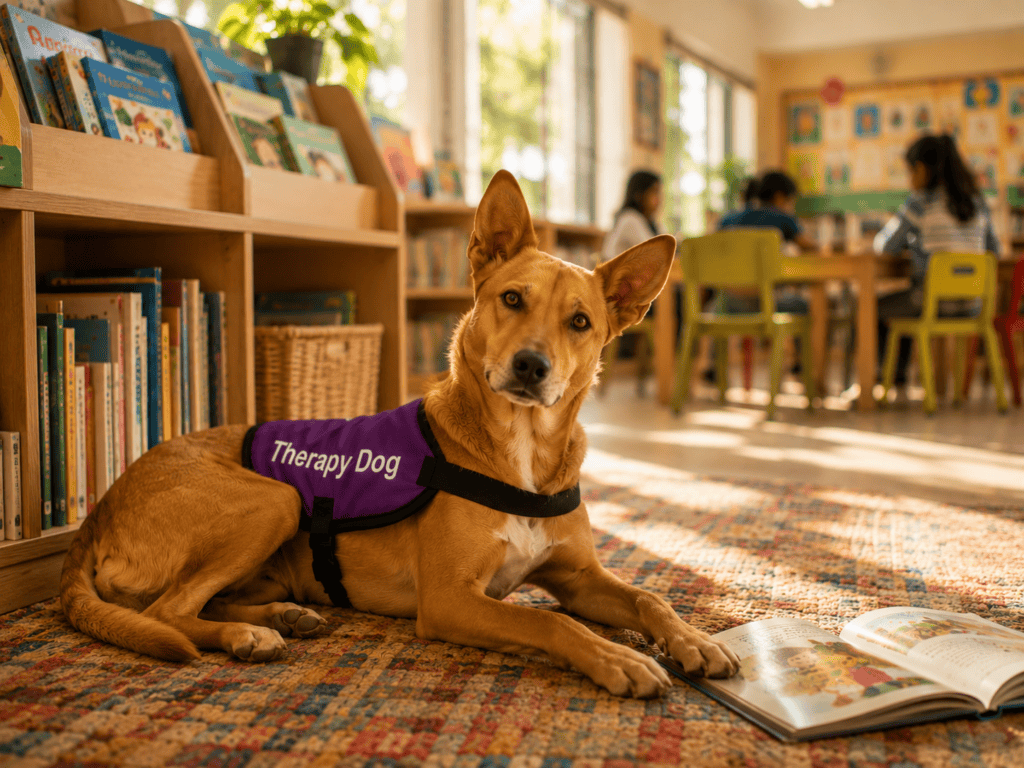
Reading to a calm, non-judgemental dog reduces anxiety and builds reading confidence. HeartDogs explains how reading-assistance programmes work and why India needs them.
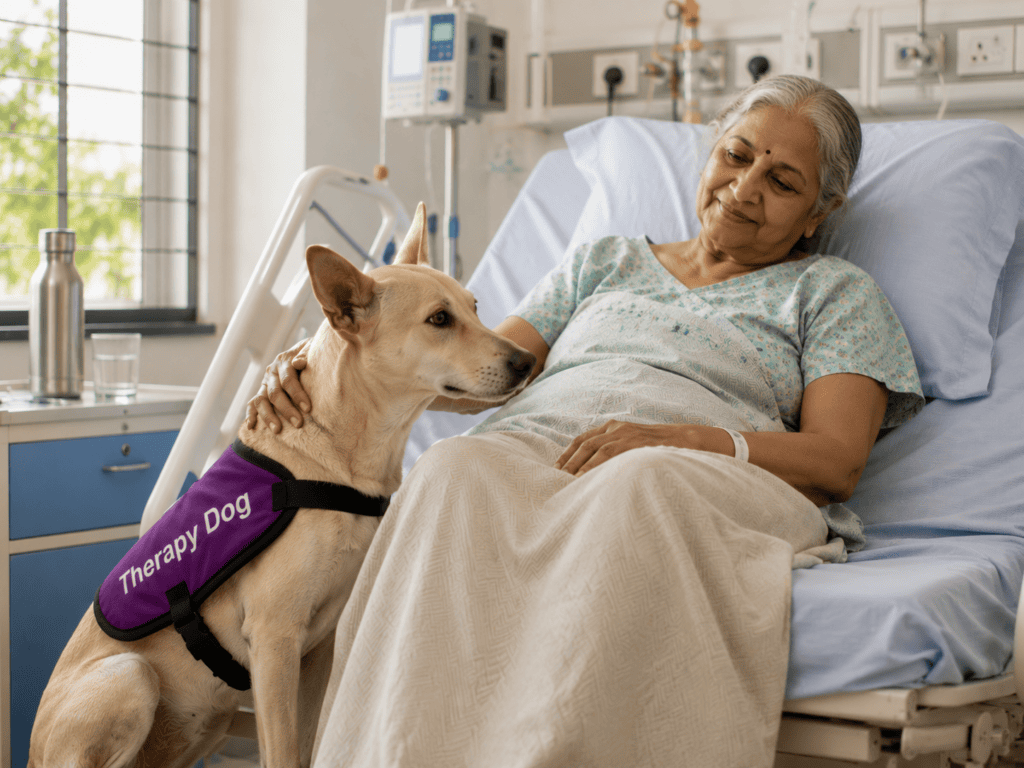
Hospitals abroad use therapy dogs regularly for patient wellbeing. HeartDogs explains what these programmes involve, what the evidence shows and what it would take to build one in India.
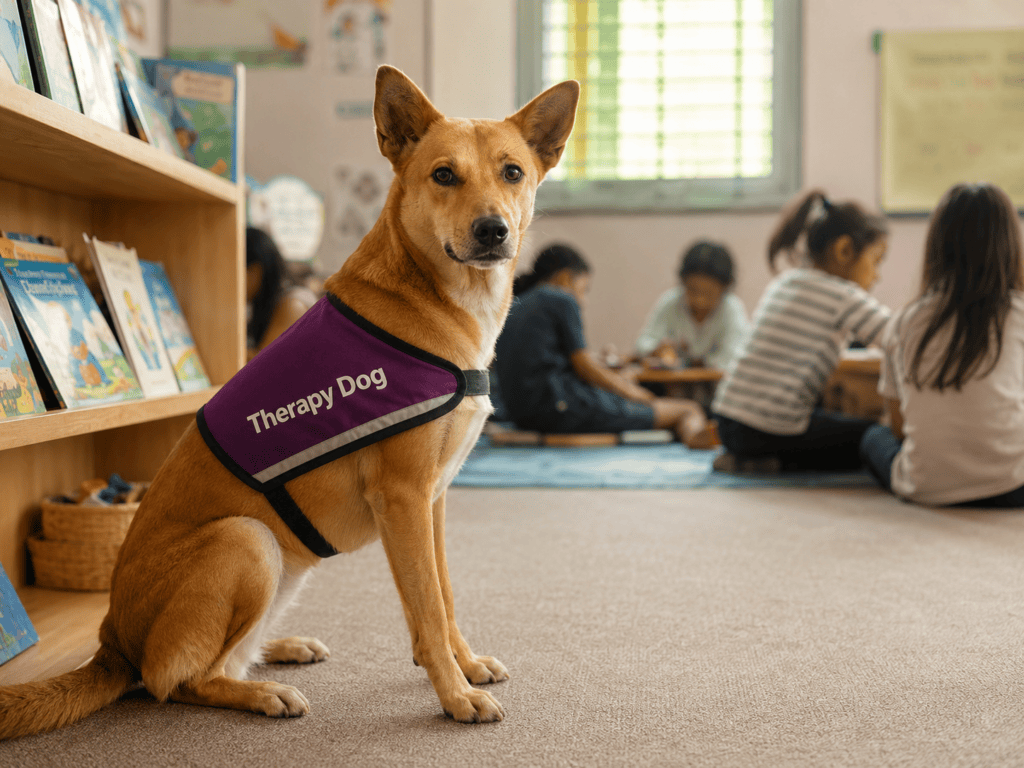
Research shows therapy dogs reduce anxiety, improve mood and support student wellbeing. HeartDogs explains what the evidence says and why it matters for Indian schools.
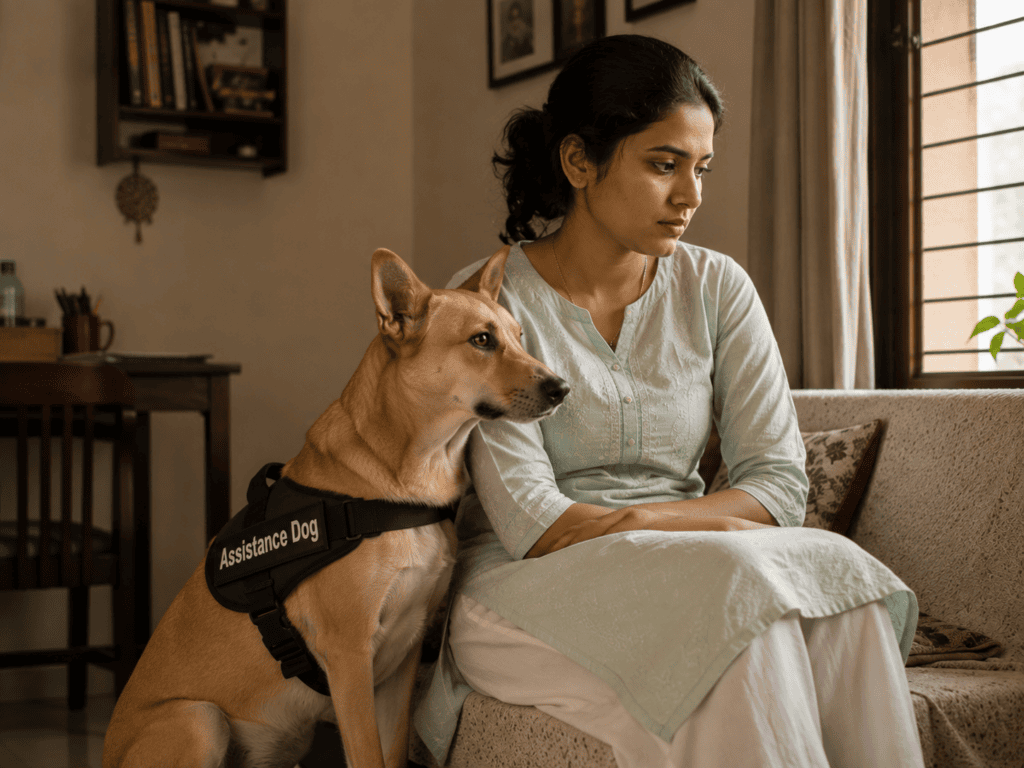
Many disabilities have no visible signs, yet are just as limiting. HeartDogs explains invisible disabilities in the Indian context and how assistance dogs help.
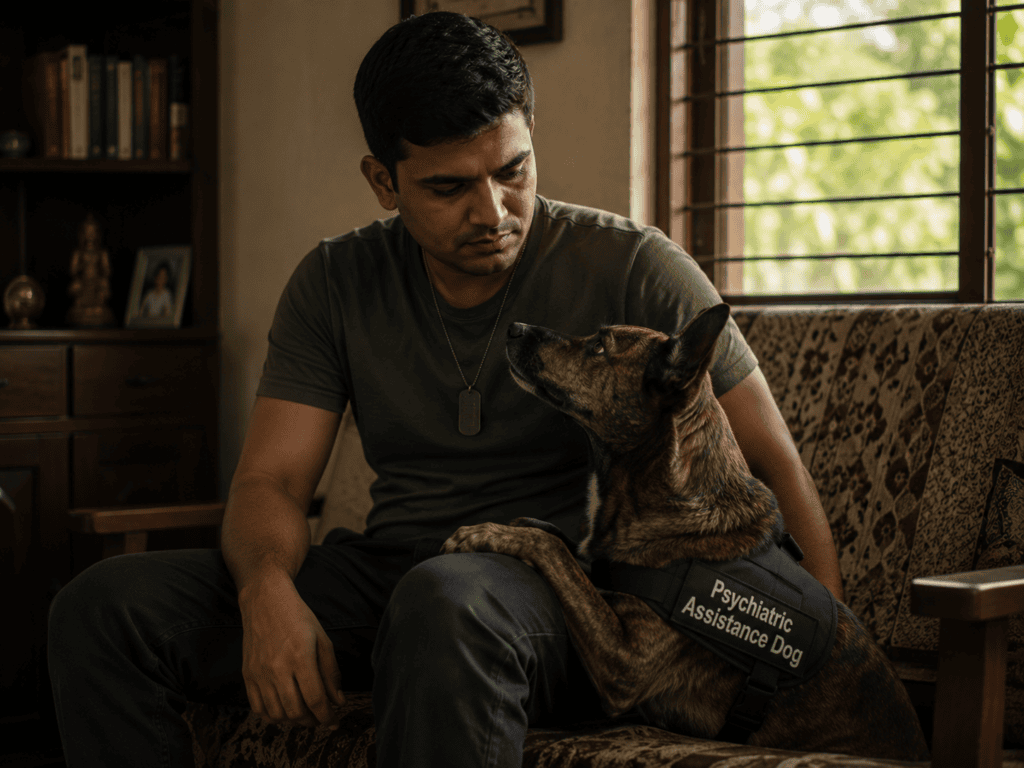
Psychiatric assistance dogs (service dogs) can support people living with PTSD, anxiety, depression and more. HeartDogs explains how, and why India needs more of them.
Developmental disabilities like autism affect how a person learns, communicates and interacts. HeartDogs explains the basics and how assistance dogs can help Indian families.