A few names you will actually come across
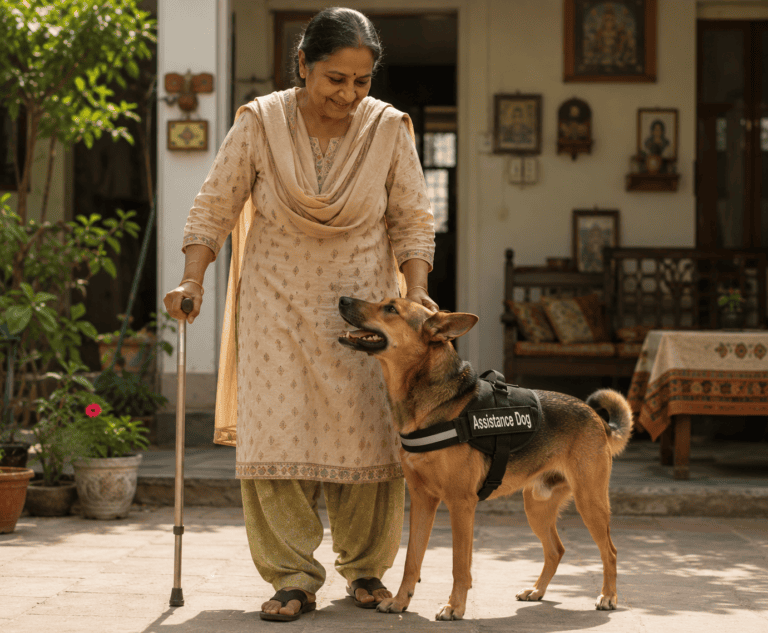
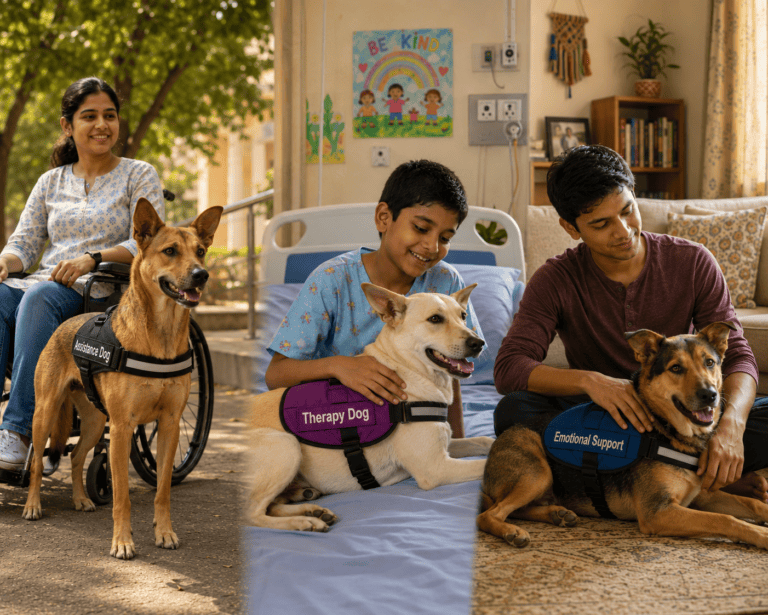
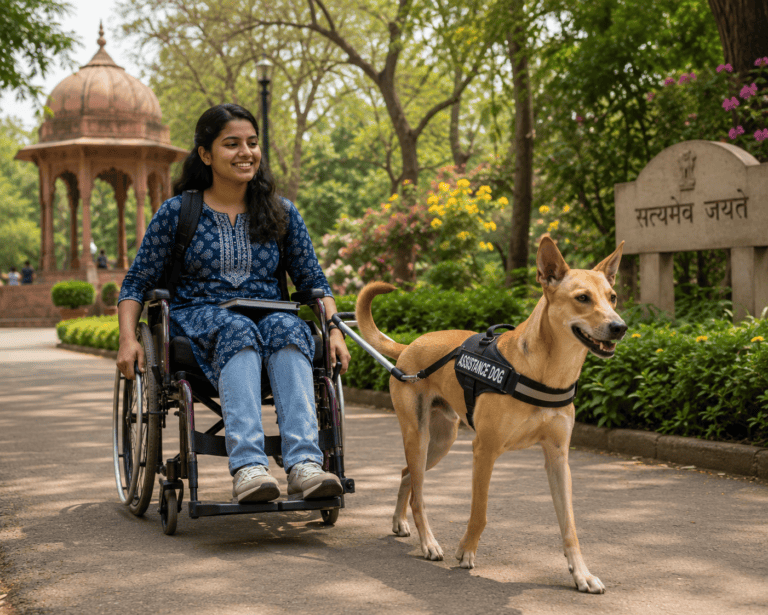
- Assistance dog. The broad term for a guide, hearing or service dog trained to perform disability-related tasks. This covers everything below it.
- Service dog. A type of assistance dog trained to perform tasks for people with disabilities other than blindness or deafness. In the US, the ADA uses the legal term "service animal" for qualifying dogs.
- Guide dog. A dog trained specifically to help a person who is blind or has low vision move safely through the world, avoiding obstacles and navigating routes.
- Hearing dog. A dog trained to alert a person who is deaf or hard of hearing to specific sounds, like a doorbell, an alarm or their name being called.
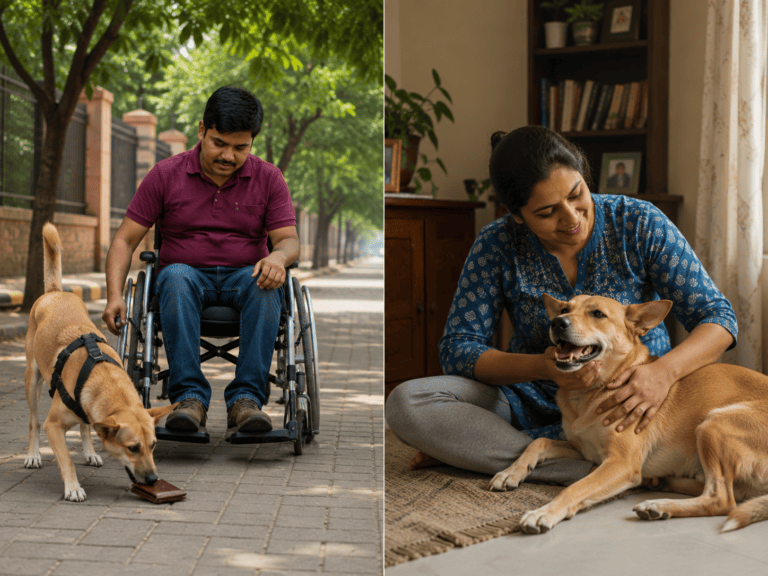
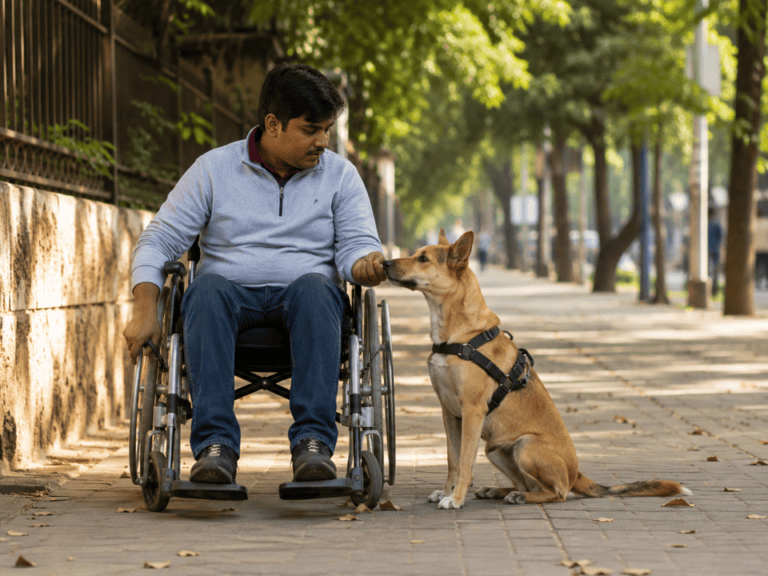
- Mobility assistance dog. A dog trained to help with physical tasks related to mobility, such as retrieving dropped items, opening doors, or providing balance support in specific, carefully trained ways.
- Psychiatric assistance dog. A dog trained to perform tasks that help manage the effects of a psychiatric disability, such as interrupting anxious behaviour or creating physical space in a crowd.
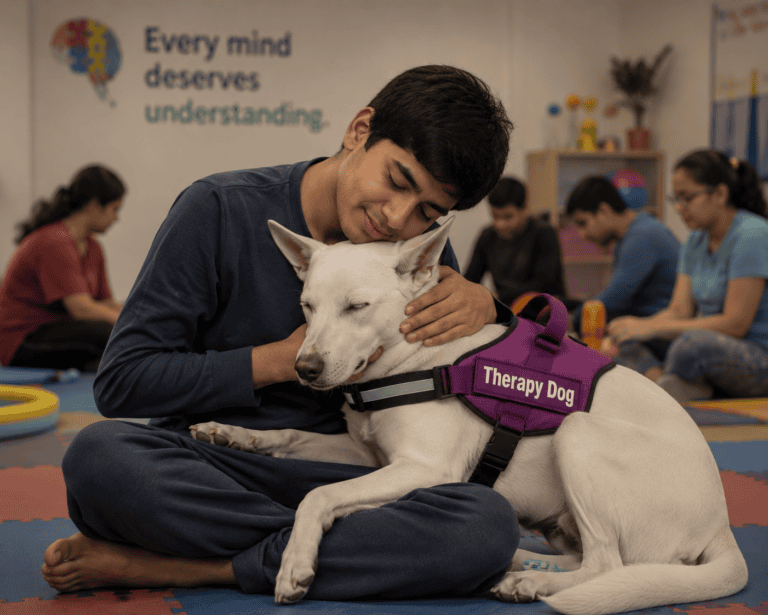
- Autism assistance dog. A dog trained to support a person on the autism spectrum, with tasks like interrupting repetitive behaviours, providing trained grounding or pressure-based support, or performing specific safety behaviours for children at risk of wandering.
All of these fall under the same broad category. The specific name simply tells you what the dog has actually been trained to do, and for whom.
Not every helpful dog is an assistance dog
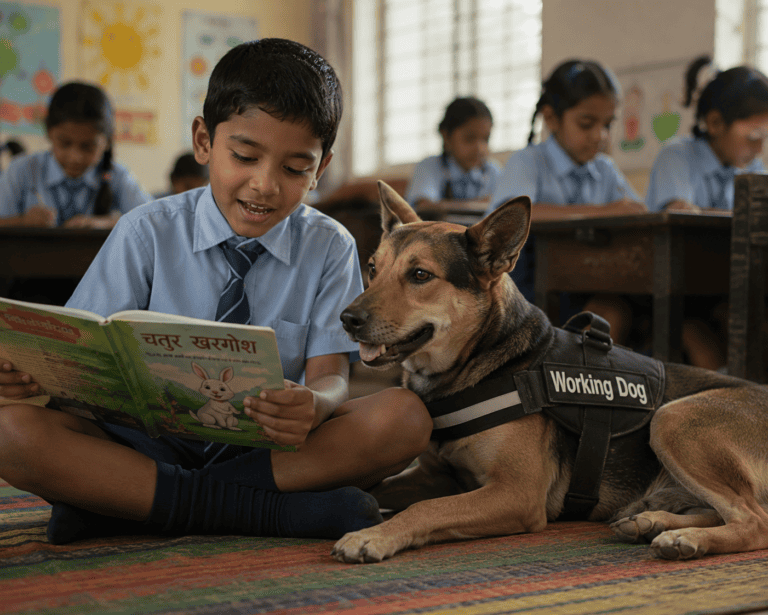
A therapy dog is trained to visit and comfort people in settings such as hospitals, schools or care facilities, working alongside its own handler rather than belonging to the person it is comforting. An emotional support animal offers comfort simply through its presence and companionship, without being trained to perform specific tasks. Both are genuinely valuable in their own right, but neither is the same thing as an assistance dog, and neither typically carries the same public access rights. We have written about this distinction in more detail elsewhere on this blog.
"What are they called" also applies to people, not just dogs
If you searched this question while also wondering how to refer to the person the dog helps, "person with a disability" is generally the safest, most widely accepted term, and it is worth asking the individual person what they prefer rather than assuming. Worth knowing too: some communities, including many autistic people and many Deaf people, tend to prefer identity-first language instead, such as "autistic person" or "Deaf person," over person-first phrasing. There is no single rule that applies to everyone, which is exactly why asking beats assuming. Language in this space changes and varies by country and community, and getting it exactly right matters less than being respectful and willing to be corrected.
Where we fit into this list
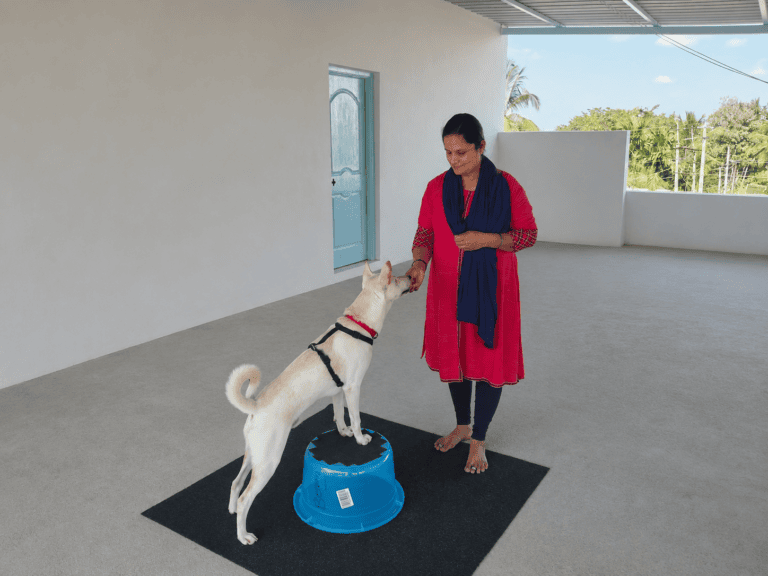
At HeartDogs, we are training rescued Indies toward several of these categories, including autism assistance, psychiatric assistance, and mobility support roles for older adults, alongside dogs heading toward therapy work rather than formal assistance roles. If any of these terms felt unfamiliar before reading this, that is completely normal in India specifically, where assistance dogs remain relatively uncommon and unfamiliar to much of the public. Part of why we write this blog is simply to make these terms, and the real distinctions behind them, a little less confusing for anyone encountering them for the first time.