One term is defined, the other is descriptive
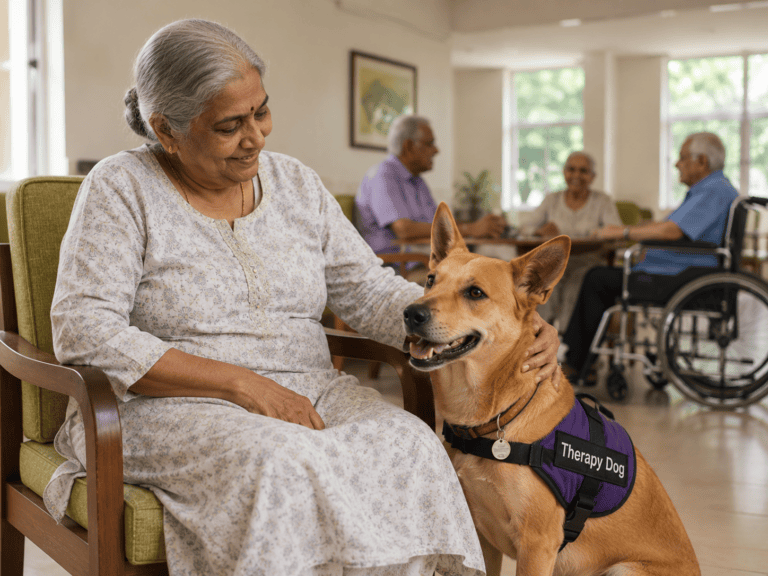
"Therapy dog" is a real, working category with actual standards behind it. Organisations that certify therapy dogs generally require an evaluation of temperament, basic obedience and comfort with being handled by strangers, and the dog then works in either group settings or one on one sessions, sometimes directed by a health professional as part of a formal treatment plan, and sometimes as a more informal, comforting visit. Either way, there is a real dog, a real handler, and typically some kind of evaluation behind the label.
"Therapeutic dog" is not a widely recognised category with its own distinct set of training standards or certification system. When people use the phrase, they usually mean a therapy dog, and are simply choosing a slightly different word for the same thing. Occasionally the phrase gets stretched further, to describe any dog, including someone's own pet, that has a noticeably positive effect on their mood or wellbeing. That is a real and valid experience to have with a dog, but it is a different claim from saying a dog is a trained, evaluated therapy dog.
American Animal Hospital Association, Therapy Dog Guidelines
The label affects what a dog can actually do
This distinction matters most when it comes to access and expectations. A trained and evaluated therapy dog may be brought into a hospital ward, a school reading programme or a care home when the relevant organisation or facility has approved the visit. Evaluation and registration can help establish that the dog is suitable for this work, but certification by itself does not create a general right of access. Calling a dog "therapeutic" because it happens to calm someone down at home does not carry the same standing, and it should not be used to suggest a dog has training or access it does not actually have.
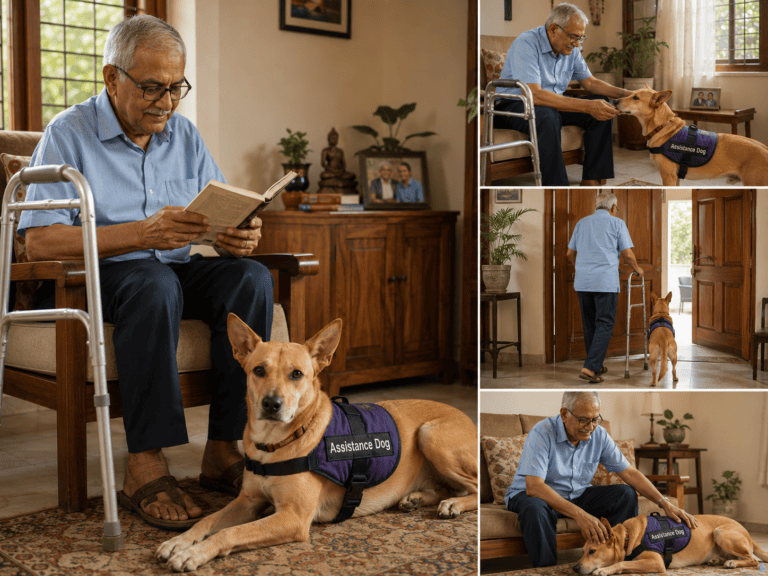
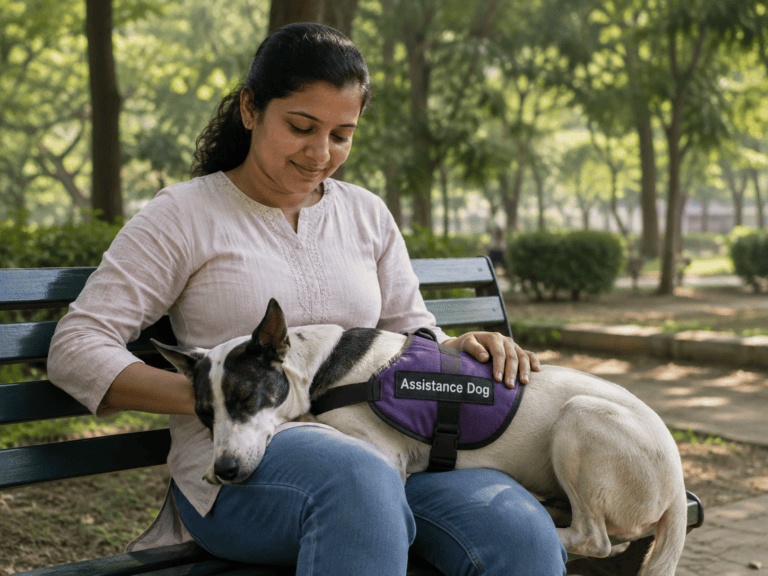
Neither term should be confused with an assistance dog either, which is trained to perform specific tasks for one individual with a disability and generally carries public access rights that therapy dogs do not. We have written about that distinction in more detail in earlier FootNotes pieces on what separates a structured therapy dog programme from a casual pet visit and on the difference between assistance dogs, therapy dogs and emotional support animals more broadly.
Why we stick to precise terms
We use "therapy dog" deliberately and specifically for the dogs in our programme heading toward that kind of work, rather than a softer, less defined phrase like "therapeutic dog." Part of taking this work seriously is using language precisely, so that when we say a dog is being trained for therapy work, that phrase actually means something specific, backed by real training and evaluation, rather than a comforting description that could apply to almost any well loved pet.