Visits and therapy sessions are not the same
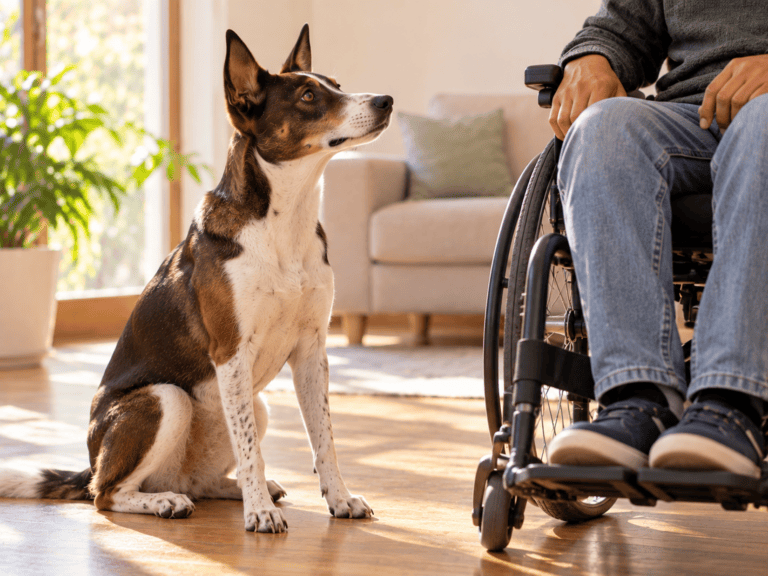
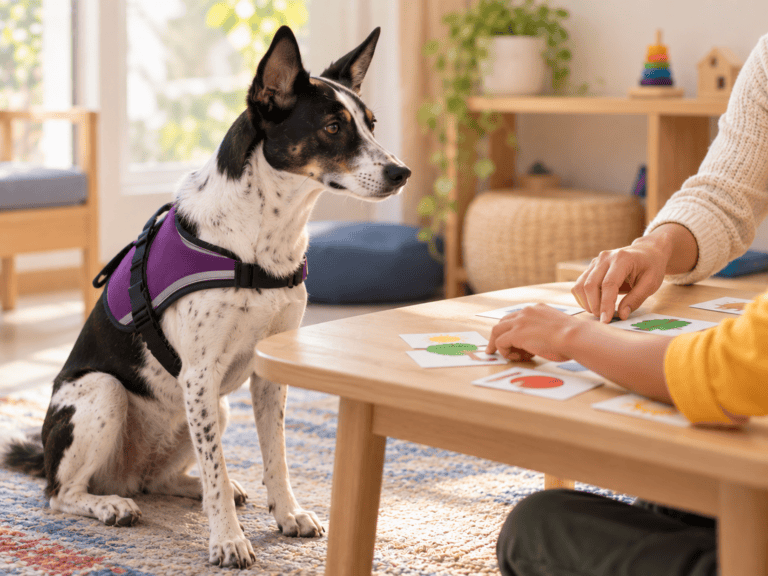
In some programmes, a trained dog and handler visit and prisoners can spend time with the dog. In others, a qualified therapist runs structured sessions in which the dog is part of the therapy, with goals for the people taking part. The first is closer to an activity visit and the second to therapy. We explain the difference in our posts on why a pet visit is not a therapy dog programme and facility dogs and therapy dogs. The studies below include both, and the difference matters when reading them.
Four studies and reports, and what they share
- A UK prison. Researchers at Cardiff Metropolitan University interviewed eight prisoners with complex mental health needs who were assessed as at risk of self-harm. Two dogs visited once a week for four weeks. The prisoners described a safe space for emotion, a chance to connect and a feeling of being human. One said, "I feel happier in myself with the dogs." The authors suggest that even short-term dog contact may be impactful.
- A Spanish prison. A study at Navalcarnero prison near Madrid interviewed 16 men with serious mental disorders after a two-month programme of weekly sessions. A trained therapy dog and professional therapists took part, as part of occupational therapy. Participants described positive feelings, bonding with the dog and feeling helped by the therapists. The authors point out that the therapists were also on the research team, so participants may have held back criticism, and that wellbeing was self-reported, with no objective measures.
- A Canadian psychiatric prison. A case study of three inmates followed a 24-session animal-assisted therapy programme, using session records and interviews with the inmates, their clinicians and the handlers. The inmates saw the dogs as offering "love and support". The authors say this helped them recognise their own feelings and had a positive effect on their conduct. With three participants, one institution and no follow-up, it is a case study and not a test of effectiveness.
- A Canadian medium-security prison. A 2023 perspective paper examined a therapy-dog programme at Drumheller Institution in Alberta. The authors drew on eight interviews and a focus group with prison staff who were familiar with the first five programme participants. Staff described prisoners being able to lower their guard and feel supported and valued. The authors note that the programme's facilitators conducted the interviews, which they disclose as a conflict of interest, that no standard before-and-after measures were used, and that the findings reflect staff views and not direct interviews with the prisoners.
The same themes keep appearing: a place where it feels safe to show emotion, connection, and being treated with warmth. Those are exactly the things prisonization works against, which is why the Canadian authors suggest dog interventions could be explored as a harm reduction approach. That is their proposal for further exploration, not an established finding.
Sources: Mercer et al., Journal of Forensic Practice (2022) | Qualitative study of prisoners with serious mental disorders, Navalcarnero prison, Spain | Dell et al., International Journal of Prisoner Health (2019) | Gibson et al., Frontiers in Psychiatry (2023)
What the larger reviews can and cannot tell us
A 2020 systematic review in Animals (Villafaina-Dominguez and colleagues) looked at 20 studies of dog-based interventions with prisoners. Thirteen reported statistically significant improvements in at least one measured outcome, such as emotional state, stress, empathy and self-control. But the studies varied in design and quality. Only about a quarter had a control group and only three were randomised trials. Many of the programmes involved prisoners training or caring for dogs, so the review does not tell us how much applies to visiting or therapy dogs on their own. The authors say better research is needed before firm recommendations.
You may also see figures about reoffending. These come from reviews of prison-based dog programmes, many of them programmes where prisoners train dogs. The UK College of Policing summarises them and says research suggests such programmes may be associated with reduced reoffending, though the evidence is limited and mixed. In one review, 68 per cent of comparison groups were reconvicted against 32 per cent of participants. Across the four studies that looked at reoffending, two found statistically significant reductions and two did not find a statistically significant effect. The College also notes that the studies were generally of low quality, that one review found signs of publication bias that may have inflated the result, and that most studies were from the US.
Prisoners and staff describe dogs helping people feel calmer, safer and less alone. The studies are small, mostly self-reported and mostly from outside India. They support careful evaluation, not promises about outcomes.
Sources: Villafaina-Dominguez et al., Animals (2020), systematic review | College of Policing, prison-based dog programmes
A dog is a participant too
The Canadian authors stress that the welfare of the therapy dogs is essential to any programme's success. A prison is a noisy, unpredictable place, and a dog that is unhappy or overworked cannot help anyone. In practice this means careful selection of dogs, limits on how long they work, rest, and a handler whose first job is to watch the dog.
What this means in India
We have not identified a prison-based dog programme in India, or national guidelines for dogs in correctional settings, and such programmes may not yet be widely available. Almost all of the research above comes from other countries, and the College of Policing itself advises caution when applying findings elsewhere. Prison conditions, mental health services and staffing differ widely, so results from a Spanish or Canadian prison cannot simply be assumed to carry over.
Where HeartDogs stands
HeartDogs does not currently run a prison-based programme, and nothing here is a claim about one. We are working towards training therapy and facility dogs for structured programmes in India. We wrote about this topic because people ask about it, and because the evidence so far argues for designing and evaluating such work carefully before anyone promises results.