Get clear on what you actually need
Start by being precise about the difference between an assistance dog, trained to perform specific, disability-related tasks for one person, a therapy dog, trained to visit and comfort people in group settings, and an emotional support animal, which provides comfort through its presence but is not trained to perform tasks. We covered this distinction in detail in an earlier FootNotes piece, and it matters here because it changes what kind of programme, if any, is actually the right fit for your situation. A dog that helps you emotionally simply by being present is a different, and in some ways much simpler, thing to bring into your life than a dog trained to perform specific tasks related to your disability.
Understand your needs and gather relevant documentation
Even without a national assistance dog accreditation system, a clear diagnosis and documentation relating to your disability and functional needs can be genuinely useful when speaking with healthcare professionals, potential assistance dog programmes, or institutions. It gives any organisation you approach a real basis to assess whether a dog could help and what kind of tasks might be relevant. Depending on the situation, this kind of documentation may also be useful in conversations with employers, institutions or service providers later, even in the absence of a single unified law covering every setting.
Research the very small number of organisations actually doing this in India
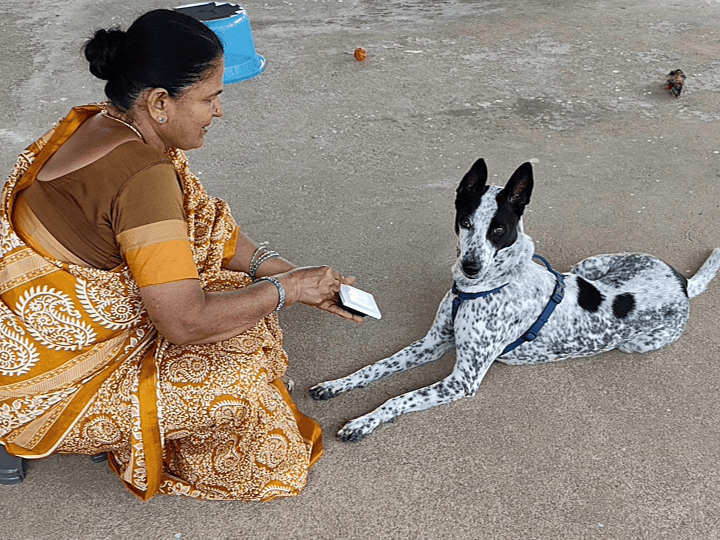
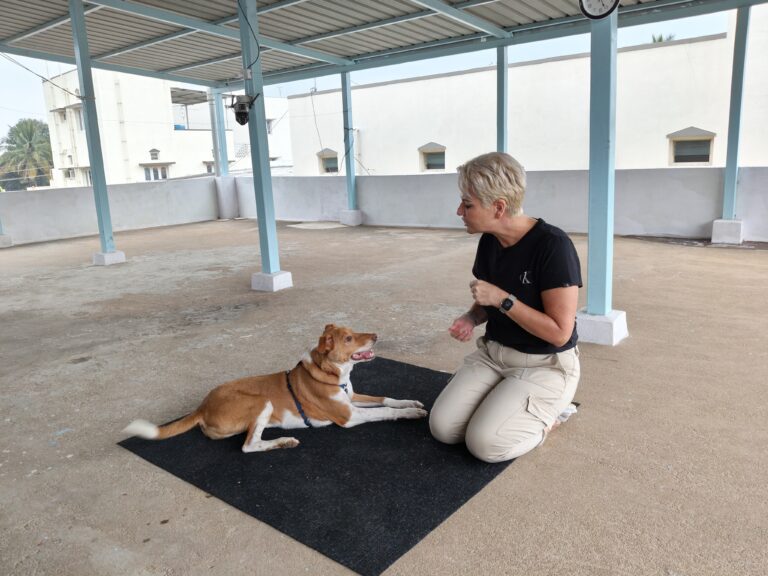
This is the step where the gap in India is most obvious. Unlike countries with established networks of accredited assistance dog organisations, the number of organisations publicly working in this space in India today appears limited, and most are young, still building their own training methodologies and track records rather than operating from decades of established practice. HeartDogs is building what we believe to be India's first systematic programme training rescued Indian street dogs, commonly called Indies, as assistance and therapy dogs at scale, rather than as occasional, one off placements. We are currently training our first cohort of dogs and are not yet at the stage of placing dogs with handlers. Being upfront about that is important: whichever organisation you approach in India today, ask directly how many dogs they have successfully placed, what their training methodology looks like, and what ongoing support they offer after placement, rather than assuming a polished process exists just because a website looks professional.
Consider whether an overseas programme is realistically accessible
Some people in India consider approaching established, accredited assistance dog organisations overseas, in countries like the US or UK. Before treating this as a straightforward option, it is worth checking two separate things: whether an overseas programme is actually willing and able to place a dog with someone living outside its own country, since many are not set up for this at all, and separately, what India's own current import requirements look like for bringing a dog into the country, since these rules involve specific documentation, health certification and inspection procedures that can change over time and are worth verifying directly with the relevant government authority rather than assumed. Even where import is possible, the practical realities are worth weighing honestly: international travel, veterinary care suited to a dog raised in a different climate, and the challenge of a placing organisation being unable to easily visit and support you in India afterward are all real considerations, not small print.
Look into owner training with a qualified professional
In several countries, including the US, training your own dog with the help of a qualified professional trainer is a fully legitimate path, not a lesser one. For some families in India, owner training with experienced, force free professional support may be worth considering too, particularly where a suitable dog and an experienced trainer are both genuinely available. It demands a serious, sustained time commitment, often many months of consistent work, and families considering this route should be especially careful about which tasks are genuinely achievable and which require more specialised expertise than a general trainer can offer.
Plan for a wait, and for real costs
Because this field is still so young in India, realistic timelines are longer and less predictable than in countries with established systems. Costs are a topic significant enough that we have covered it separately in another FootNotes piece, but the short version is that a genuinely well trained assistance dog represents substantial investment in careful selection, health screening, socialisation and structured training, and that cost does not disappear just because a formal Indian pricing structure does not yet exist.
Understand your practical rights before you need them
We have written elsewhere about what Indian law does and does not currently guarantee for assistance dog access on flights, trains and in public spaces. It is worth reading that before you need it in the moment, rather than discovering the gaps in an airport or a restaurant. Knowing where the law is settled, and where it genuinely is not yet, puts you in a much stronger position to advocate for yourself calmly rather than being caught off guard.
Where we fit into this today, honestly
We are building toward being a genuine option on this list, not pretending we already are one. Cohort 1 is still in training, and we do not yet have placements to offer, which is exactly why we think guides like this one matter: someone in India looking for an assistance dog today deserves an honest map of a genuinely difficult, still developing landscape, not a falsely reassuring picture of an established system that does not yet exist.
If you want to stay informed as our own placements move closer, following our updates is the most honest thing we can offer right now. We would rather build trust slowly and accurately than promise something before we can actually deliver it.