What it costs to import a trained assistance dog
The cost of breeding, raising and training an assistance dog overseas often runs into tens of lakhs of rupees. Established organisations in the US, UK and Australia rarely charge recipients this full amount directly, since fundraising and donations typically cover most of the training cost. But if an Indian family were to independently obtain a trained dog from abroad, the combined cost of training, transport, import procedures, quarantine and related expenses would be prohibitive for almost any household.
Many of these overseas organisations also have long waitlists, sometimes years long, even for families within their own country who qualify for a dog at little or no direct cost.
On top of the upfront cost and logistics, an imported dog may also require veterinary care and management for a breed that was not developed for India's climate, diet or environment, adding further expense over the dog's working life. For the vast majority of Indian families who could benefit from an assistance dog, this route simply isn't realistic.
Why training is genuinely expensive
Training an assistance dog is genuinely expensive work, regardless of country. It involves specialised trainers, months of structured training, veterinary care, housing and ongoing assessment. Those costs reflect the infrastructure needed to breed, raise, train and support assistance dogs to a consistently high standard.
India doesn't have to replicate that same cost structure, because it doesn't have to replicate the same model.
What a different model could look like
Local dogs instead of imported breeds
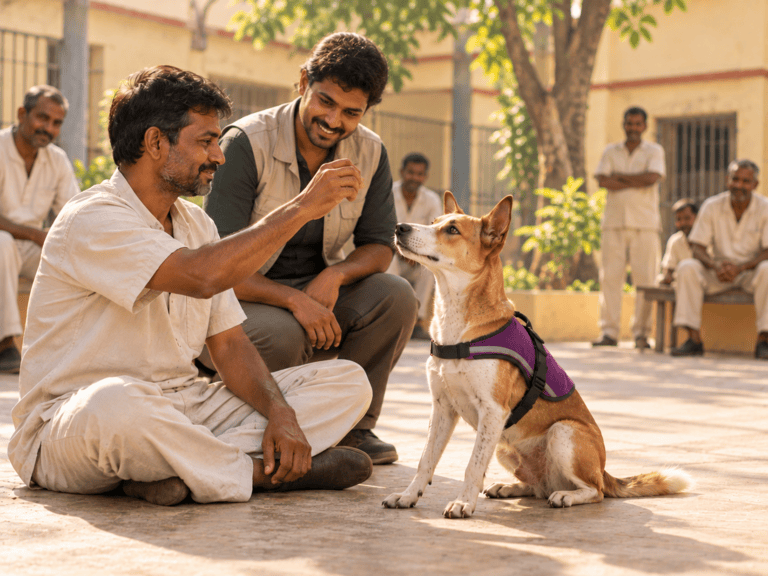
Indies, India's native landrace dogs, don't need to be purchased, imported or specially bred. They're already here, already adapted to Indian conditions, and available through rescue. Generations of surviving independently on Indian streets have also shaped Indies into dogs that are naturally alert, intelligent and resilient, with fewer breed-specific health issues than many pedigree dogs. This makes them well suited to the kind of steady, adaptable temperament that assistance work requires.
Training in homes instead of kennels
Training a dog in a real home, rather than building and maintaining a kennel facility, significantly reduces the overhead built into most assistance dog programmes. It also helps with the work itself - assistance dogs ultimately live in homes, not kennels, so learning household routines from the beginning can make the eventual transition to a recipient's home smoother.
Women in rural India working as foster-trainers
Women in rural India trained as foster-trainers do the daily hands-on work, supported by structured guidance and ongoing assessment from professional trainers. This keeps quality consistent, reduces the day-to-day cost of training, and creates real, paid livelihoods in the communities where the dogs are raised.
None of this makes assistance dog training cheap or quick. India also has very few experienced assistance dog trainers, and retaining skilled professional trainers over the long duration this work requires is itself expensive, given how scarce that expertise still is. But the model does make the eventual cost to a family fundamentally different from importing a dog from abroad.
Who actually pays, in a model like this?
In most credible assistance dog programmes worldwide, the family receiving the dog rarely pays the full cost of training. The training itself is funded through donations, grants and philanthropic support, with the family typically covering only the dog's ongoing care once placed, such as food, routine veterinary care and everyday living expenses. In other words, the family cares for the dog as they would any other working companion, while the cost of specialised training is supported through philanthropy.
This is the direction HeartDogs is building toward - training funded through fundraising and philanthropic support, so the dog itself doesn't carry a price tag that puts it out of reach for the family that needs it.
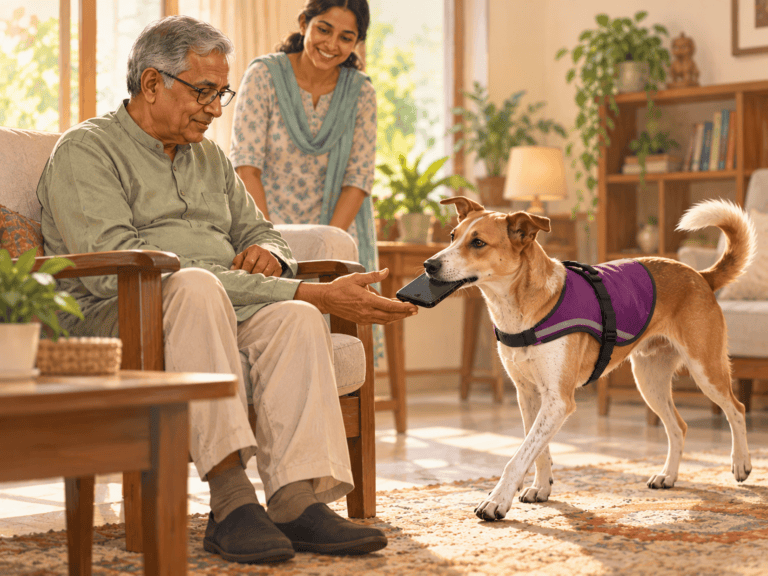
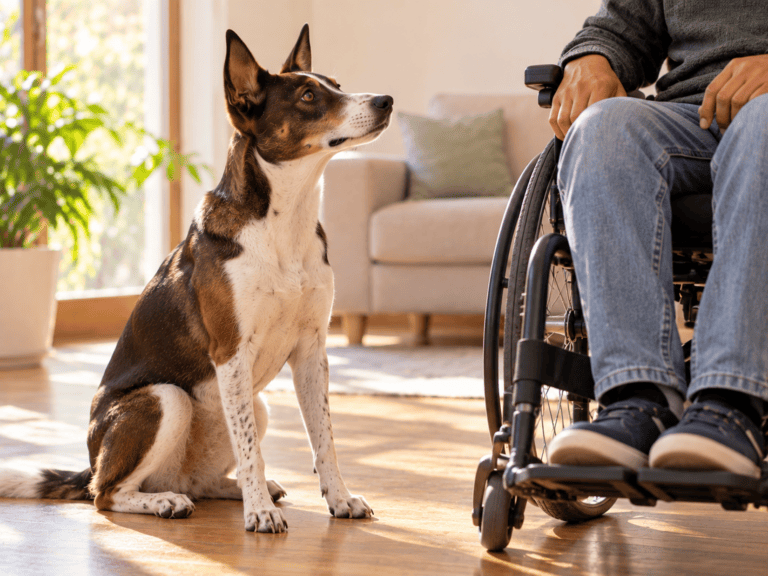
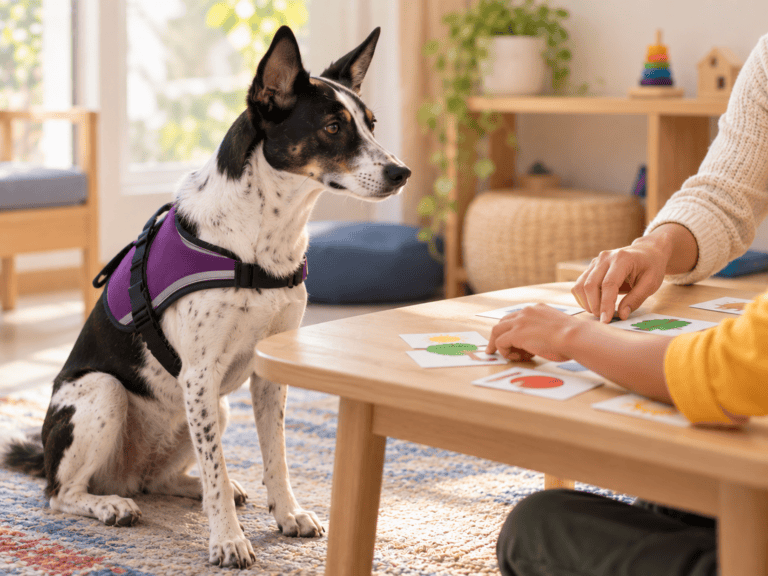
For many people with disabilities, an assistance dog can increase independence, reduce reliance on caregivers and improve participation in education, employment and daily life. Supporting the training of assistance dogs creates benefits that extend well beyond the individual recipient, to families, caregivers and the wider community.
What we are doing about it
HeartDogs is developing an assistance dog programme designed for Indian conditions. By working with Indies - India's native landrace dogs - training them in real homes, and partnering with women from rural communities as paid foster-trainers under professional guidance, the aim is to make assistance dogs more accessible to the families who need them.
No family should miss out on the benefits of an assistance dog simply because it is financially out of reach. Building an Indian model that is effective, ethical and financially sustainable is one step towards changing that.