Comfort, presence, and trained task work are not the same thing
- An emotional support animal helps simply through its presence and companionship. It is not trained to perform specific tasks related to anxiety, and its legal status and public access rights differ by jurisdiction, generally not matching those granted to trained assistance dogs in countries with formal service dog legislation.
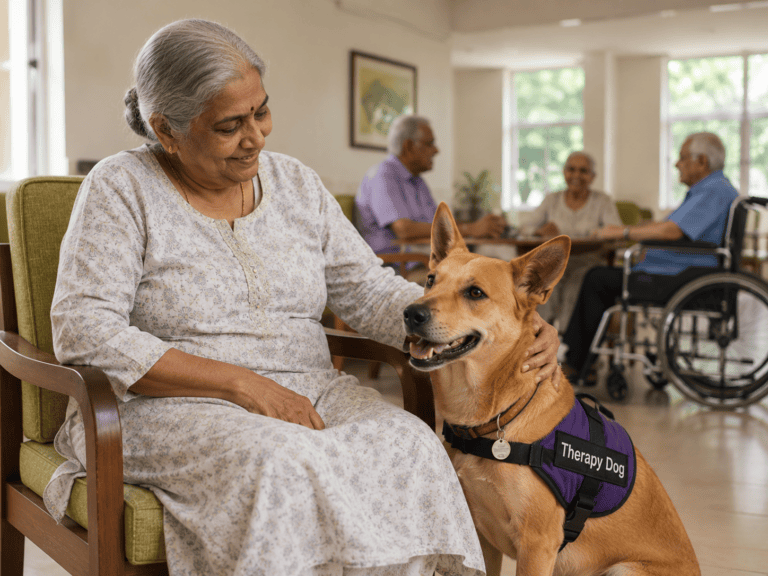
- A therapy dog is trained to visit and comfort people in group or clinical settings, working alongside its own handler rather than belonging to the person receiving support. It is not trained around one individual's specific anxiety symptoms.
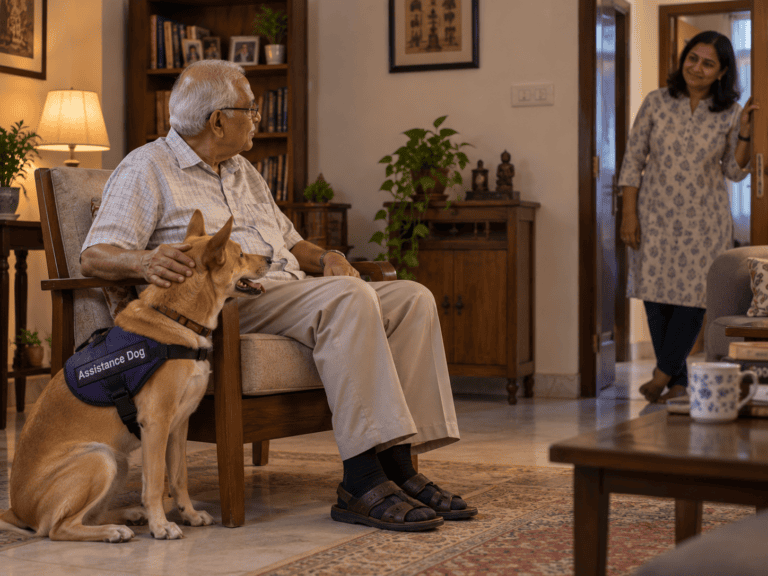
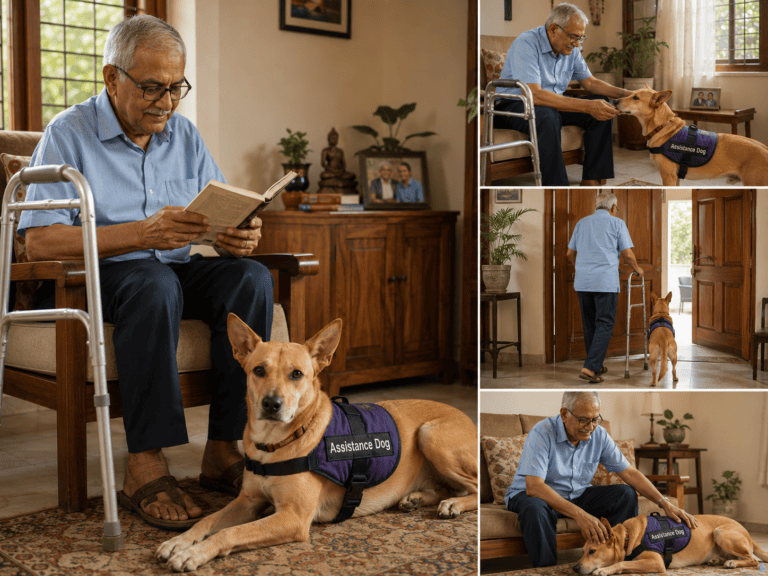
- A psychiatric assistance dog is trained to perform specific, learned tasks that directly mitigate the effects of a person's disability, rather than simply providing comfort through its presence. This is the category designed to provide the kind of task-based support many people picture when they search for "an assistance dog for anxiety."
Only the third category involves task training aimed specifically at anxiety. The other two can still be genuinely comforting, but comfort and trained task work are different things, and it is worth being honest with yourself about which one you actually need.
Real, specific tasks, not just being nearby
The International Association of Assistance Dog Partners publishes a list of tasks that dogs can be trained to perform for people with panic disorder, PTSD or depression, conditions that commonly involve significant anxiety. A few examples give a sense of what genuine task training looks like:
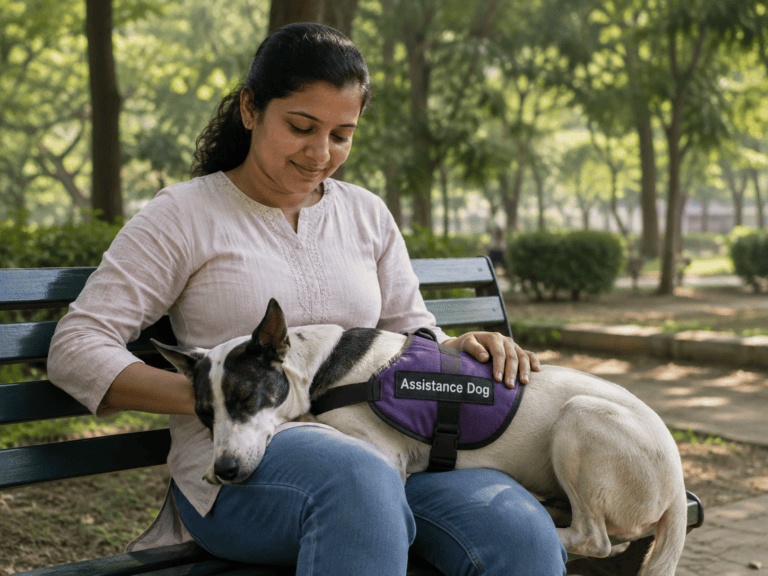
- Deep pressure therapy. The dog applies firm, sustained pressure by lying across the person's lap or chest during a panic episode, which may help some people manage symptoms in the moment.
- Interrupting anxious behaviour. The dog can be trained to respond to specific observable behaviours or individually identified cues associated with escalating distress, such as pacing or repetitive movements, by nudging, pawing or performing another trained interruption.
- Creating space in crowds. The dog positions its body between the handler and other people in a crowded space, reducing the sense of being closed in.
- Leading to a known location. The dog can be trained to lead the handler to a known exit or another previously trained location when the person needs to leave an overwhelming environment.
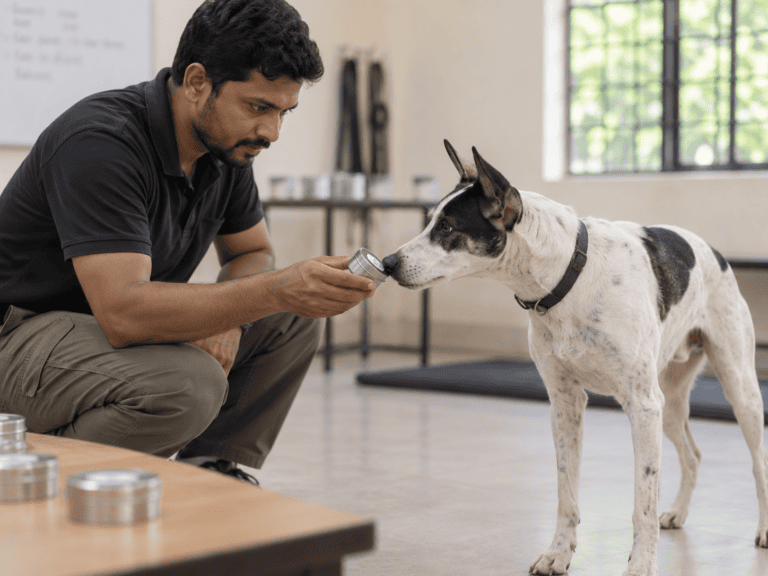
These are learned behaviours, built through months of deliberate training, not something any friendly dog does instinctively. That distinction is exactly what separates a psychiatric assistance dog from a comforting pet.
IAADP, Tasks for Service Dogs for Persons With a Psychiatric Disability
Strongest evidence is for PTSD specifically, not anxiety in general
Here is where honesty matters most. Most of the rigorous research on psychiatric assistance dogs and anxiety-related tasks has actually been done with military veterans living with PTSD, not with anxiety disorders more broadly. A 2020 study of 217 post-9/11 veterans, comparing those with a service dog to those still on a waiting list, found that trained tasks involving calming or comforting anxiety and interrupting or alerting to anxiety were among the most important, most frequently used and most helpful tasks reported by veterans, and that these tasks were especially helpful for hypervigilance and intrusive thoughts. Interestingly, the same study found that veterans often rated the dog's untrained, everyday behaviours as just as important to them as the specifically trained tasks.
This matters for anxiety specifically because PTSD and generalised anxiety, social anxiety or panic disorder are related but genuinely different conditions, and a finding in one group does not automatically transfer to another. There is real, credible evidence that trained tasks can meaningfully help people whose anxiety comes from PTSD. The evidence base for psychiatric assistance dogs helping people with anxiety disorders that are not connected to PTSD is thinner, not because it clearly does not work, but because the rigorous research specifically on that population is still limited.
Purdue University, 2020 PTSD Service Dog Study · American Psychiatric Association
A dog is not a replacement for treatment
A psychiatric assistance dog is generally described, including by the researchers studying them, as a complementary support alongside appropriate clinical care, rather than a substitute for established treatment. Depending on the individual, that care may include psychotherapy, medication or other evidence-based approaches. Anxiety disorders are treatable conditions with established clinical approaches, and a dog's tasks are designed to help someone manage symptoms day to day, not to treat the underlying condition itself. Anyone considering this path is better served talking to a mental health professional first about whether a trained dog's tasks would genuinely complement their treatment plan, rather than starting with the dog.
Where this fits into our own work
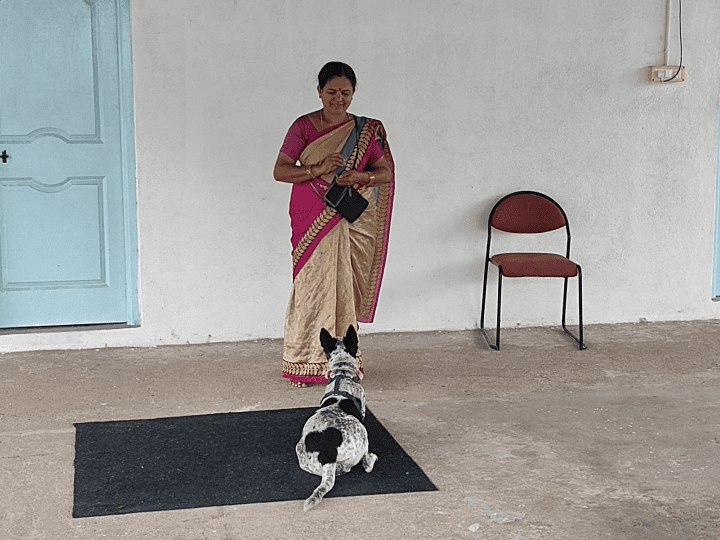
Psychiatric assistance work, including tasks relevant to anxiety, is one of the directions some of our Cohort 1 dogs are training toward, alongside autism support and mobility work. We take the same approach here that we try to take everywhere else on this blog: being precise about what a trained task can realistically do, rather than implying that any calm, friendly dog will automatically help someone manage a diagnosed anxiety condition. The dogs capable of this kind of work are trained specifically and carefully for it, and that training is the entire point.