What does an assistance dog actually do?
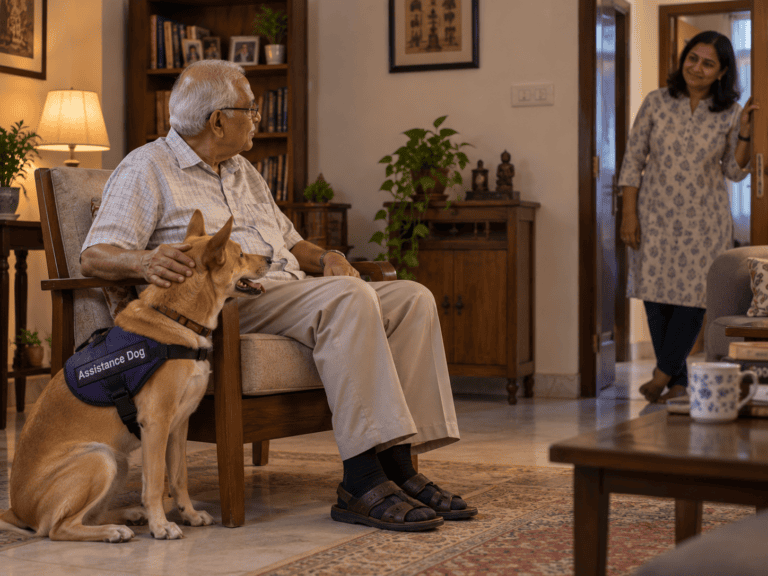
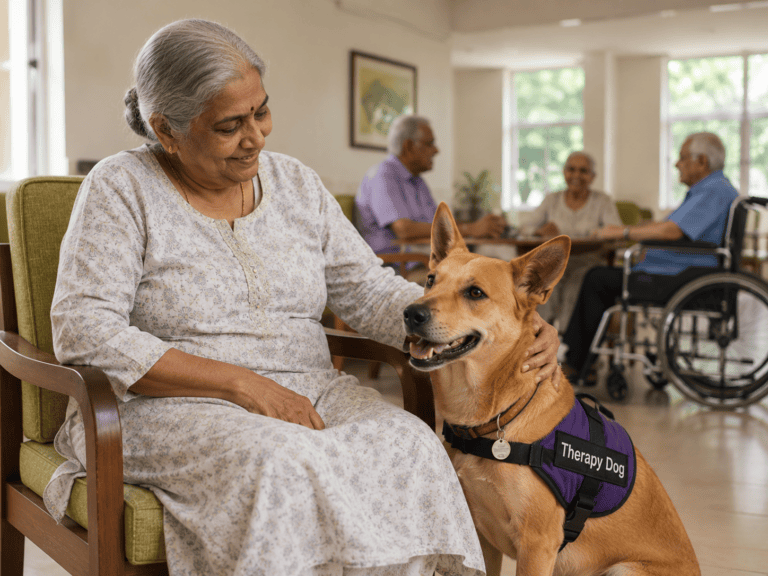
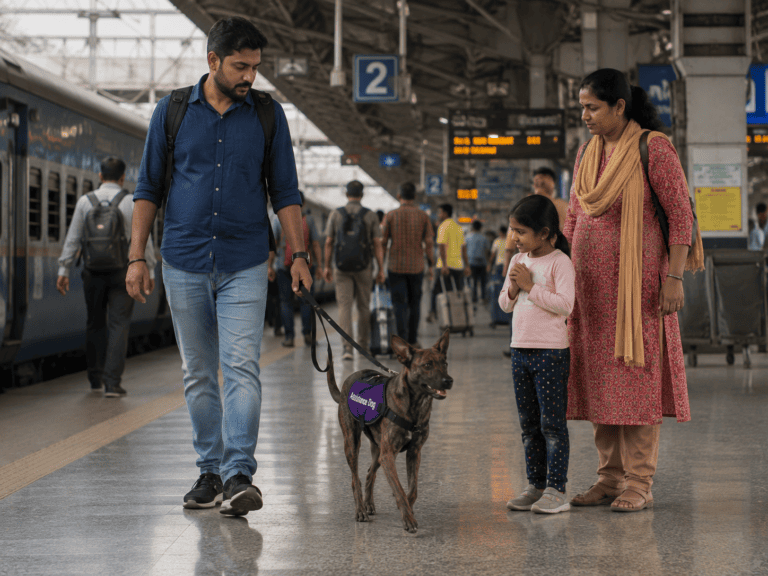
An assistance dog is individually trained to perform specific tasks that reduce the impact of a person's disability. Unlike a pet dog or an emotional support animal, an assistance dog carries out trained tasks directly related to its handler's needs.
The exact tasks vary from person to person. A dog may retrieve dropped items, alert its handler to important sounds, provide mobility support, interrupt harmful behaviours or respond during a medical emergency.
People with visual impairment
Guide dogs help people who are blind or have low vision move safely through their environment. They navigate around obstacles, avoid hazards, locate doors, stairs and crossings, and help their handler travel with greater confidence.
People with hearing impairment
Hearing dogs alert their handler to important everyday sounds such as doorbells, alarms, mobile phone notifications or someone calling their name. They then guide the handler towards the source of the sound or indicate that attention is needed.
People with physical disabilities
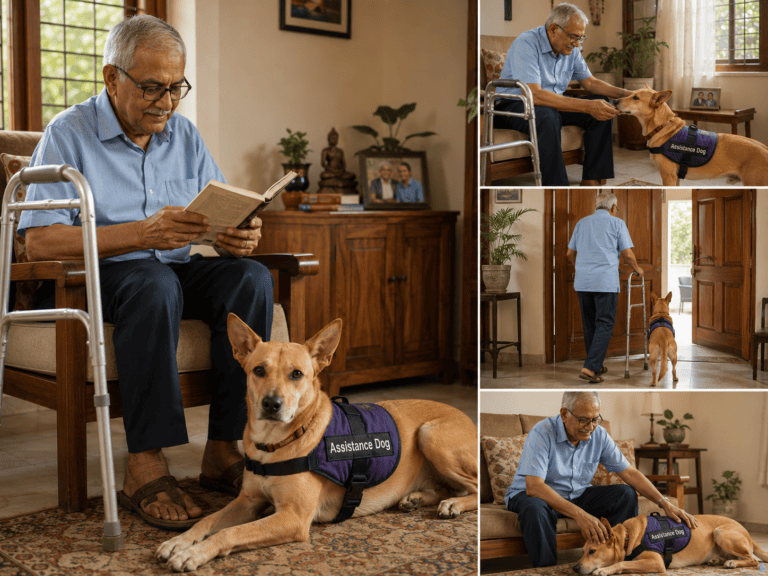
Mobility assistance dogs can support people living with spinal cord injuries, cerebral palsy, muscular dystrophy, multiple sclerosis, limb loss and other mobility challenges. Depending on individual needs, they may be trained to:
- Pick up dropped objects
- Open and close doors
- Retrieve medication
- Operate switches
- Assist with everyday routines
These seemingly small tasks often make a significant difference to a person's independence.
Autistic individuals
Some autistic individuals benefit from assistance dogs that provide structure, safety and support during everyday life. Depending on the person's needs, the dog may help prevent wandering, interrupt repetitive or harmful behaviours, provide calming deep pressure during periods of distress, or support transitions into unfamiliar environments.
People with psychiatric disabilities
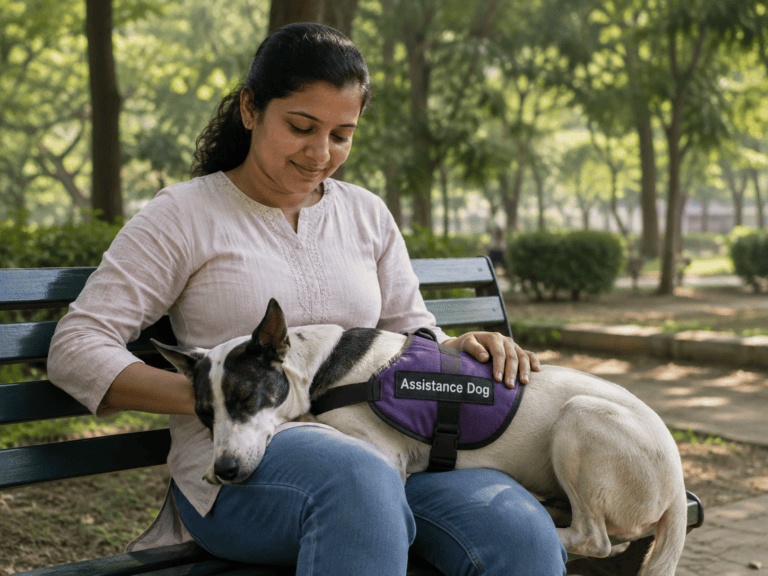
Psychiatric assistance dogs are trained for people whose mental health condition substantially affects daily life. This may include PTSD, severe anxiety disorders, major depressive disorder or obsessive compulsive disorder. Tasks may include interrupting panic attacks, reminding the handler to take medication, creating space in crowded places, or waking someone from recurring nightmares.
People with medical conditions
Medical alert and medical response dogs may assist people living with conditions such as diabetes, epilepsy and certain cardiac conditions. Depending on their training, they may detect changes before symptoms become obvious, retrieve emergency medication, alert family members or seek help during an emergency.
An assistance dog isn't a universal solution
An assistance dog is one part of a broader support system, not a solution for every situation. Before placing a dog, responsible organisations assess the person's daily needs, home environment, ability to care for the dog, family support and long-term commitment. The goal is to ensure that both the handler and the dog can succeed together.
The gap in India
India has millions of people living with disabilities, yet professionally trained assistance dogs remain extremely rare. Many people continue to depend entirely on family members for tasks that an assistance dog could help with.
Building an assistance dog ecosystem in India requires much more than training dogs. It also needs public awareness, professional trainers, veterinary support, accessible spaces, legal recognition and partnerships with healthcare and disability organisations.
What we are doing about it
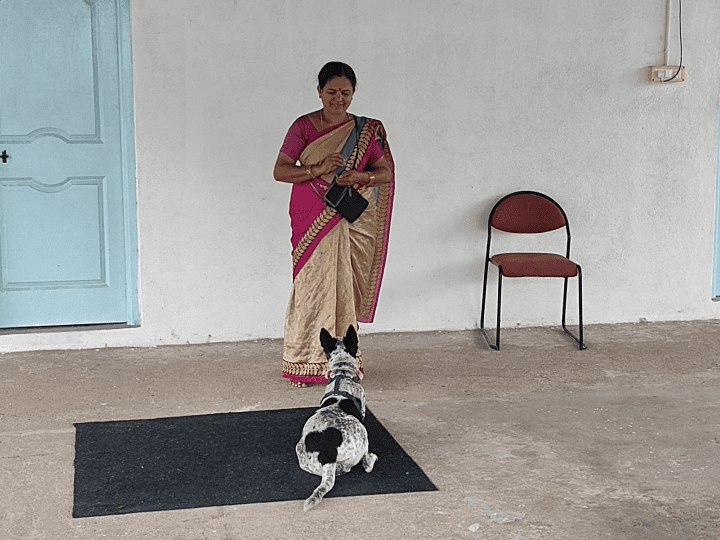
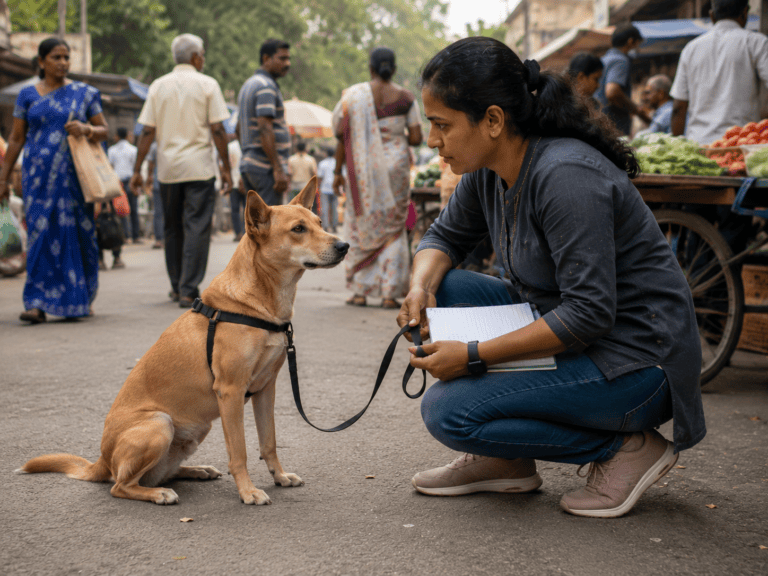
HeartDogs is building India's first structured assistance dog programme using Indies - India's native landrace dogs. Each dog is carefully assessed and trained for a specific type of disability support, based on its temperament, abilities and the needs of its future handler.
Rather than using kennels, our dogs are trained in real homes in rural Karnataka by women working as paid foster-trainers. This prepares dogs for everyday family life while also creating meaningful livelihoods for women in the community.