So what exactly is a therapy dog?
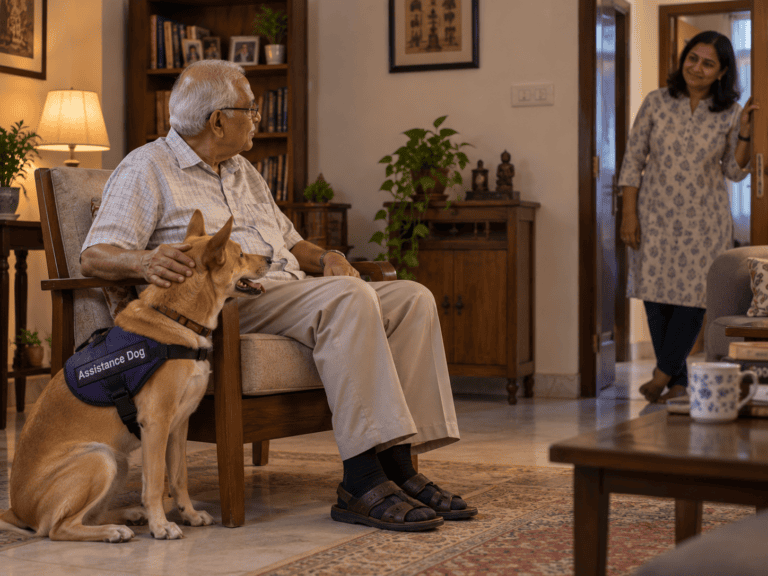
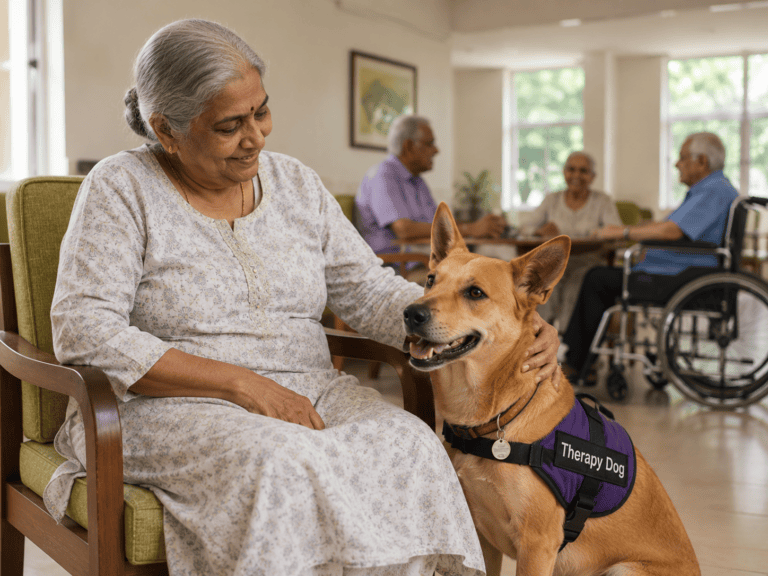
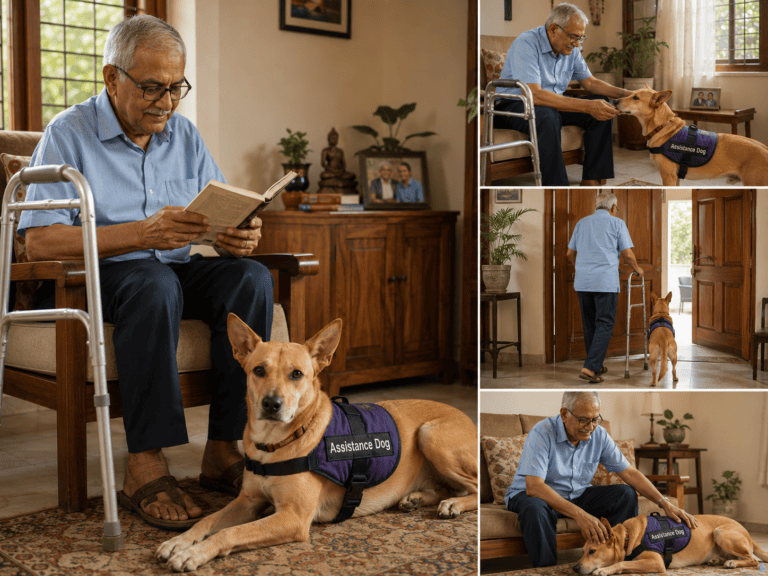
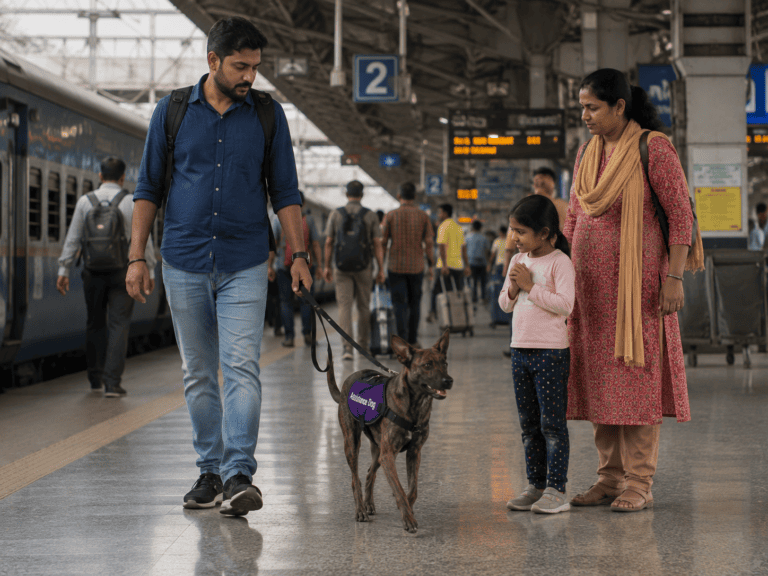
A therapy dog is a dog trained to provide comfort and emotional support to people other than its own family, usually in a group or institutional setting. Unlike an assistance dog, a therapy dog isn't trained for one specific person's daily needs. It's trained to be calm, friendly and reliable around many different people, often in places where stress, fear or illness are part of daily life.
Some examples of where therapy dogs work:
- Hospitals, sitting with patients before surgery or during long recovery
- Schools, helping anxious students settle, or supporting reading practice
- Old age homes, offering company to residents who may be isolated
- Disaster response sites, calming people in the aftermath of a crisis
- Courtrooms, supporting witnesses through difficult testimony
- Special schools and therapy centres, helping neurodivergent people regulate and engage
- Trauma and PTSD support settings, helping survivors feel safer during therapy sessions
- De-addiction and rehabilitation centres, easing anxiety during recovery
The dog isn't trained to do tasks for one handler. It's trained to be a steady, comforting presence for whoever needs it that day.
Where therapy dogs are needed most in India
Some of the most relevant settings in India are ones that don't always get discussed alongside therapy dogs elsewhere: exam stress and counselling cells on college campuses, paediatric wards in government hospitals, and community support after floods or other disasters, where comfort - not just relief material - makes a real difference.
Why therapy dog in India barely exists
A few reasons.
- Institutions don't know this is an option. Most Indian hospitals, schools and care homes have simply never been introduced to the idea. There's no established channel connecting trained dogs with the places that could use them.
- There's no certifying body or standard in India. Countries with active therapy dog programmes usually have an organisation that tests and certifies dogs for this work. India has no equivalent, so there's no consistent way to know if a dog is actually ready for this kind of visit.
- Hygiene and liability concerns are untested territory. Hospital administrators are cautious by nature, and without a track record or clear protocols, allowing a dog onto a hospital floor feels like an unfamiliar risk rather than a proven benefit.
- Most people don't separate "well-behaved pet" from "trained therapy dog." A calm, friendly dog at home is not the same as a dog that can stay settled in a hospital corridor, around medical equipment, strangers and unpredictable noise. That distinction isn't widely understood yet.
The quiet, ongoing stress that goes unaddressed
India's hospitals, schools and care homes deal with a lot of quiet, ongoing stress that rarely gets addressed directly. A person waiting for a procedure. A student who freezes up reading in front of the class. An elderly resident with few visitors. None of these are medical emergencies, but they affect people every single day.
A therapy dog doesn't fix any of this. But it can soften it. A few calm minutes with a dog can lower anxiety, ease a difficult moment, or simply make an institutional space feel a little less clinical.
What we are doing about it
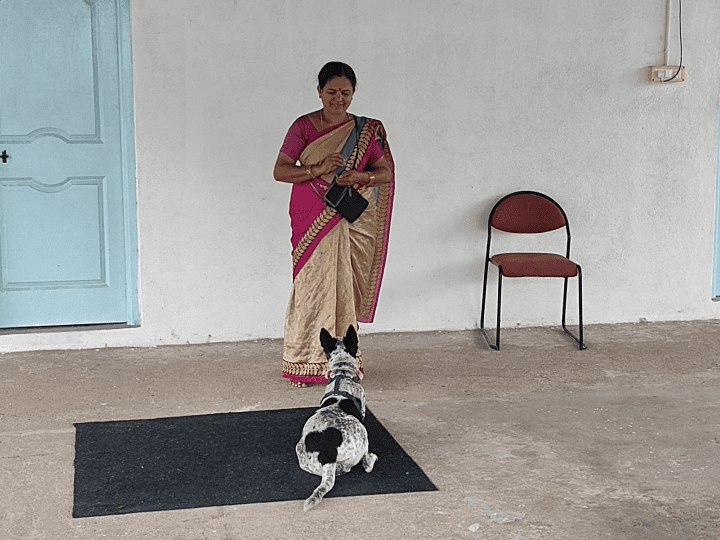
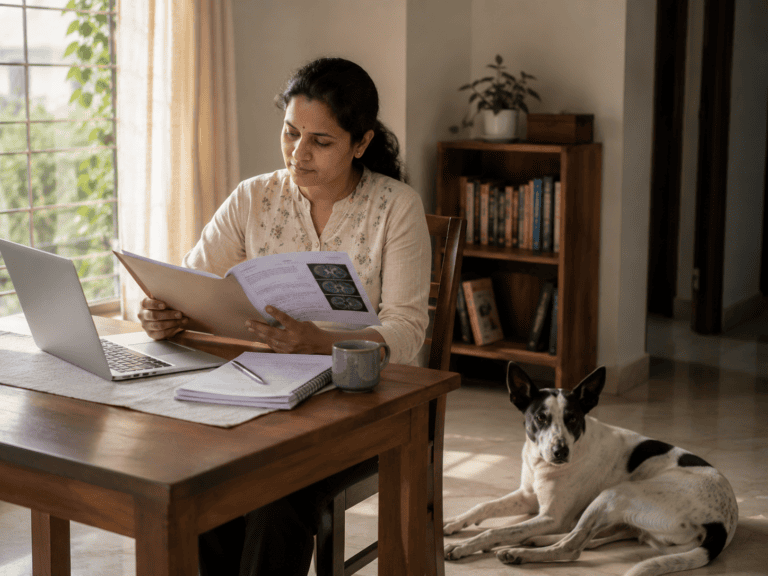
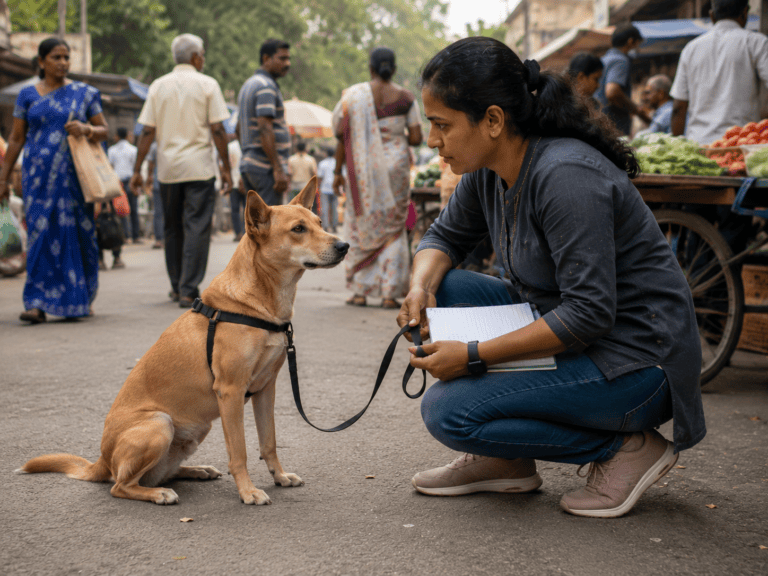
We train Indies - India's native landrace dogs - for therapy work alongside our assistance dog programme. The dogs are trained in real homes in rural Karnataka by women working as paid foster-trainers, learning to stay calm and confident around new people and unfamiliar settings.
We're working towards placements in hospitals and schools as our dogs become ready. The direction is clear: build India's first real therapy dog model, trained by and for Indian conditions.