What is a seizure disorder?
A seizure disorder is a neurological condition characterised by recurring, unpredictable episodes of abnormal electrical activity in the brain. Epilepsy is the most common seizure disorder, though not all seizure disorders are epilepsy. Seizures can vary enormously in how they look, how long they last and how frequently they occur.
Some seizures involve convulsions and loss of consciousness. Others cause brief absence spells, sudden muscle stiffness or unusual sensations that may not be immediately obvious to someone watching. What they share is unpredictability - and that unpredictability is what shapes daily life for the person living with the condition and everyone around them.
Seizures worth knowing about
- Tonic-clonic seizures. The most widely recognised type, involving loss of consciousness and rhythmic convulsions. These can cause falls and injury if the person isn't in a safe position when the seizure begins.
- Absence seizures. Brief episodes where the person appears to stare blankly and becomes unresponsive for a few seconds. Often mistaken for daydreaming, particularly in young adults.
- Focal seizures. Seizures that begin in one area of the brain and may cause unusual movements, sensations or emotions without full loss of consciousness.
- Atonic seizures. Sudden loss of muscle tone, causing the person to drop or fall without warning. These carry a high risk of injury.
What daily life looks like with a seizure disorder
For most Indian families, a seizure disorder means constant supervision. Someone always needs to be nearby, aware and ready to respond. This responsibility falls almost entirely on family members - usually a parent or spouse - and shapes every decision, from whether a person can bathe alone to whether they can travel independently or attend school.
Stigma compounds this. Despite affecting millions, epilepsy in India carries significant social stigma, rooted in longstanding misconceptions about the condition. Many families manage it quietly, without telling employers, schools or extended family, which deepens isolation rather than reducing it.
How support dogs help - and an important distinction
There are two distinct roles trained dogs can play in seizure disorder support, and it's important not to conflate them.
- Seizure alert dogs. Some dogs appear able to detect changes in a person before a seizure occurs - through scent, behaviour or physiological cues that precede the episode. A seizure alert dog signals to the person in advance, giving them time to get to a safe position, take medication or alert someone nearby. Research on seizure alert is still developing, and not every dog demonstrates this ability reliably. It cannot be trained in the conventional sense - it emerges in some dogs through their bond with their handler and is then shaped through reinforcement.
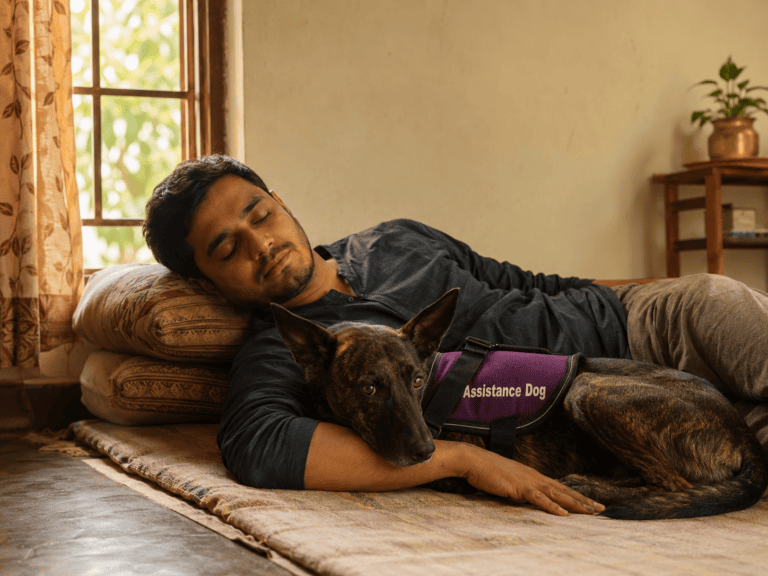
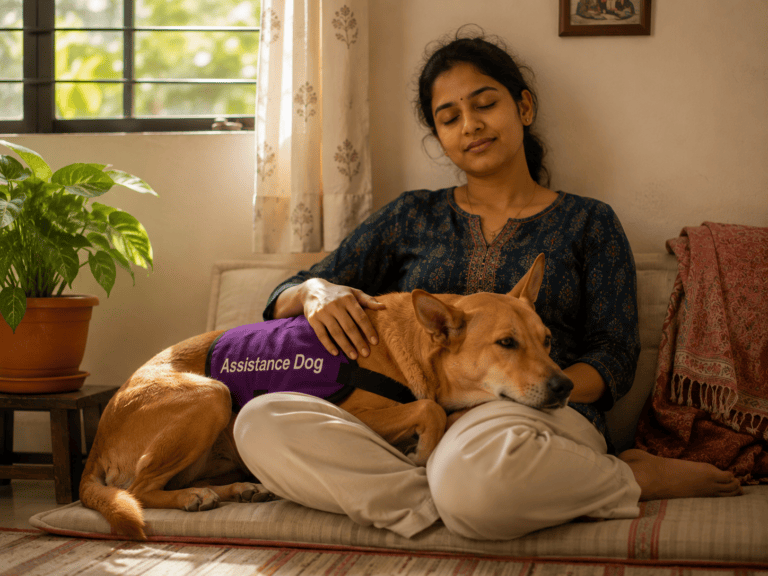
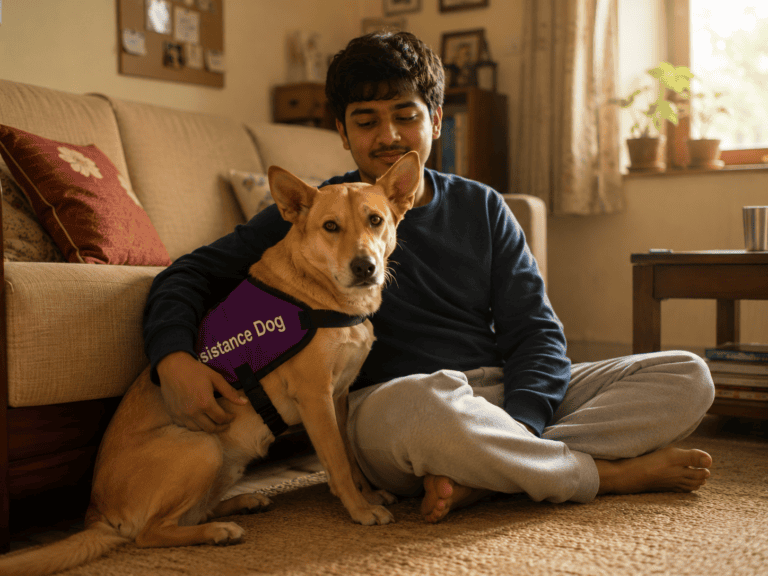
- Seizure response dogs. These dogs are trained to respond after a seizure begins or ends. Tasks include staying close to the person during a seizure to prevent injury, activating an alert device, fetching a phone, or finding another person in the household. These tasks can be trained deliberately and reliably, making seizure response dogs a well-established part of assistance dog work globally.
What this could mean for Indian families
For Indian families managing a seizure disorder, the value of a trained support dog isn't just practical. It's the possibility of a family member being able to sleep through the night. Of a person living with epilepsy having slightly more independence at home. Of a caregiver having something reliable alongside them rather than managing the vigilance entirely alone.
None of this replaces medication or medical care. But it adds a layer of safety and support that most Indian families currently have no access to.
What we are doing about it
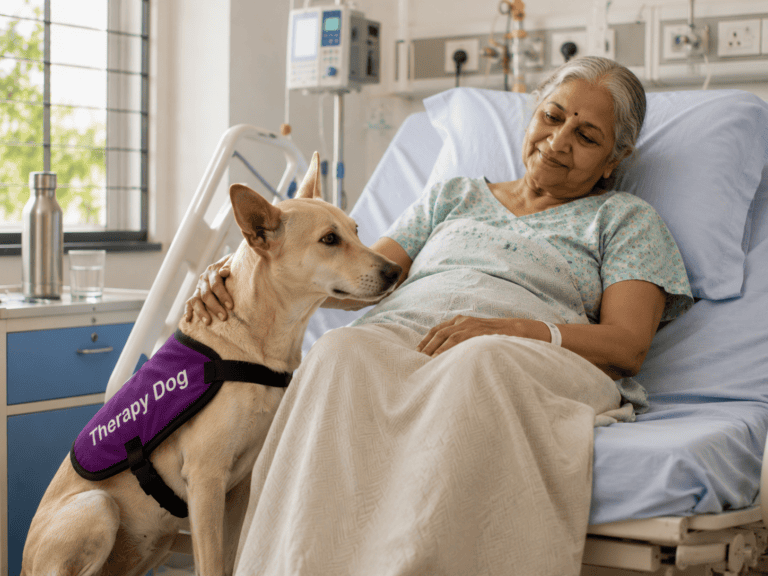
HeartDogs trains Indies, India's native landrace dogs, for seizure response roles as part of a wider assistance and therapy dog programme. Training happens in real homes in rural Karnataka, with women working as paid foster-trainers under professional guidance.