What is a physical disability?
A physical disability is any condition that limits a person's physical functioning, mobility, stamina or dexterity in a way that affects daily life. This can be present from birth, or acquired later through illness, injury or age. It may be stable, or it may change over time.
Importantly, a physical disability is not always visible. Some conditions affect internal functioning or cause fatigue and pain without any outward sign.
Types of physical disability
- Mobility impairments - conditions that affect a person's ability to walk, stand or move independently. This includes paralysis, limb differences, spinal cord injuries and conditions like cerebral palsy.
- Neurological conditions - conditions affecting the brain or nervous system that impact movement or coordination, such as Parkinson's disease, multiple sclerosis or stroke-related impairments.
- Musculoskeletal conditions - affecting bones, joints and muscles, including muscular dystrophy, severe arthritis or spinal deformities like scoliosis.
- Epilepsy and seizure disorders - often classified separately but closely related to physical disability in terms of daily functioning and safety. Seizures can be unpredictable and life-limiting without the right support in place.
- Chronic illness with physical impact - conditions like advanced diabetes, heart disease or lupus that cause physical limitations even if they aren't always described as "disabilities" in everyday language.
The everyday challenges in India
Physical disability in India carries a specific set of challenges that go beyond the condition itself.
- Infrastructure is largely inaccessible. Most Indian streets, public transport, government offices and even hospitals are not designed for wheelchair users or people with limited mobility. Ramps, lifts and accessible toilets remain the exception rather than the rule in most cities, and are almost entirely absent in rural areas.
- Support falls on the family. In the absence of professional care infrastructure, most people with physical disabilities rely on a family member, usually a woman in the household, to assist with daily needs. This is unpaid, unrecognised work that shapes the entire family's life.
- Employment access is limited. Even when a person with a physical disability is educated and skilled, inaccessible workplaces and transport make employment genuinely difficult to sustain.
- Documentation and diagnosis are incomplete. India's official disability figures are widely considered underestimates. Many people, especially in rural areas, have never received a formal diagnosis or registered under the RPWD Act, which means they don't access the benefits and protections they're entitled to.
- Social stigma persists. In many communities, physical disability is still associated with shame or misfortune rather than understood as a functional difference that can be supported. This affects how families seek help, and whether they seek it at all.
How assistance dogs help
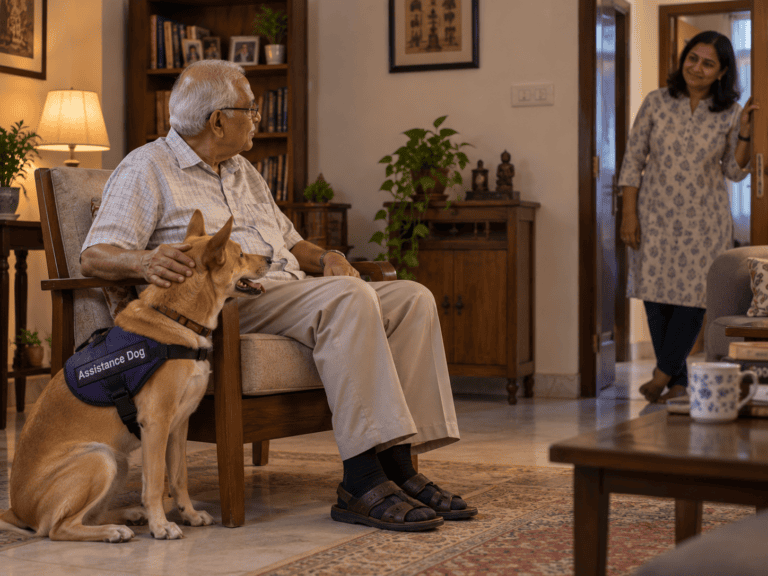
A trained assistance dog doesn't solve infrastructure or policy gaps. But it can make a real difference within the home and community. The support looks different depending on the condition.
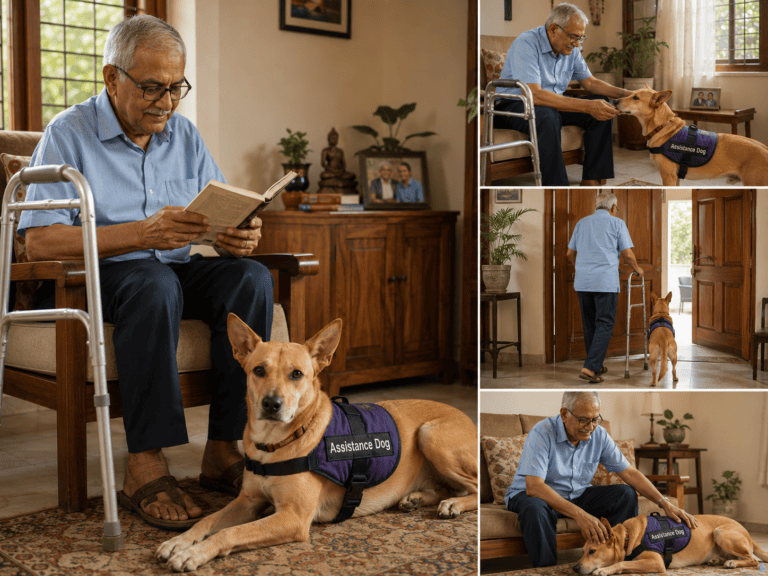
- Mobility impairments. A dog can be trained to pick up dropped items, carry light loads, open doors, brace to help a person balance while standing or walking, or press a button to call for help. For someone who depends on a family member for these small but constant tasks, a trained dog changes how much help they need to ask for every day.
- Neurological conditions. For someone with Parkinson's or a stroke-related impairment, a dog trained to stay close and offer a steady presence can reduce falls and increase confidence moving around the home. Dogs can also be trained to fetch a phone or alert another person if their handler needs help.
- Musculoskeletal conditions. Tasks like retrieving items from the floor, helping with balance during transfers or simply reducing the number of times a person has to bend or stretch can meaningfully reduce pain and physical strain across a day.
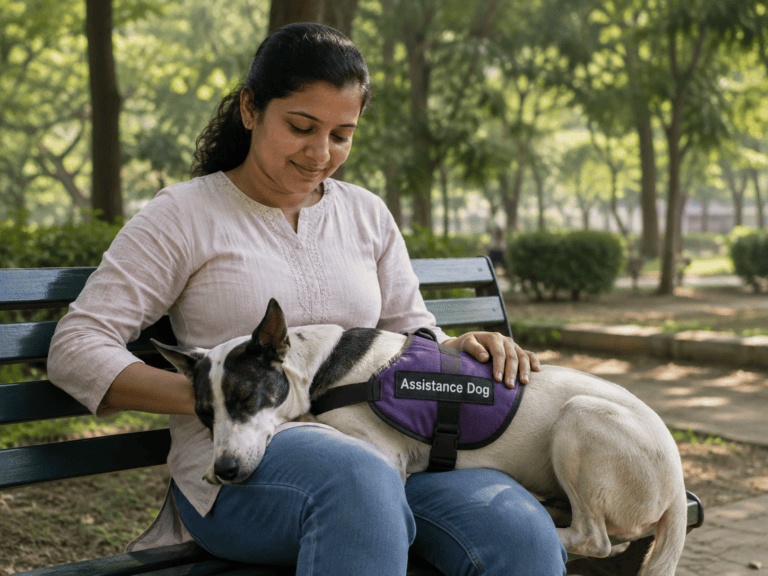
- Epilepsy and seizure disorders. A seizure alert dog can detect subtle physiological changes before a seizure and warn the person in time to get safe. A seizure response dog stays with the person during a seizure and can alert others nearby. In a country where epilepsy still carries significant stigma, a trained dog can also reduce isolation and help families feel less alone in managing an unpredictable condition.
- Chronic illness with physical impact. For someone managing a condition that causes fatigue or unpredictable symptoms, a dog trained to fetch, carry and assist reduces the physical cost of everyday tasks, helping the person conserve energy for what matters most.
These are small, practical interventions. But in a country where formal support systems are still developing and most care falls on families, that kind of daily relief matters more than it might sound.
What we are doing about it
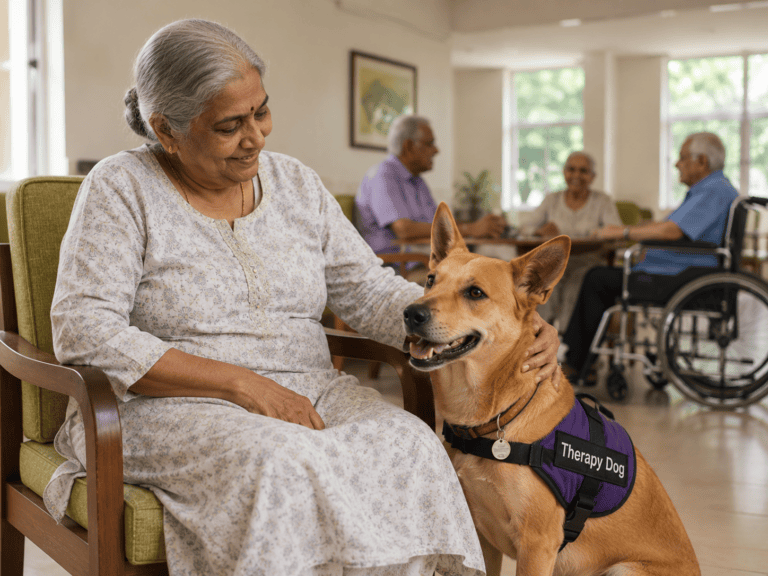
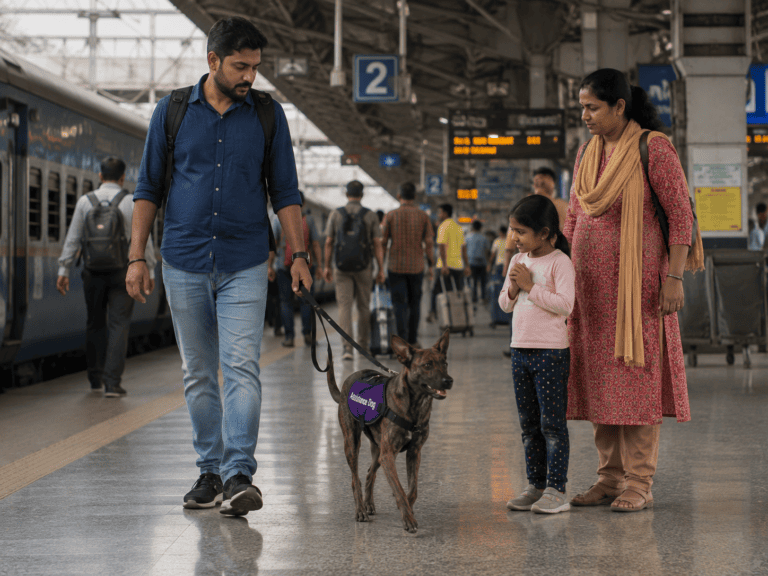
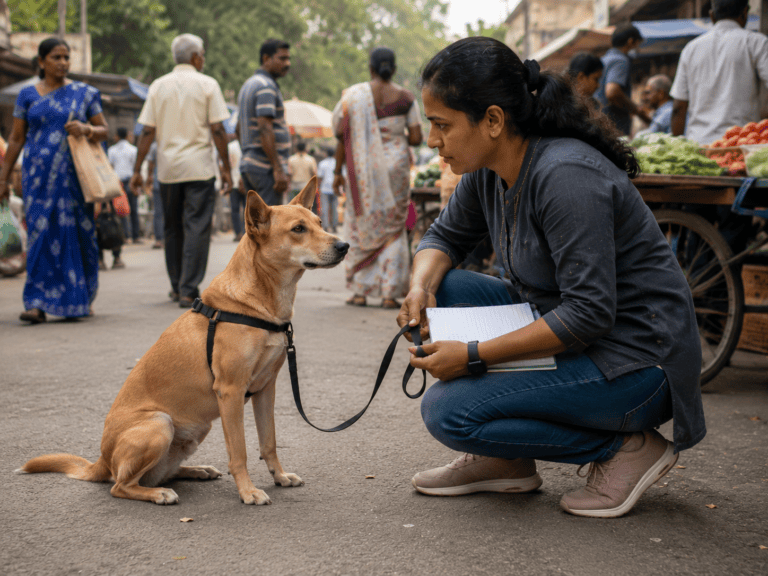
HeartDogs trains Indies - India's native landrace dogs - to support people with physical disabilities as part of a wider assistance and therapy dog programme. Training happens in real homes in rural Karnataka, with women in the community working as paid foster-trainers.
We're building a model that fits Indian family life and India's specific support gaps, not a copy of what exists elsewhere.