What is an invisible disability?
An invisible disability is any condition that significantly affects a person's functioning but has no outward physical signs that are obvious to others. The person may look completely healthy while managing symptoms that make ordinary life genuinely difficult.
The challenge isn't just medical. It's social. When a disability isn't visible, people around the person often don't believe the need is real.
Types of invisible disabilities
- Epilepsy and seizure disorders - between episodes, a person with epilepsy may appear entirely well. The disability lies in the unpredictability and danger of the next seizure, and the constant vigilance that requires.
- Chronic pain conditions - conditions like fibromyalgia or chronic back pain are entirely invisible but can make sustained activity, work or social participation extremely difficult.
- Autism spectrum disorder - many autistic adults, particularly those who have learned to mask their differences in public, are not visibly identifiable as autistic. The effort of that masking is itself exhausting and disabling.
- PTSD and psychiatric conditions - anxiety, PTSD, depression and OCD have no visible markers, yet can prevent people from leaving home, maintaining employment or functioning in crowds and public spaces.
- Diabetes-related disability - advanced or poorly managed diabetes can cause fatigue, nerve damage, vision loss and cognitive difficulties that are invisible from the outside.
- Hearing loss - partial or moderate hearing loss is frequently invisible, yet affects communication, safety and daily functioning significantly.
Why invisible disabilities get missed in India
- Disability is associated with visible impairment. In India, public understanding of disability centres on conditions you can see - a wheelchair, a limb difference, blindness. Conditions without these markers are often not recognised as disabilities at all, by families, employers, doctors or institutions.
- People are told they "look fine." This is one of the most common and damaging responses invisible disability gets. Looking fine and functioning well are not the same thing, but in a culture that equates visible health with actual health, this distinction is hard to make.
- Diagnosis is harder to access and believe. Conditions like fibromyalgia, chronic fatigue or PTSD require clinical assessment to diagnose, and even after diagnosis, the validity is often questioned by family members or employers who expect a disability to be something they can see.
- Legal recognition is limited. India's RPWD Act covers several conditions that manifest invisibly, but awareness of these provisions is low. Most people with invisible disabilities in India don't know they may be legally entitled to protection and support.
Why assistance dogs matter especially here
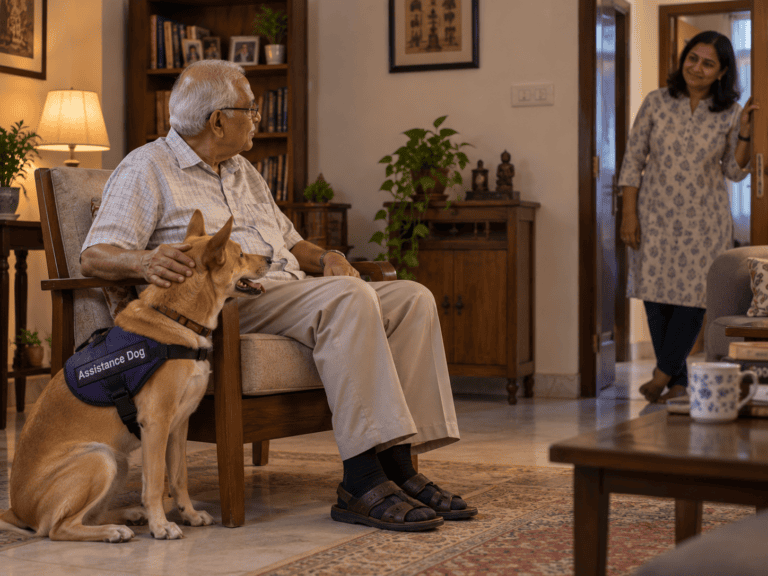
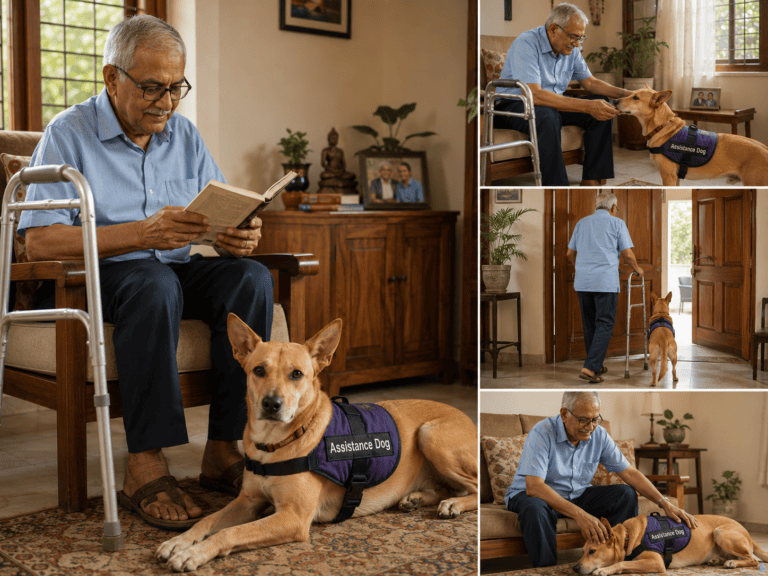
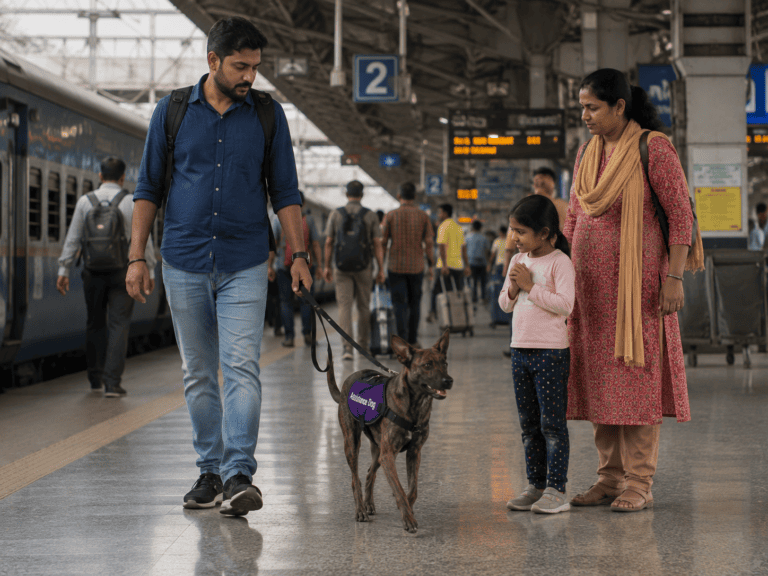
For people with invisible disabilities, assistance dogs (also known as service dogs) offer something that is both practical and social. Practically, a trained dog can respond to symptoms that no one else around the person may be aware of - detecting a seizure before it happens, grounding someone in a panic attack, or alerting to a dangerous drop in blood sugar.
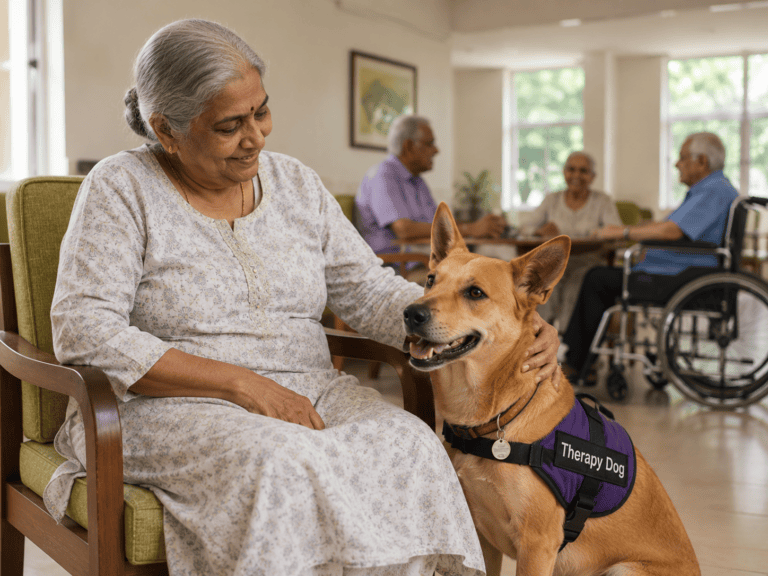
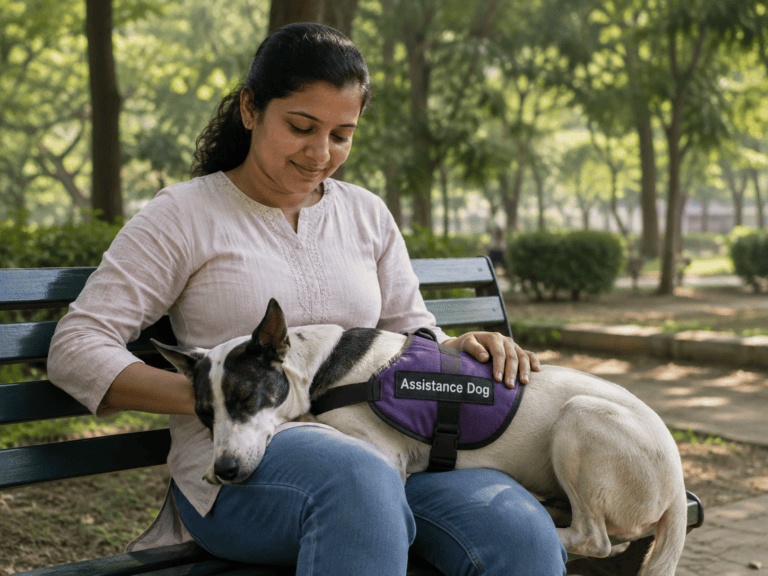
Socially, an assistance dog wearing a vest is a visible signal that a real need exists, even when the person's condition isn't outwardly apparent. In a country where invisible disabilities are routinely disbelieved, that visibility can matter more than it should have to.
- Epilepsy. A seizure alert dog gives warning before a seizure, reducing injury risk and allowing the person to get safe. Between episodes, the dog's presence also reduces the anxiety of not knowing when the next seizure will come.
- PTSD and anxiety. A dog trained to provide grounding, create space in crowds or interrupt a panic response gives a person with an invisible psychiatric condition a concrete, reliable form of support in public settings where they otherwise have none.
- Autism. For autistic adults who mask their differences in public, a trained assistance dog can reduce the cognitive load of navigating social and sensory environments, providing a grounding anchor without drawing unwanted attention.
- Diabetes alert. Diabetic alert dogs are trained to detect blood sugar changes through scent before the person feels symptoms, giving them time to act. This is particularly relevant for people with brittle or poorly controlled diabetes.
What we are doing about it
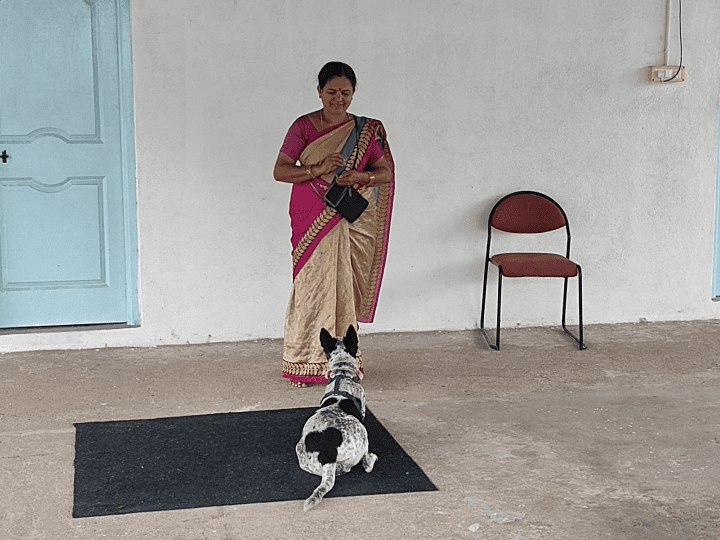
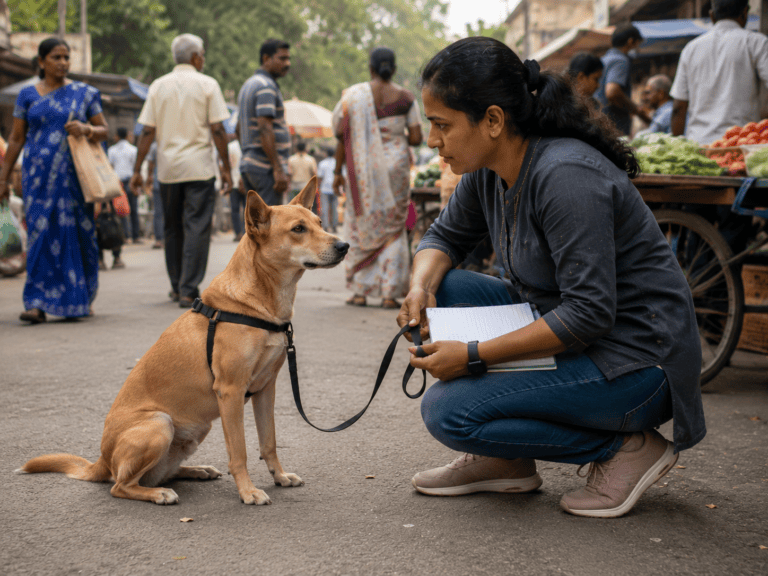
HeartDogs trains Indies - India's native landrace dogs - for assistance roles that include several invisible disability contexts, from seizure alert to psychiatric support. Training happens in real homes in rural Karnataka, with women in the community working as paid foster-trainers.
Part of what we're building is also awareness - that disability doesn't always look the way people expect, and that the need for trained support is just as real when it isn't visible.