Mobility assistance dogs
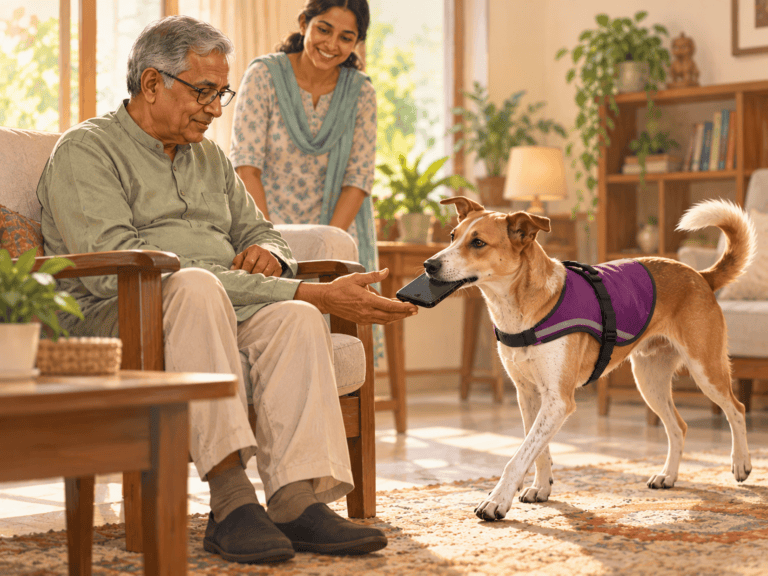
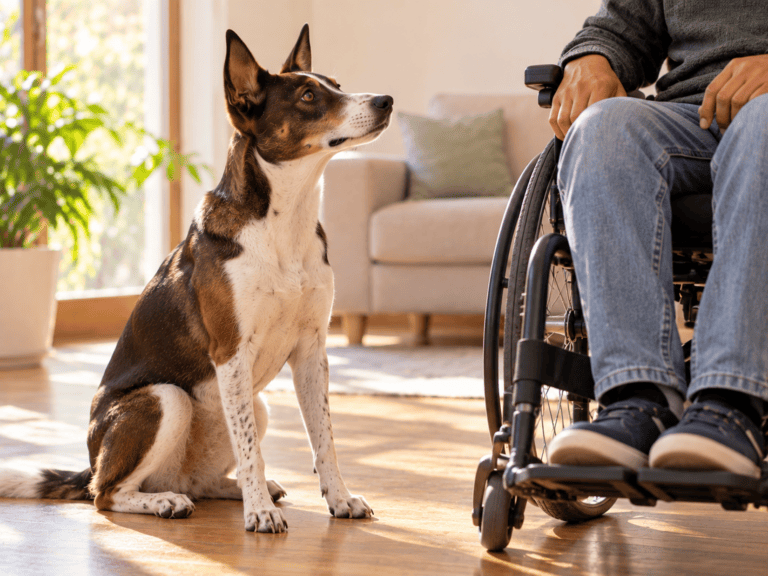
These dogs support people with physical disabilities or limited mobility. Tasks can include picking up dropped items, opening doors, bracing to help someone balance or stand, and pulling a wheelchair. The training is built entirely around the handler's specific physical needs.
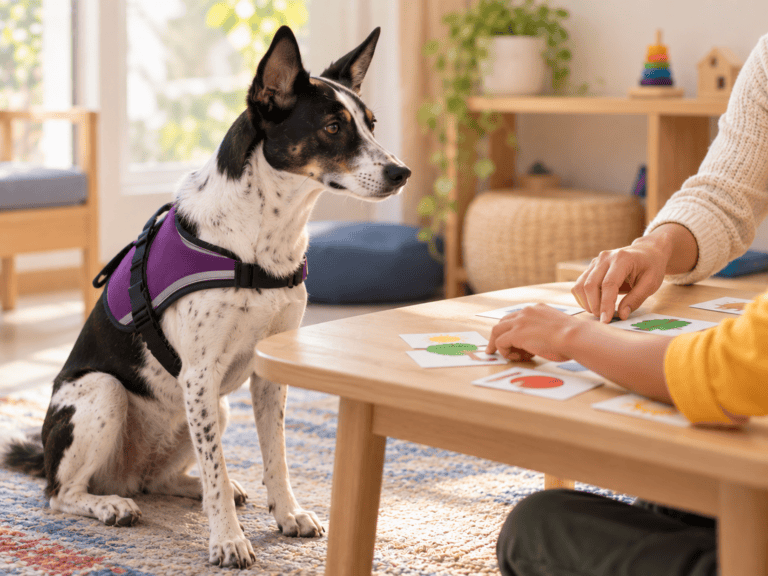
Autism assistance dogs
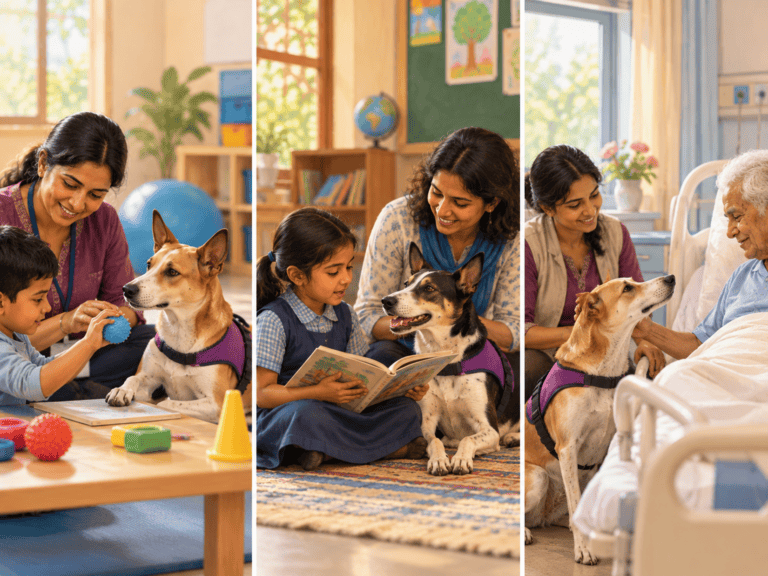
These dogs support autistic individuals. Tasks vary widely depending on the person, but commonly include interrupting repetitive or distressing behaviour, helping prevent bolting in public spaces, and offering a calming, grounding presence during sensory overload.
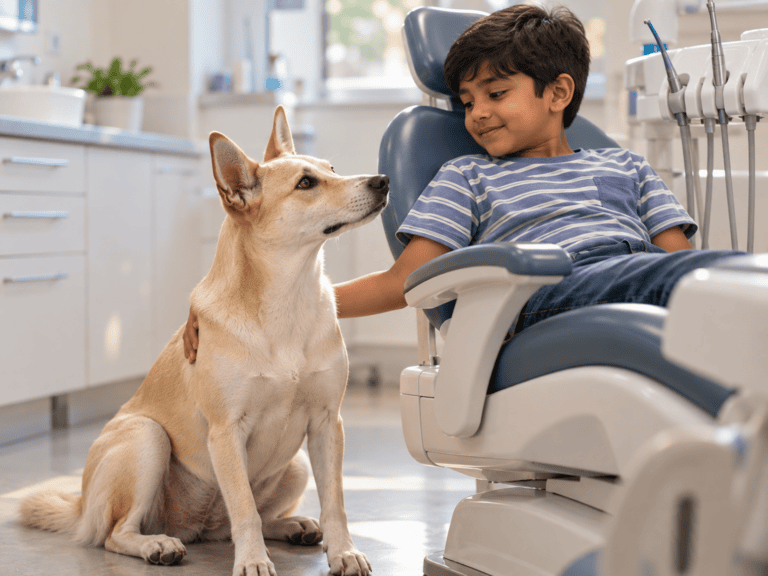
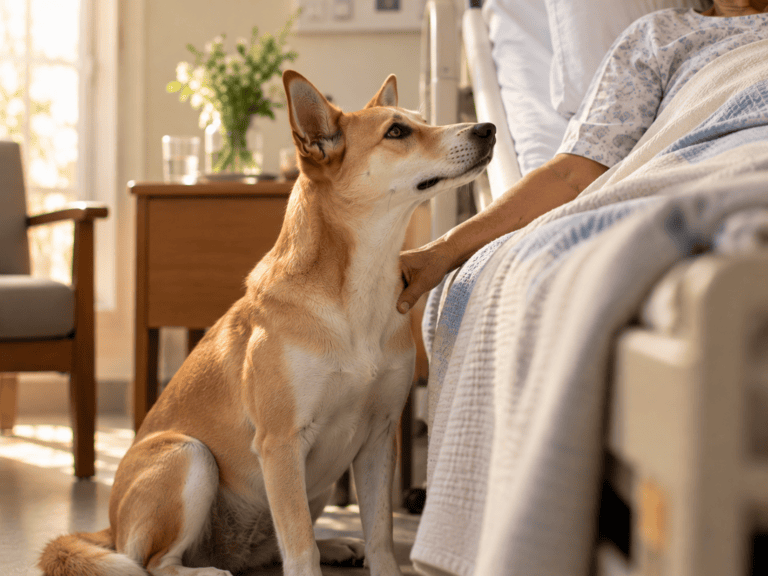
Seizure alert and seizure response dogs
Seizure alert dogs learn to recognise subtle changes in a person before a seizure happens, giving the person or their family a few minutes' warning. Seizure response dogs are trained to act during or after a seizure, such as staying close to the person or alerting someone nearby. The two roles are related but distinct.
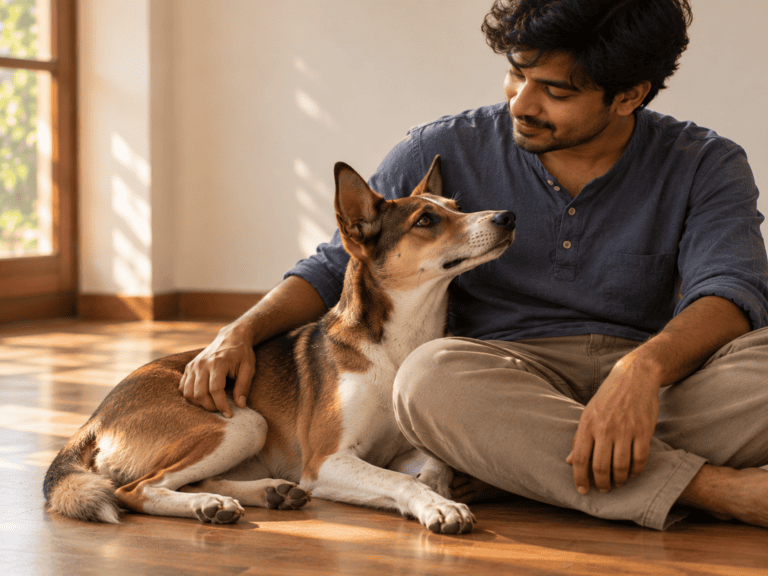
Psychiatric assistance dogs
These dogs support people living with conditions such as PTSD, severe anxiety or panic disorders. Tasks can include waking someone during a nightmare or flashback, creating physical space around their handler in crowded settings, or applying gentle pressure to interrupt a panic attack.
A few more categories worth knowing
A few more categories exist globally, even if rare in India:
- Guide dogs, for people who are blind or have low vision
- Hearing dogs, who alert deaf or hard-of-hearing individuals to sounds like doorbells or alarms
- Diabetic alert dogs, trained to detect blood sugar changes through scent
What's actually available in India
Almost none of these categories have an established training pathway in India. Where assistance dogs (also known as service dogs) exist at all, they've usually been imported, trained abroad, or arranged through informal, individual effort rather than a structured programme. Most Indian families with a relevant need have simply never had access to any of these options.
Public access laws barely exist in India, so use cases tend to centre around the home and family rather than independent public life. Autism support, seizure alert and psychiatric support roles are often more immediately relevant in Indian family contexts than in some Western models built around independent public access.
What we are doing about it
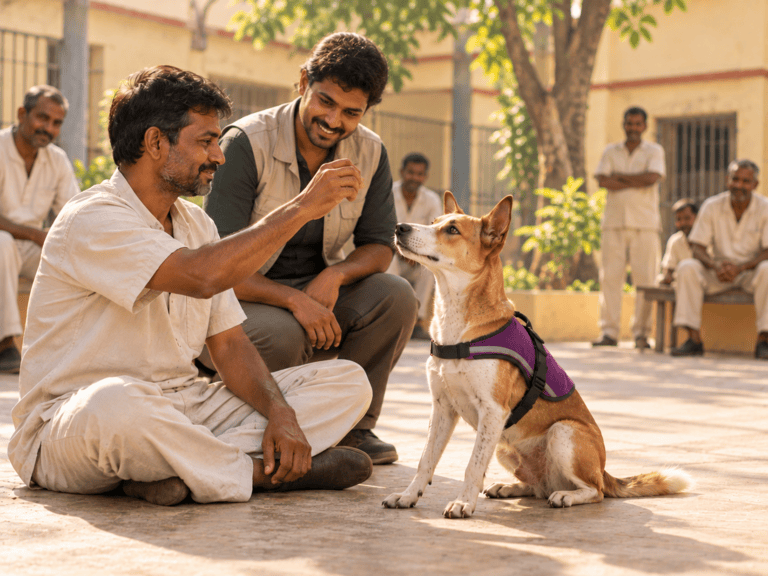
HeartDogs trains Indies - India's native landrace dogs - across these categories based on each dog's natural temperament and aptitude. Training happens in real homes in rural Karnataka, with women working as paid foster-trainers, building toward roles that genuinely fit Indian family life and needs.
We're working to make these categories real options for Indian families, not just concepts borrowed from elsewhere.