The same bond, two names
Heart dog and soul dog are both community terms - informal language that dog lovers developed to describe an experience that ordinary pet-ownership vocabulary does not quite capture. Neither has a formal definition. Neither appears to have been coined or formally defined by a researcher or professional body; both developed as informal language among dog lovers. Both emerged from the lived experience of people trying to explain why losing a particular dog hit differently, why one dog among many became the one.
What both terms share is the idea of depth. Not just love - love is there for all your dogs - but a depth of resonance that feels qualitatively different. The heart dog or soul dog is the one you compare others to. The one whose absence, when it comes, reorganises something in you. The one who arrives in your life and seems to fit in a way that feels less like circumstance and more like something else, though you might struggle to say what exactly.
For many people, someone talking about their heart dog means much the same thing as someone else talking about their soul dog. The bond being described is essentially the same.
Where the two terms pull apart, slightly
There is no established distinction between the two terms. But some people use them differently, and when they do, a pattern can sometimes be felt.
For some people, "soul dog" carries a more fated feeling - the sense that this particular dog arrived at exactly the right moment, that the relationship was somehow meant to happen. People describe their soul dog as the dog who found them during a hard period, who turned up when they were lost or grieving or at a crossroads. The soul dog has a quality of being sent, of appearing with purpose.
"Heart dog" can feel more focused on the emotional bond itself - the depth of connection, the lasting imprint, the way the dog lives on in you. When people talk about a heart dog, they often talk about what the bond felt like from inside: the mutual understanding, the way the dog seemed to know them better than some people did, the inconsolable quality of the loss.
These are not hard lines and they are not universal. The same dog can be both. Many people use both terms to describe the same dog without feeling any tension between them. But if you are drawn to one term over the other, it may be that one dimension of the bond resonates more for you than the other.
Soul dog: the one who arrived when you needed them. Heart dog: the one who never really left. Often, they are the same dog.
Does a soul dog show up differently than a heart dog?
One way some people describe their soul dog is through timing. A soul dog often arrives at a particular point in someone's life - during grief, a move, a breakup, a period of upheaval or uncertainty. The relationship carries the weight of that context. The dog becomes linked to a chapter of life, a version of yourself, a time you were finding your way.
Heart dogs are described somewhat differently. The depth of the heart dog bond is often talked about as something that builds - or that was simply there from the start, the first time you met the dog and something clicked. Timing of arrival matters less than the quality of the connection itself. A heart dog can arrive during an ordinary period of your life and still become the one.
Again, none of this is rigid. But it does suggest that when someone reaches for "soul dog," they may be emphasising the role this particular dog played in their life story. And when they reach for "heart dog," they may be emphasising the specific, irreplaceable depth of that bond.
The same debate, for both terms
People argue about this for both heart dogs and soul dogs, and the arguments are essentially the same. Some feel these bonds are singular - once-in-a-lifetime, one dog, full stop. Others have had two or three dogs over a lifetime that claimed this particular place in them.
The honest answer is that no one can tell you how many heart dogs or soul dogs you are allowed. These are not categories with membership limits. If two dogs over the course of your life have each reached that particular depth - have each left that particular shape - then you have had two. The fact that it happened before does not make it less real the second time.
What both terms agree on is that this depth of bond is not the rule. Most dogs you love will not be heart dogs or soul dogs, and that is not a failure of love on either side. Some dogs are wonderful companions without being this particular thing. The rarity is part of what the terms are trying to name.
Why the grief surprises people, and why it shouldn't
The grief after losing a heart dog or soul dog is its own thing. People who have not experienced it sometimes do not understand why losing a dog could produce grief of this magnitude. Research on pet loss suggests that the strength of the attachment bond is associated with the intensity of grief - which helps explain why losing a deeply bonded dog can feel so different from losing a beloved pet with whom the relationship was less intense.
When you lose a heart dog, you lose the animal. But you also lose a way of being in the world that this specific dog made possible. A kind of ease, or safety, or joy, that was particular to their presence. The grief is proportionate to what the bond actually was - not to what others think it should have been.
The "soul dog" framing adds one more layer: the sense that you have lost not just a companion but a particular chapter of your life. The dog who carried you through something. When they go, the chapter closes in a way that can feel like losing yourself a little, alongside losing them.
Both kinds of grief are real. Both are the price of having loved that well.
Two words, one truth
Heart dog and soul dog are not competing concepts. They are two ways of reaching for the same experience from slightly different angles. The heart dog emphasises the bond itself - the depth, the permanence, the way the dog lives on in you. Soul dog emphasises the relational story - the timing, the purpose, the sense that this particular dog arrived for a reason.
For most people, the same dog is both. And which term you use matters less than the fact that the bond it is trying to describe is real, is rare, and is one of the things that makes the human-dog relationship unlike any other.
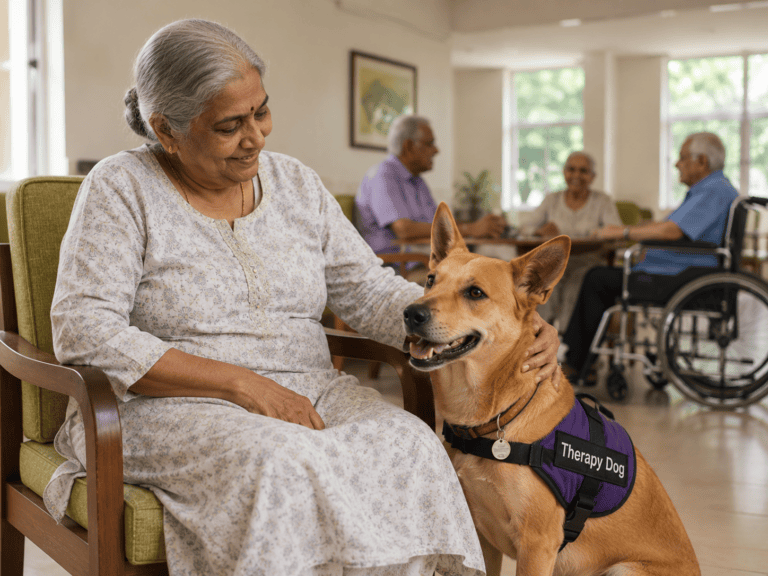
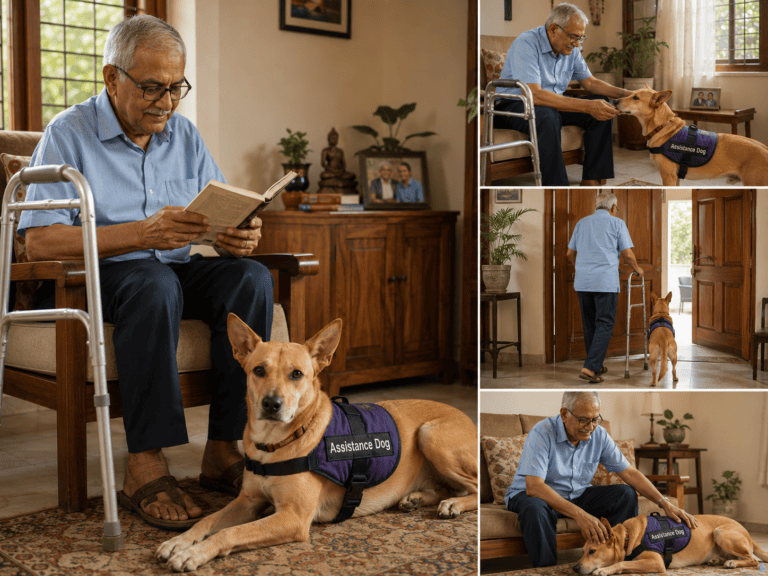
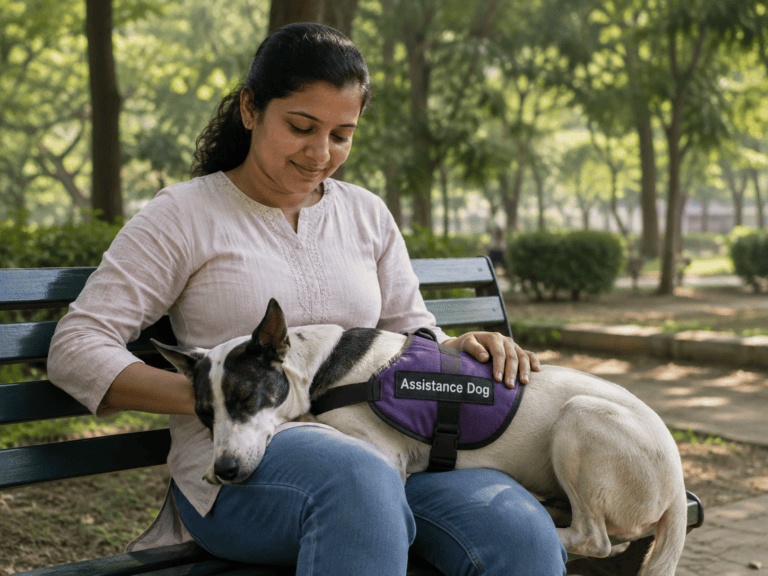
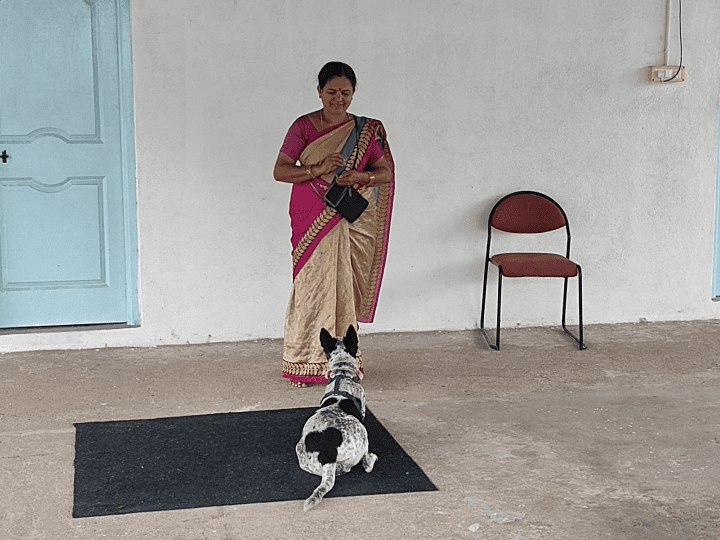
Within our programme at HeartDogs, we use the word HeartDog for an individual rescued Indie trained and placed as an assistance or therapy dog. Every HeartDog is trained to be exactly that - the dog who gets all the way in, for the person who needs them most.
If you want to read more about what makes the heart dog bond different, what the science says about it, and why we named our organisation HeartDogs, our earlier piece on heart dogs goes deeper into all of that.