Where an assistance or service dog might fit
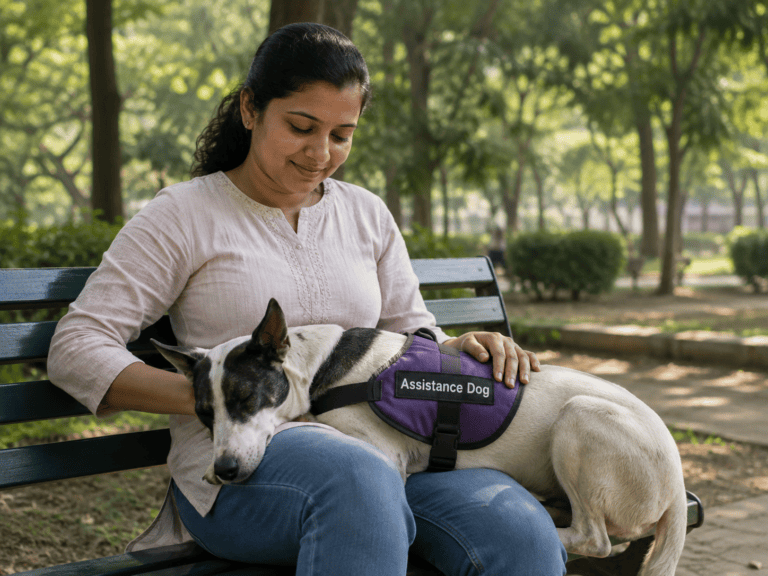
Providers who place service dogs with children and adults who have developmental disabilities describe a few areas where a dog may help: staying safe in public, keeping to routines, calming during stress, and building independence through caring for an animal. Our posts on developmental disability and autism assistance dogs cover these in more detail.
It is worth being clear about where those descriptions come from. Much of what is written about dogs for Down syndrome is from the organisations that train them. One US provider's blog, for example, says service dogs can help with safety, emotional support and independence, but apart from a general statistic and one link to a broader disability study, it gives no evidence for these claims. That does not make them wrong. It means they are expectations, not findings.
What research exists
- Assistance dogs and Down syndrome. We did not identify studies that measured outcomes of assistance dogs (service dogs) specifically for people with Down syndrome.
- How providers measure results. A survey of service dog providers who place dogs with children with developmental disabilities (Butterly and colleagues, 2013) invited 17 registered providers, and five replied. All assessed some outcomes, but none used a named, validated measure. They relied mostly on parent reports and informal observations, and the authors noted that people with a stake in the result were doing the assessing. That was a small, older survey, but it shows how thin the evidence base has been.
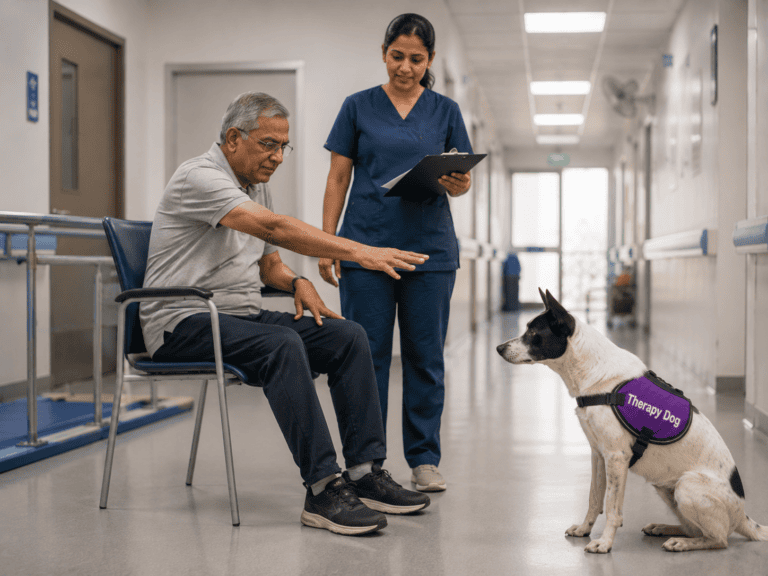
- Therapy dogs, not assistance dogs. A 2025 randomised trial in PLoS ONE (Van Der Steen and colleagues) studied dog-assisted therapy for children aged 7 to 16 with autism or Down syndrome, with 65 children included in the final analysis. The children had five weekly 45-minute sessions with a therapist and either a certified therapy dog or a robot dog, or were in a no-treatment control group. Parent questionnaires showed significantly greater improvement in emotional attunement in the dog group, while the main analysis found a borderline effect on emotion regulation. A separate analysis of reliable change also favoured the dog group for emotion regulation. There were no significant group differences in social confidence, conversational attunement, social cognition or social motivation, and improvements were less apparent at follow-up. The results combine children with autism and Down syndrome, so they do not establish an effect specifically for Down syndrome. The trial evaluated structured therapy sessions, not assistance dogs (service dogs) living with children.
Dogs may help some children and adults with Down syndrome, but we have not identified research that shows how much, for whom, or with which tasks. Families should treat any claim of guaranteed benefit with caution.
Sources: Butterly et al., Journal of Autism and Developmental Disorders (2013), service dog providers' outcome measures | Van Der Steen et al., PLoS ONE (2025), dog-assisted vs robot dog-assisted therapy | NICHD, conditions associated with Down syndrome
Who is the dog really working with?
For a child, an adult, usually a parent, will in practice need to handle and care for the dog, and the child's role is something each family and trainer works out. For an adult with Down syndrome, support needs vary, and some people may manage much of the dog's care with help. This should also reflect the person's own wishes and choices, so that a dog is not placed in a way that removes their decision-making.
There are health points too. People with Down syndrome can have low muscle tone or atlantoaxial instability, an instability in the upper spine, both of which NICHD lists as associated conditions. Any proposed task involving pulling, tugging or physical support should therefore be assessed individually with the person's healthcare team before training begins. HeartDogs does not train dogs for weight-bearing support.
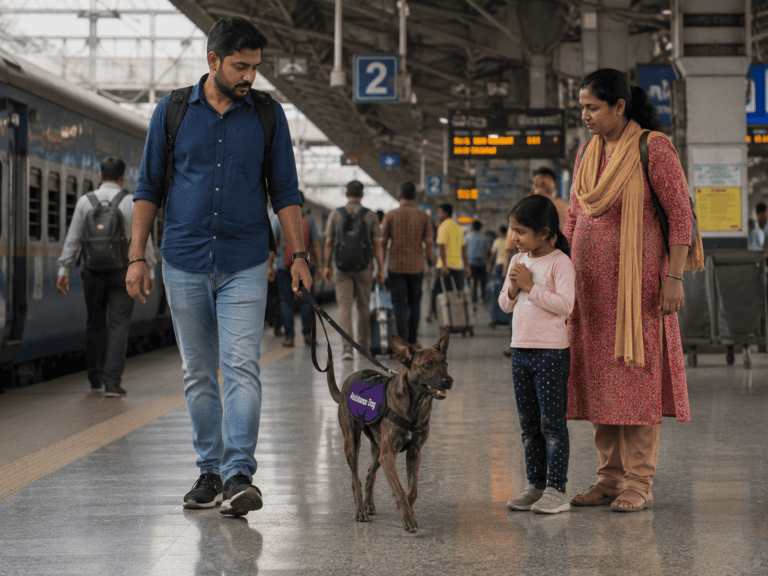
Finally, a dog is not a substitute for adult supervision. Providers talk about dogs helping with safety, for example by staying close to a child in public, but we have not seen evidence that a dog can be relied on to prevent a child from wandering or getting into danger.
Down syndrome and assistance dogs in India
We have not found a reliable national count of people with Down syndrome in India. One hospital study from PGIMER Chandigarh looked at 208 children and found heart anomalies in 62 per cent and hypothyroidism in about 30 per cent, which fits the health picture above. As a referral hospital, it probably sees more complex cases, so those figures should not be read as national rates.
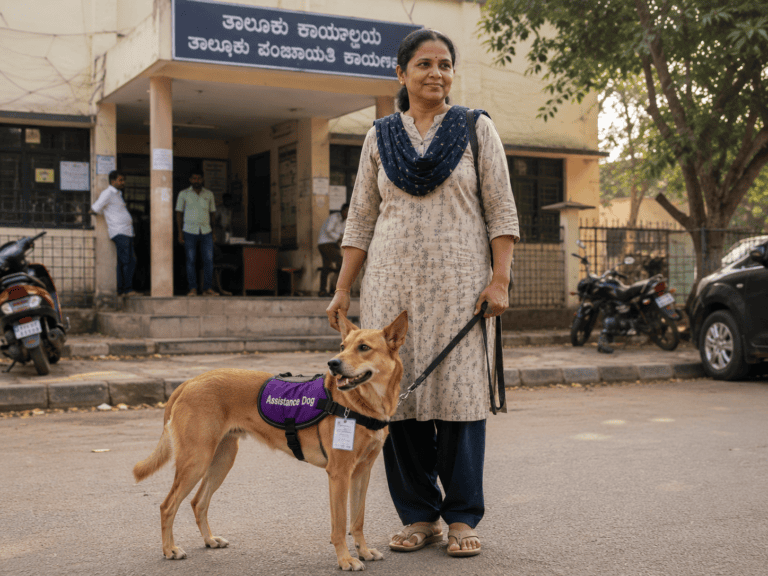
We have not identified a nationally standardised route for obtaining or funding an assistance dog (service dog) for a person with Down syndrome in India, and such dogs may not yet be widely available. Our posts on how to get an assistance dog in India, what one costs and the RPWD Act explain the current picture.
What HeartDogs is doing
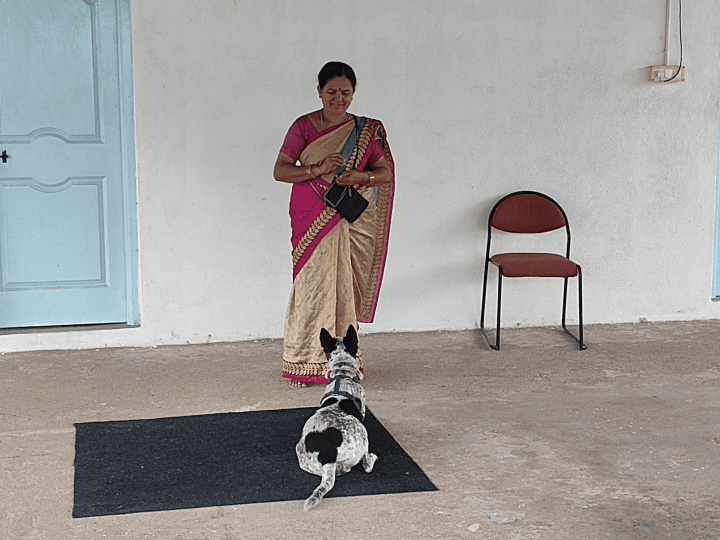
HeartDogs is working towards training assistance dogs (known as service dogs in some countries) for tasks matched to the needs of an individual person, including people with developmental disabilities. We are not making claims about outcomes for Down syndrome. Decisions about each dog's tasks are meant to be made one person and one dog at a time, with input from the family and the person's doctors, so that both the person's wellbeing and the dog's welfare are protected.