What a well-behaved pet can do
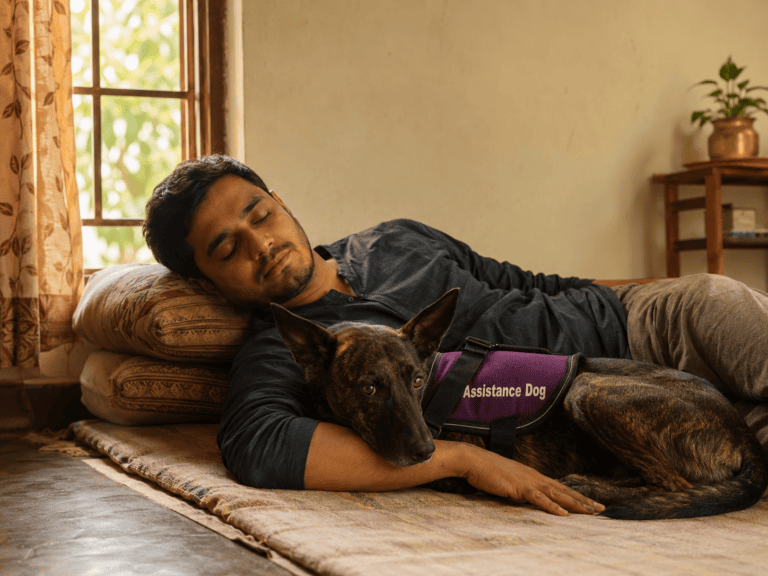
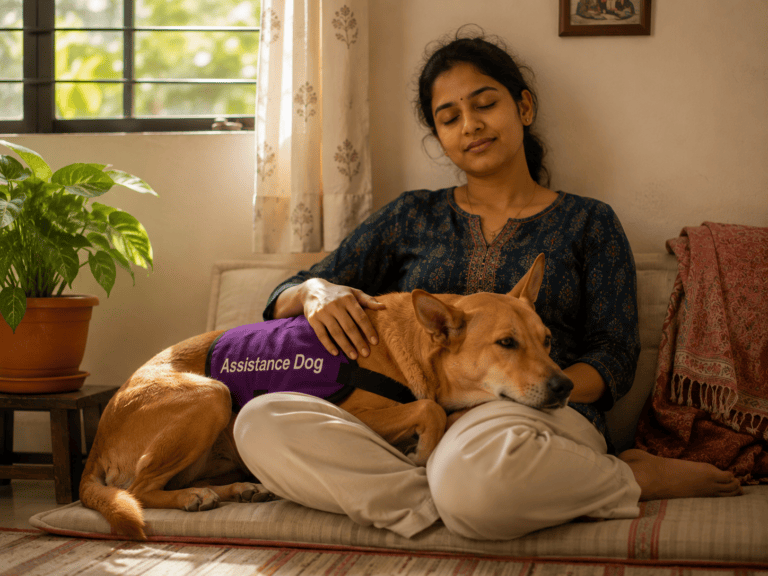
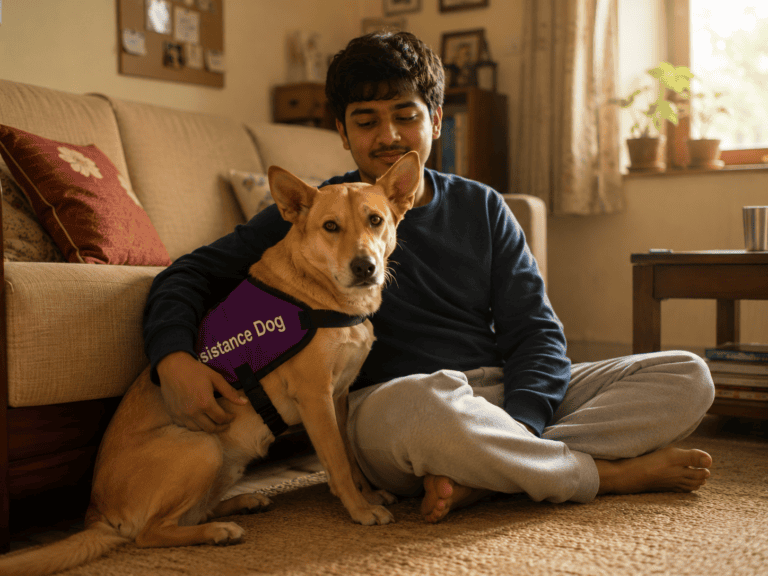
A well-behaved pet responds to basic cues, doesn't jump on guests, walks reasonably well on a lead and generally behaves itself around the house. In a calm, familiar environment, with its guardian, it's reliable and pleasant to be around.
That's genuinely good. But it's not assistance work.
What an assistance dog does differently
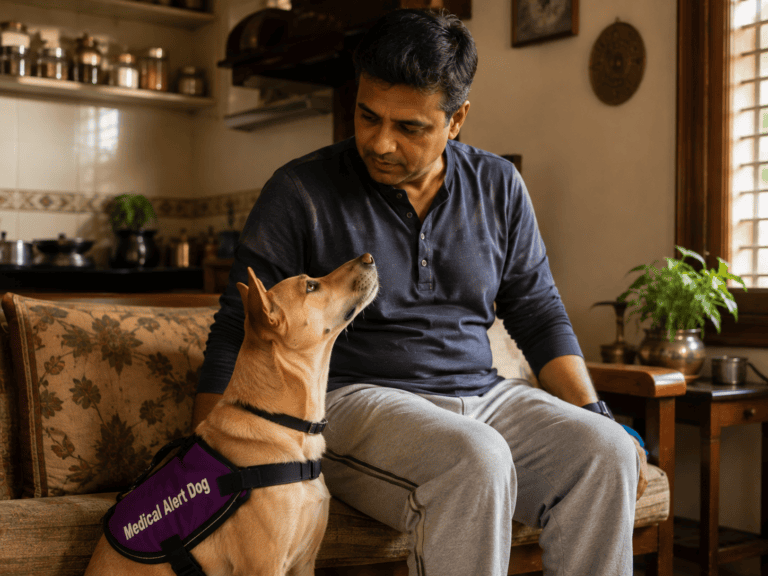
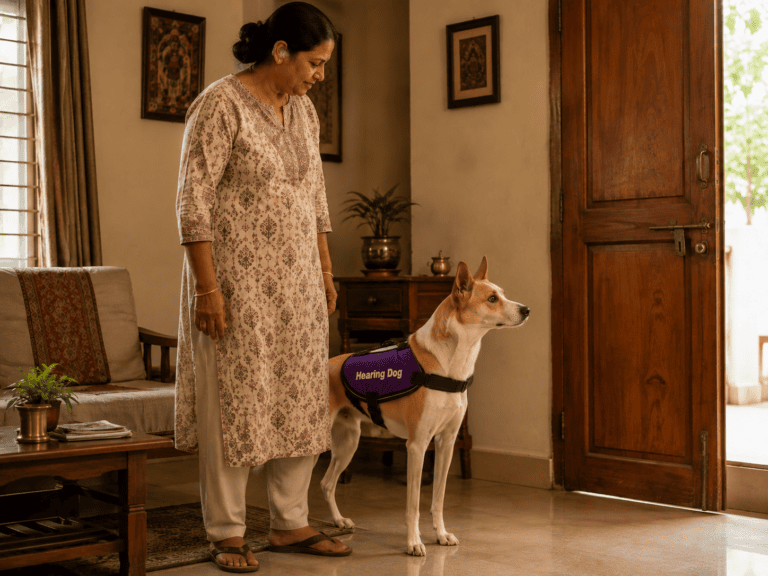
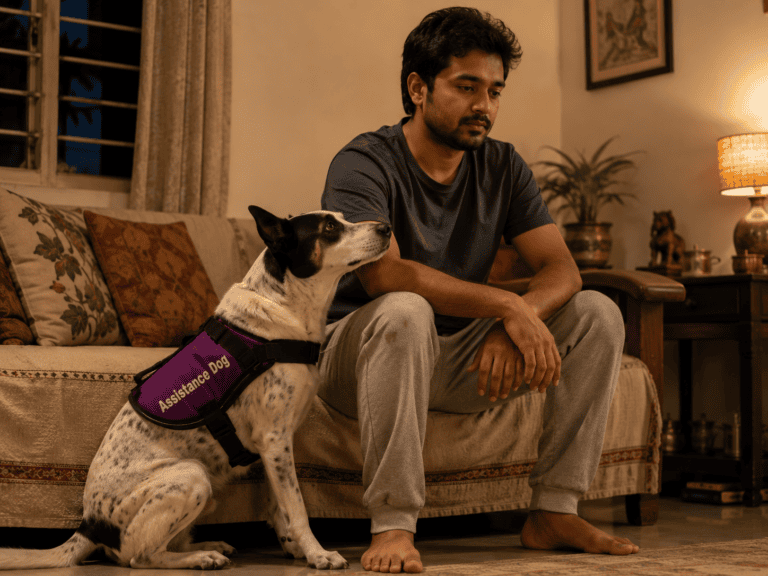
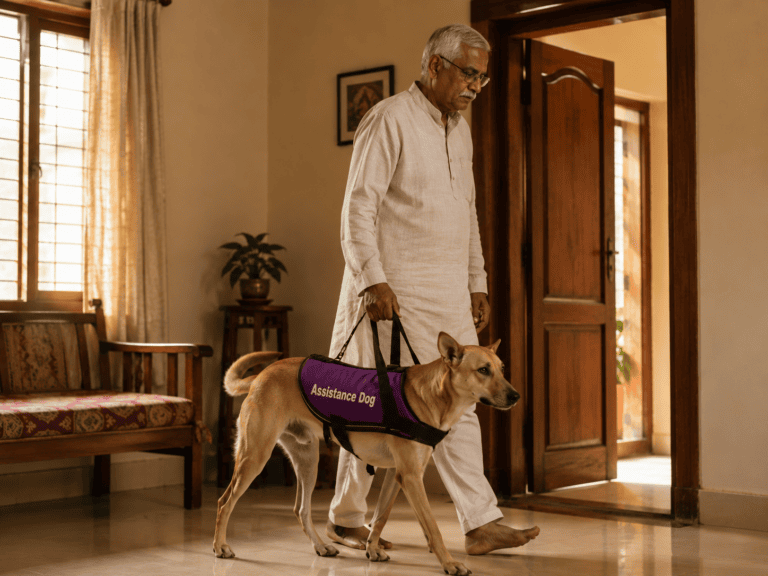
- It performs specific trained tasks. An assistance dog doesn't just behave - it does something. It alerts before a seizure, picks up a dropped item, applies pressure during a panic attack, or guides its handler around an obstacle. These are learned behaviours, trained to a high degree of reliability, not general good manners.
- It stays reliable under pressure. A pet might behave well at home but become unpredictable in a hospital corridor, a crowded market or a noisy school. An assistance dog is trained specifically for exactly these kinds of environments, and its reliability in them is not optional - someone's safety or daily functioning depends on it.
- It can ignore distractions when working. Other dogs, food on the ground, loud noises, strangers trying to pet it - an assistance dog learns to stay focused on its handler regardless. A well-behaved pet has never been tested this way.
- It works consistently, not just on good days. A pet's behaviour varies. It has off days, gets distracted, gets excited. An assistance dog is trained to perform its tasks consistently, because the person relying on it doesn't get to choose when they need help.
- It has been assessed, not just trained. Before a dog enters assistance work, its temperament is assessed carefully. Confidence, social ease, recovery from stress, focus - these are evaluated systematically, not assumed. Many dogs with lovely temperaments simply aren't suited to this level of work, and that's established through proper assessment, not guesswork.
Why this distinction isn't snobbery
Even in countries with established assistance dog cultures, people do self-train assistance dogs. It happens, and it can work. But it requires the same rigour - the same temperament assessment, the same systematic training, the same honest evaluation of whether the dog is actually ready. The certification framework doesn't create the standard. The standard exists because the person depending on the dog needs it to be reliable.
The distinction between a well-behaved pet and a trained working dog isn't snobbery about dogs. It's about whether the animal is genuinely prepared for what's being asked of it. A dog that isn't ready isn't just ineffective - it can set back trust in the whole concept.
What we are doing about it
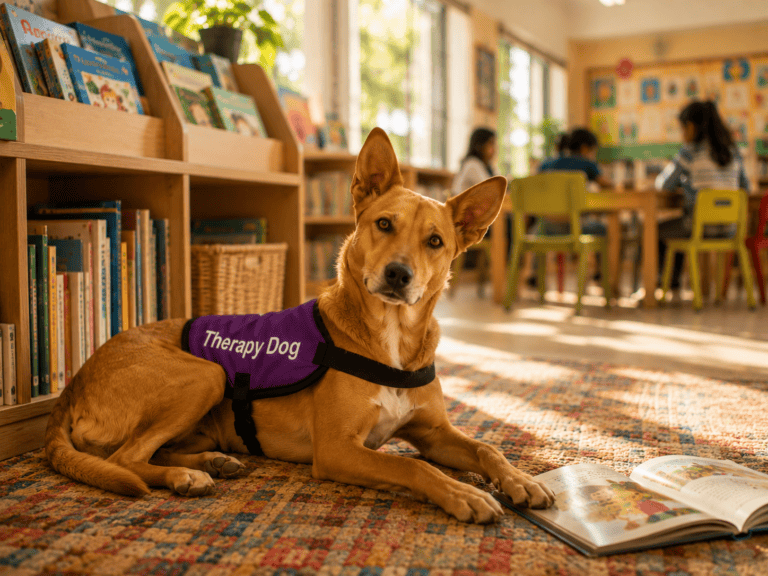
HeartDogs assesses every Indie individually before training begins, monitors progress throughout training, and continues that assessment after rehoming. Temperament comes first. The dogs that continue through the programme are those that show the right combination of confidence, social ease and trainability for assistance or therapy work - not just dogs that are friendly and easy to manage at home.