What is sensory processing?
Sensory processing is the way the brain receives, organises and responds to information coming in through the senses - sight, sound, touch, smell, taste, movement and body awareness. For most people, this happens automatically and in the background. The brain filters out what isn't important and pays attention to what is.
For many autistic people, this filtering process works differently. Sensory information can come in too intensely, not intensely enough, or inconsistently - making the world genuinely harder to navigate than it looks from the outside.
Sensory differences in everyday life
- Hypersensitivity. Some autistic people are over-sensitive to certain inputs. A sound that most people tune out - a fan, a distant conversation, a particular frequency - can feel physically painful. Clothing textures can be unbearable. Bright lights can cause genuine distress. Crowded, noisy environments like Indian festivals, markets or school halls can be overwhelming in a way that's hard to explain to someone who doesn't experience it.
- Hyposensitivity. Others are under-sensitive. They may seek out intense sensory input - loud sounds, strong pressure, fast movement - because their nervous system needs more stimulation to register the world clearly. This can look like restlessness, rough play or what's sometimes described as not feeling pain normally.
- Fluctuation. Some autistic people experience both, at different times or for different senses. What feels manageable on a calm day can become overwhelming when the person is tired, anxious or unwell.
Why this matters in India
India is an intensely sensory environment. Crowded streets, loud festivals, strong smells, unpredictable noise, varied textures and temperatures - all of this is part of ordinary daily life. For an autistic person with sensory sensitivities, navigating Indian daily life can require enormous effort that isn't visible to the people around them.
Someone who covers their ears, refuses to enter a temple during a festival or becomes distressed in a busy market is often seen as difficult or poorly disciplined, rather than as someone whose nervous system is genuinely struggling with the environment.
How assistance dogs help with sensory processing
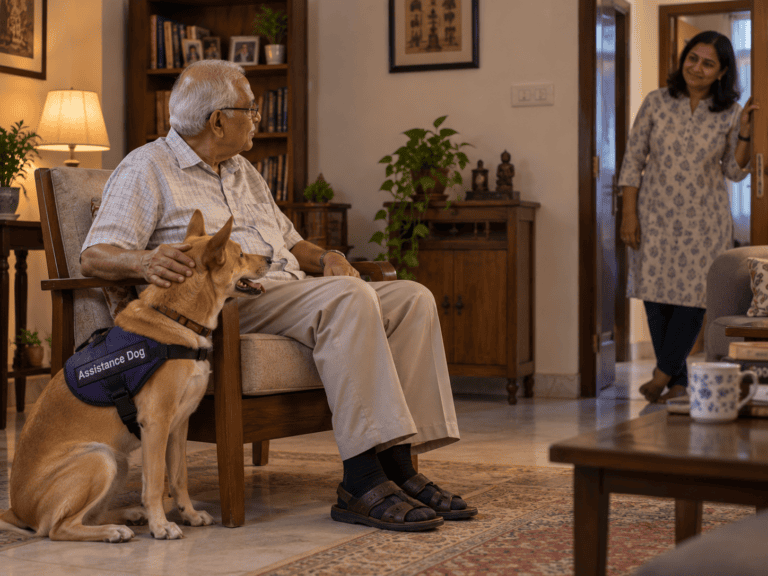
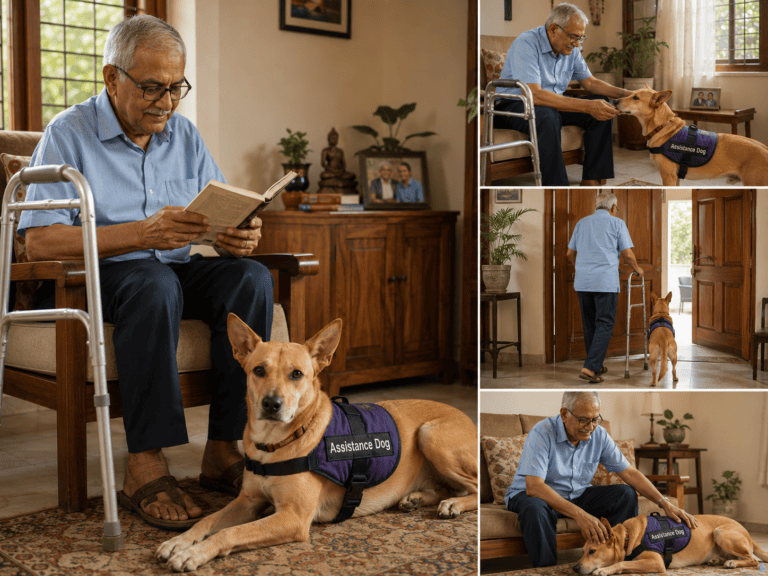
For autistic individuals with sensory processing differences, a well-trained assistance dog (also known as a service dog) can help in specific, practical ways.
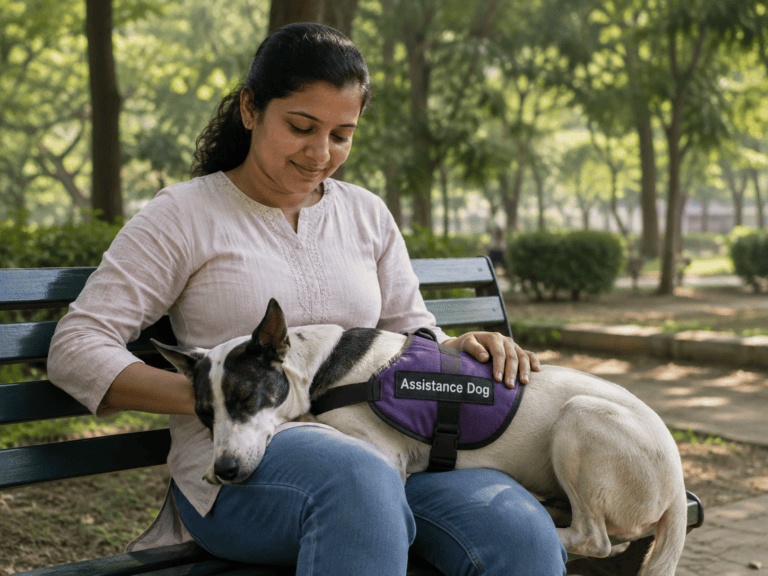
- Deep pressure. Many autistic people find firm, predictable physical pressure calming during sensory overload. A trained dog can apply gentle pressure on cue, offering a grounding sensation that helps regulate the nervous system in difficult moments.
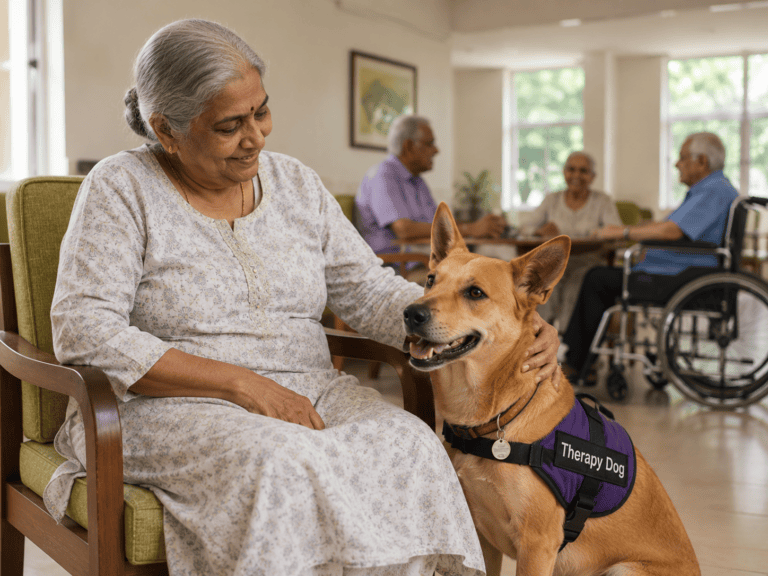
- Grounding and focus. A dog provides a consistent, familiar sensory anchor in unpredictable environments. Stroking a calm dog has a measurable effect on the nervous system - reducing cortisol and lowering heart rate - which can help an autistic person regulate during sensory stress.
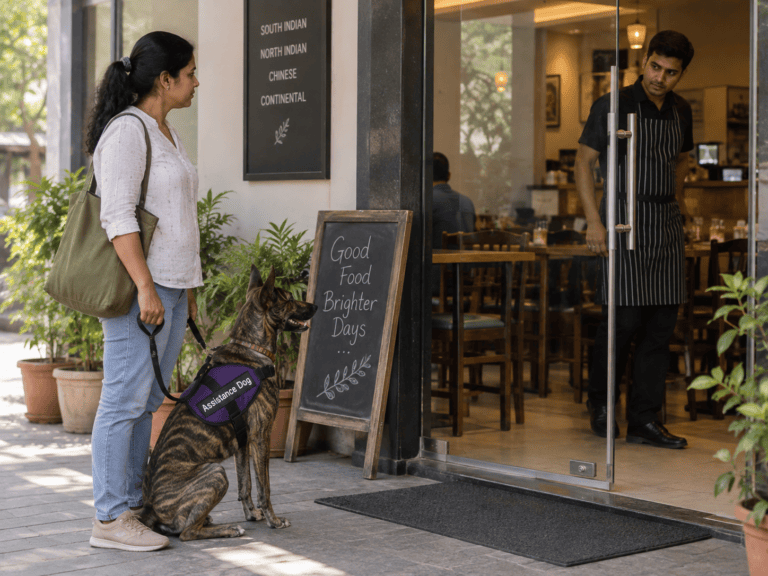
- Preventing dangerous responses. When sensory overload leads to bolting, freezing or self-injury, a trained assistance dog can interrupt the behaviour early, before it escalates, giving the person and their family more safety in public settings.
- Reducing the need for human intervention. For many autistic people, physical contact or direction from another person during sensory overload makes things worse. A dog provides support without the social complexity that human interaction can add in those moments.
What we are doing about it
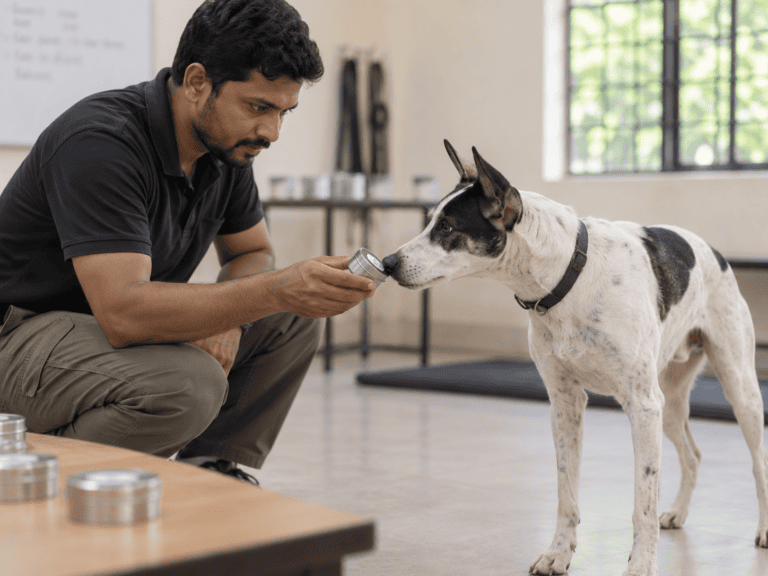
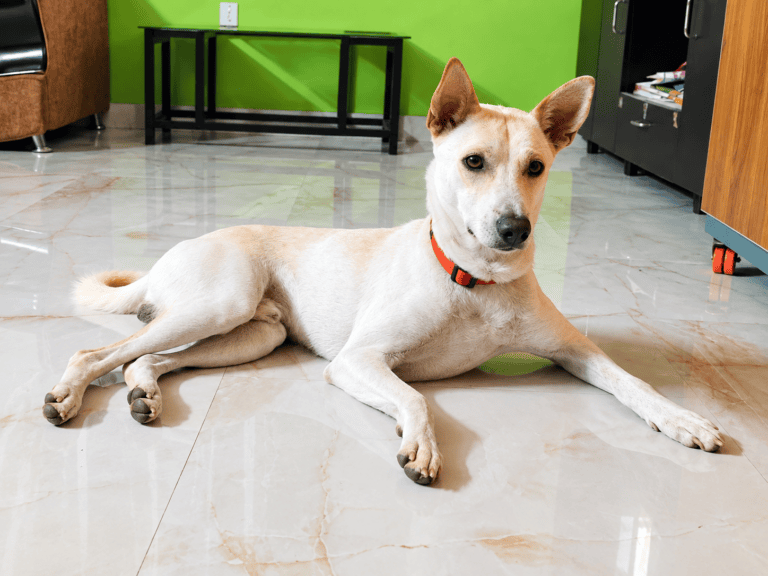
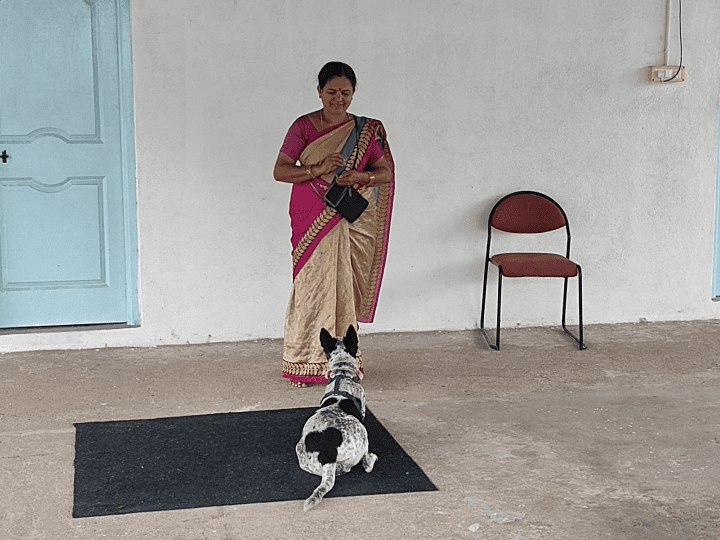
HeartDogs trains Indies - India's native landrace dogs - for assistance roles that include autism support. The dogs are trained in real homes in rural Karnataka by women working as paid foster-trainers, building the calm, steady temperament that sensory support work requires.