Adoption, rehoming with purpose, and working dog placement are not the same thing
Companion adoption is fundamentally about finding a safe, stable and welfare-positive lifelong home in which the dog and household are a good fit. Responsible shelters and rescues already do real work to get this right, checking a dog's health and temperament, learning about a family's home and routine, and trying to make a match that lasts. None of that is careless, and we are not suggesting otherwise. The dog's future is very often as a companion, and a good companion home is a completely legitimate, wonderful outcome on its own.
Rehoming with purpose starts from the same commitment to the dog's lifelong welfare, but adds another layer of questions before a match is made. What does this particular dog appear to be well suited to? What environments let those qualities show up comfortably rather than causing stress? Who could genuinely benefit from what this dog offers, and is that dog actually suited to what that person or setting needs? The intended role is considered from early on, and training continues in that direction, but the dog's comfort and welfare in that role are treated as part of what counts as success, not a separate concern.
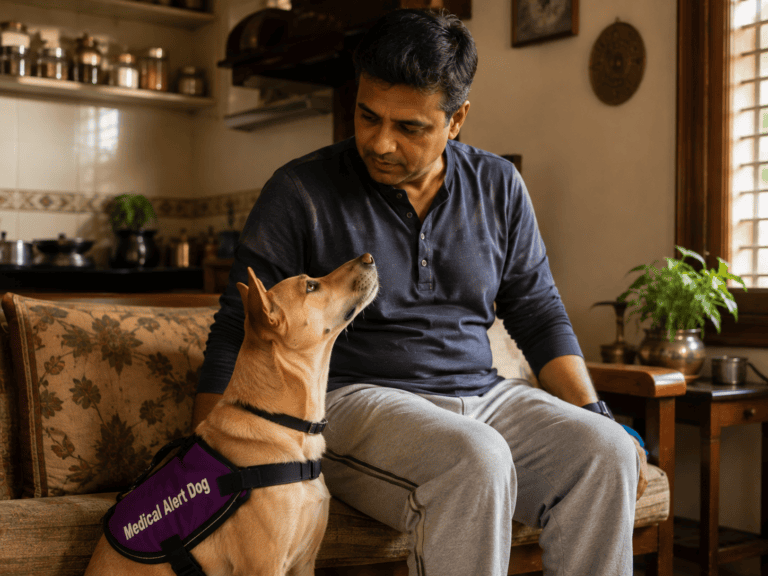
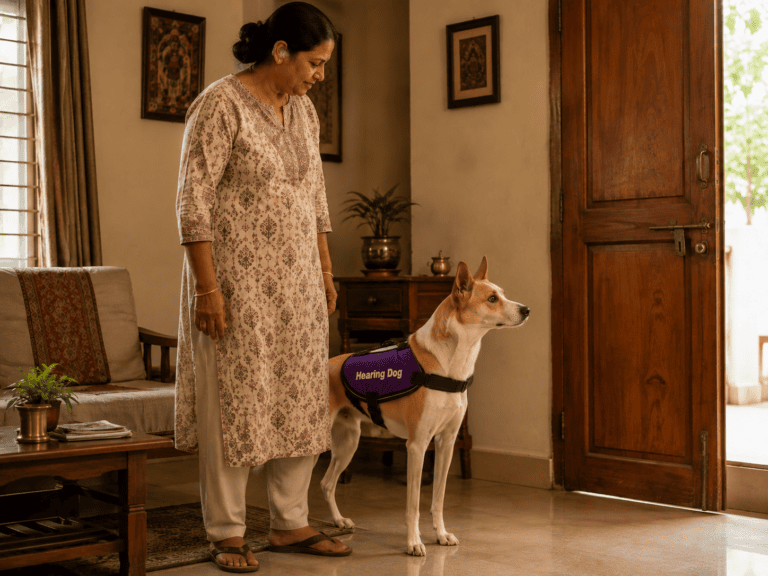
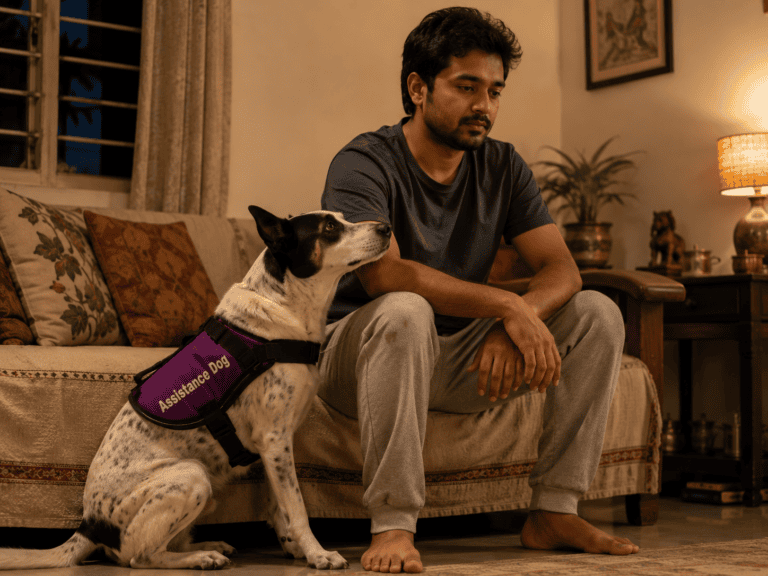
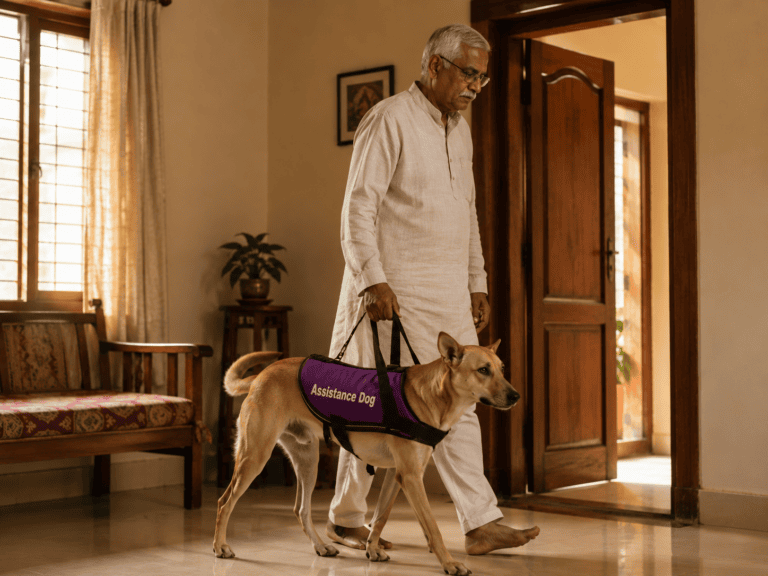
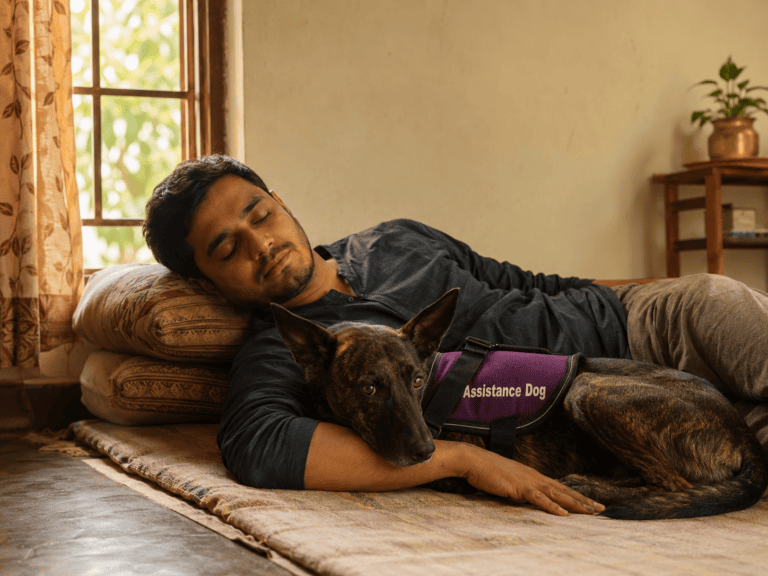
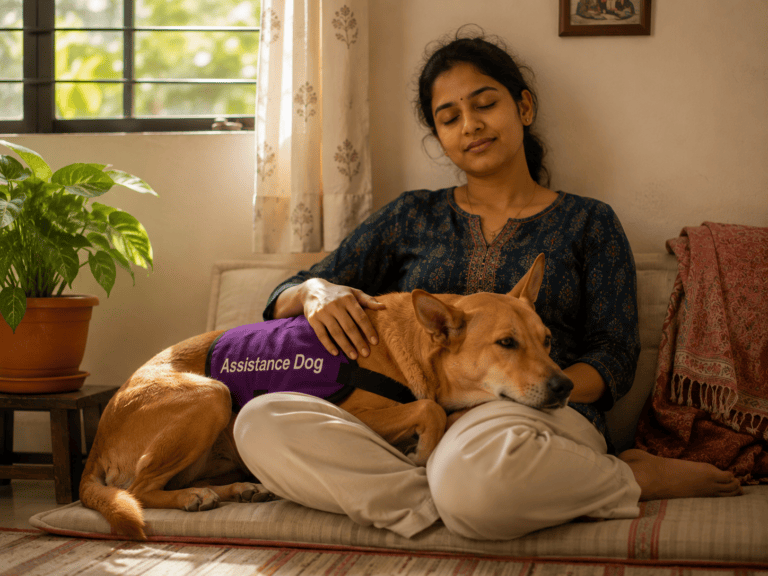
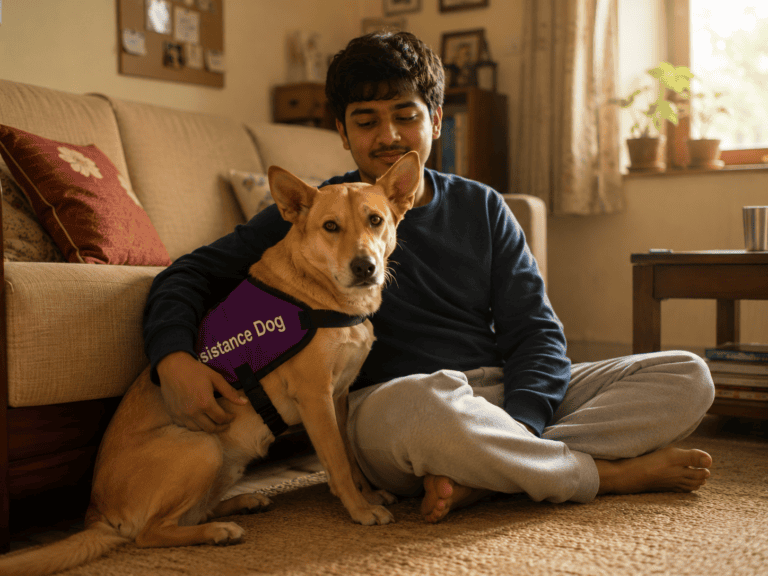
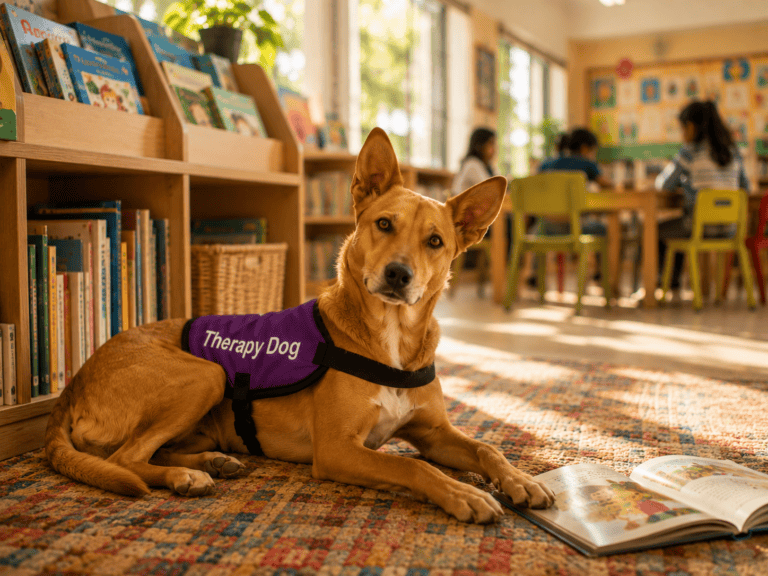
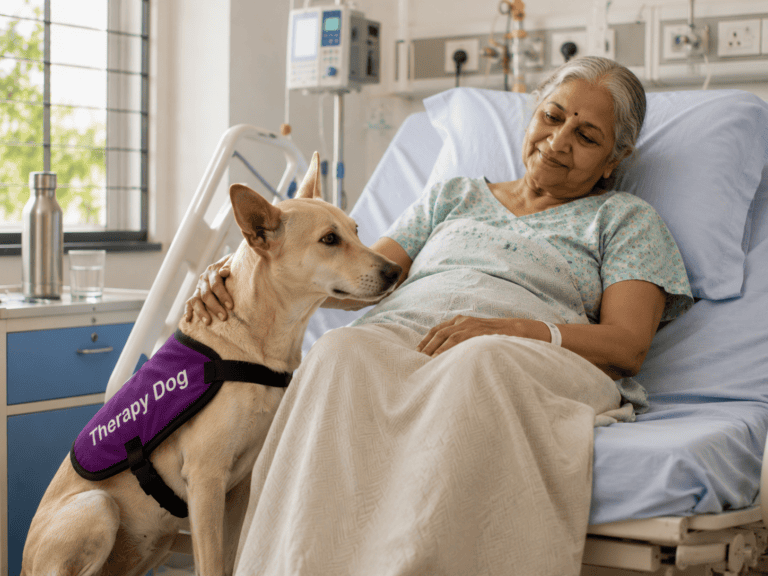
Assistance dog placement, particularly in established programmes around the world, generally goes further still, adding more specific requirements: a defined set of disability-related tasks the dog must perform reliably, a structured matching process between dog and handler, and follow-up support built into the relationship for years afterward. Not every organisation runs this process identically, and therapy dog work has its own, somewhat different standards rather than a disability-specific task list. Our own programme sits closer to this end of the scale for our Cohort 1 dogs, but not every dog we rescue ends up here, and that is exactly the point.
Not every dog needs to have a job
Purpose does not mean finding a use for every dog. It means understanding a dog well enough to find the life it can actually thrive in, and being honest when that life does not involve working at all. A dog can be excellent, trainable and full of potential, and still not be the right fit for assistance or therapy work. It might be too sensitive to loud, unpredictable hospital corridors, better suited to a quiet home than a school reading corner, or simply happiest without a working role attached to it at all.
None of that makes a dog a failure, and we think it is important to say that plainly rather than only celebrating the dogs who do go on to formal roles. Our responsibility is to find the right outcome for a dog, not to justify months of training by pushing a dog into a role that does not actually suit it. A dog who becomes a much loved family companion has had just as successful an outcome as one who becomes a working assistance dog. They are simply different outcomes, both good ones.
Purpose runs in both directions
Rehoming with purpose is not only about assessing the dog. It also means genuinely understanding the person or setting on the other side of the match: what their disability-related needs actually are, what their home and daily routine look like, whether they can sustain the dog's training, care and working routine over the years, and what kind of support they will need after the dog arrives. A good match is not a dog handed over and left to work itself out. It is closer to the start of a relationship both sides have been prepared for.
Why we think about it this way
Every one of our Cohort 1 dogs came to us as a rescued Indie with no fixed future written in advance. Some are heading clearly toward assistance or therapy roles. Others may end up somewhere different, and we would rather say that honestly than quietly imply every dog in our care is destined for formal working life. Rehoming with purpose, to us, means refusing to assume a rescued dog only ever has one possible future, and taking the time to actually find out which future fits.
Adoption asks whether a dog has a home. Rehoming with purpose asks whether we can find the right home for what that dog can become, whether that turns out to be a family looking for a companion, a person who needs an assistance dog, or a carefully selected facility seeking a trained dog-handler team for an approved programme. "Purpose" describes the questions we ask and the process we follow. It does not promise that every dog will become an assistance or therapy dog. The purpose was never to make every dog a working dog. It is to stop assuming, before we even get to know the dog, that we already know the answer.