The once-in-a-lifetime bond, in plain words
A heart dog is the dog who gets all the way in. Not just the dog you love, feed, take to the vet and worry about when they are unwell, but the one who seems to understand you in ways you cannot quite explain. Their presence can bring a particular kind of ease. Every dog you love becomes part of your life. A heart dog becomes part of who you are.
The term is used mostly informally by dog lovers, especially online. It has no formal definition, and we have not identified a researcher or professional body that coined it. It is also not about the best-behaved or most impressive dog. Heart dogs can be anxious, stubborn, or rescues with difficult pasts. The bond is not about ease. It is about resonance - the sense of being understood rather than managed.
The science of the human-animal bond offers some context without fully explaining it. One well-known study (Nagasawa and colleagues, 2015) found that a dog's gaze raised its owner's urinary oxytocin, which was in turn associated with higher oxytocin in the dog - a gaze-mediated feedback loop between the two. The authors' wider evolutionary interpretation has been questioned in later commentaries. The study does not show that every dog-owner relationship follows this pattern, or that an unusually deep bond can be explained scientifically. The specific pairing of this dog and this person is something research only partly captures.
A heart dog is not just a beloved pet. It is the dog whose presence changes how you move through the world, and whose absence leaves a shape in you that nothing quite fills.
Two names for much the same bond
People also say "soul dog", and many dog lovers use the two in similar ways. Both are informal community terms for the same rare depth of bond, and neither has a formal definition.
If there is a difference, it is one of emphasis, and not everyone feels it. "Soul dog" often carries a sense of timing and purpose - the dog who arrived during a hard stretch, as if sent. "Heart dog" tends to be used for the bond itself - its depth, and the way the dog stays with you. The same dog is often both. People also disagree on whether you can have more than one. Nobody can say how many you are allowed, and the second one is not less real because there was a first.
Soul dog: the one who arrived when you needed them. Heart dog: the one who never really left. Often, they are the same dog.
Why the grief is bigger than people expect
Research on pet loss suggests that the strength of the attachment is associated with the intensity of grief. In one study, both attachment anxiety and the strength of the past bond with the pet independently predicted more severe grief, and a review of continuing bonds after pet loss found that such bonds can deepen grief, particularly when others do not recognise the loss, but can also ease it. Grief varies between individuals. That fits what people report: losing a heart dog is not only losing a companion, it is losing a way of being in the world that this particular dog made possible - a kind of ease, or safety, or joy that belonged to their presence.
Many people feel embarrassed by how deep this grief goes, especially when others do not understand it. It is not out of proportion. It matches what the bond was. Some people find another dog grows to fill part of the space left behind, and others carry it. Neither is wrong.
The name we chose, and what it asks of us
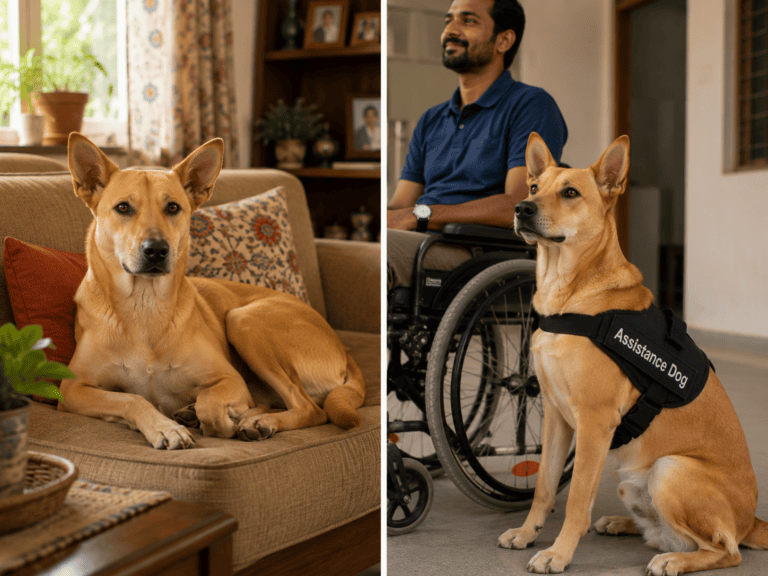
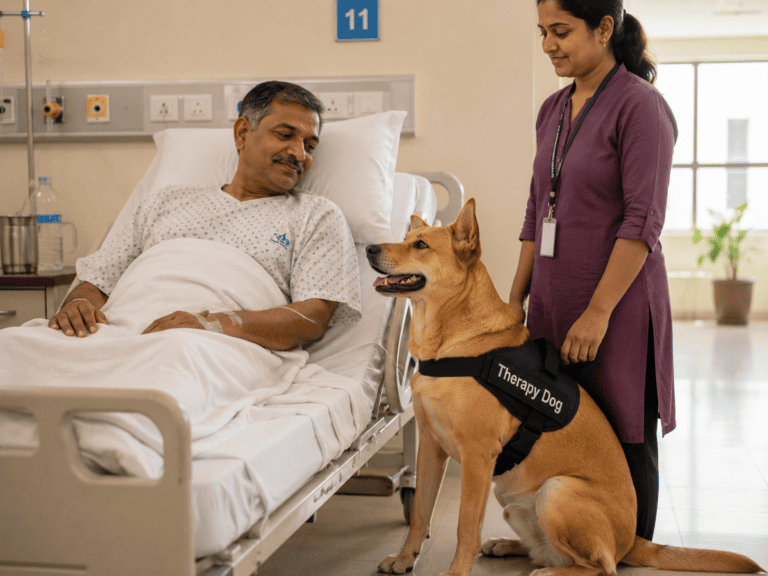
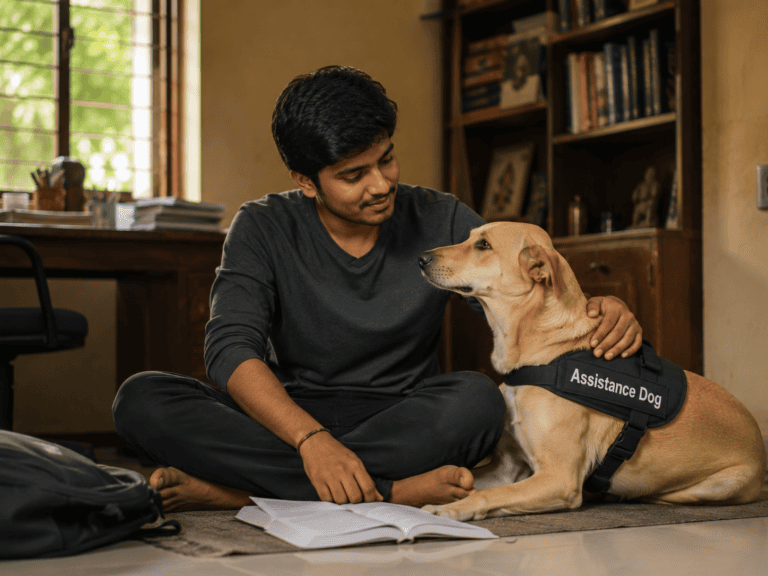
HeartDogs Enablement Foundation is building a programme in India that trains rescued Indie dogs, India's native landrace dogs, as assistance dogs (called service dogs in the US) and therapy dogs for people with disabilities. Women in rural India do the training as paid foster-trainers. We chose the name deliberately, with the heart dog idea in mind.
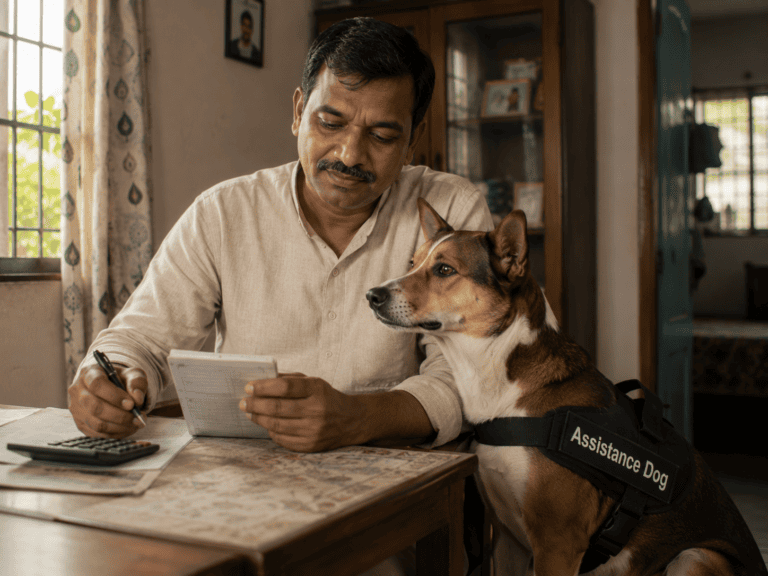
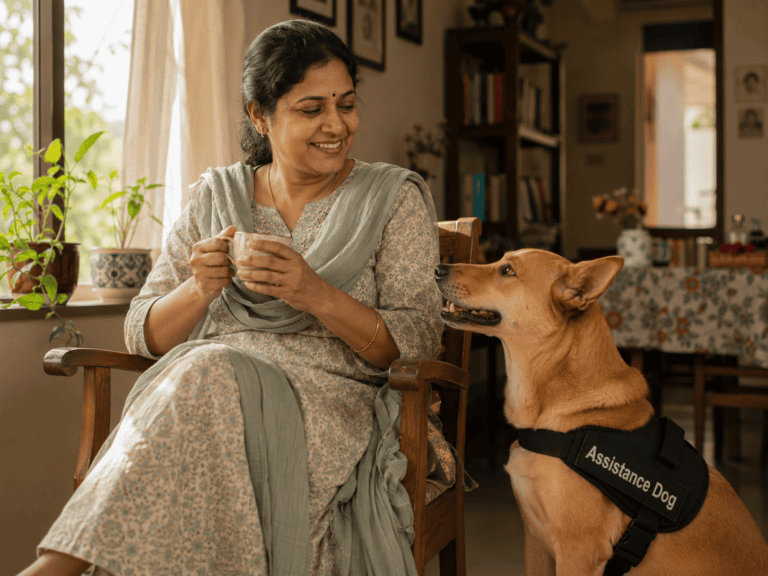
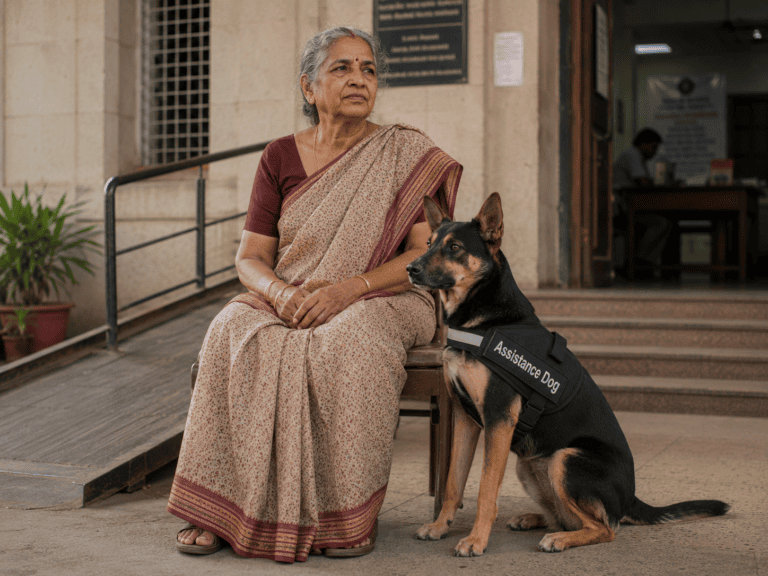
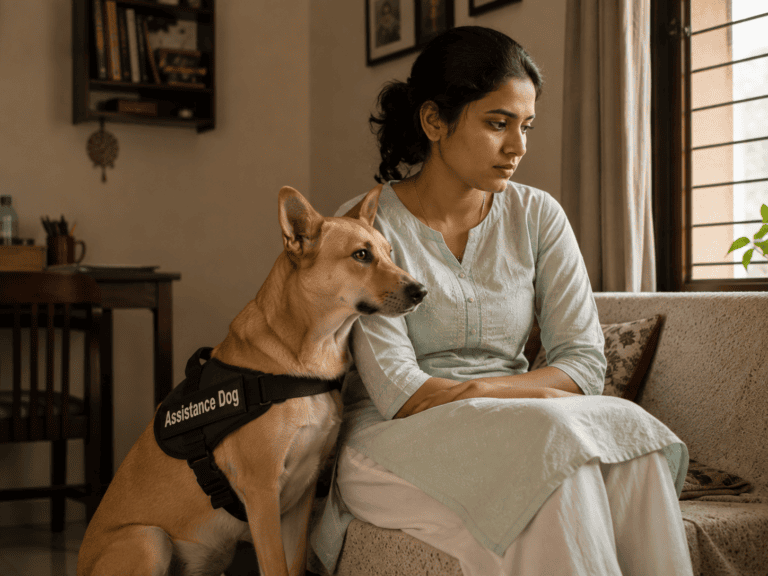
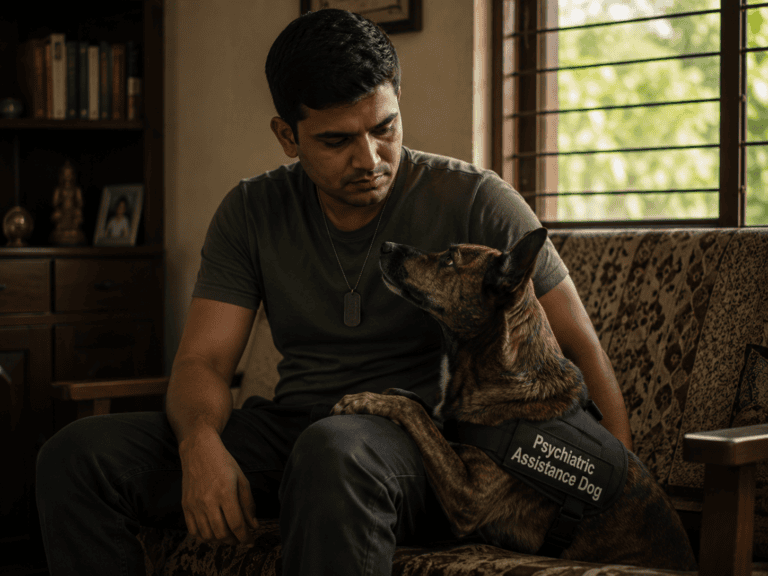
For someone without a disability, a heart dog makes life warmer and richer. For a person who depends on a trained dog, the bond and the work cannot be pulled apart. A dog that interrupts a flashback, provides a trained response during distress, or reminds someone to take their medication is doing a job, and it does that job inside a relationship. The bond is part of the working relationship. Trust, familiarity and a dog's responsiveness can matter greatly, alongside reliable task performance, appropriate training and a careful match between the dog and the person. Not every assistance dog performs the same tasks, and no dog works perfectly in every situation.
We want every dog we place to have the best possible chance of becoming a heart dog - not just a trained animal, but a partner who goes all the way in.
One name for the dog, the bond and the work
Inside our programme, HeartDog means an individual dog trained for work as an assistance or therapy dog. Each is a rescued Indie, raised by a foster-trainer in a real home in rural Karnataka, with families and children around, not in a kennel. Assistance dogs are trained for disability-related tasks relevant to the person they will work with. Therapy dogs are prepared for appropriate, safe interactions in the settings they will visit. We set a minimum deployment age of 18 months.
We should be honest about what we can and cannot promise. A heart dog bond is not something that can be trained into a dog or guaranteed for a placement. What a programme can do is create the conditions for it: a dog raised in close daily contact with people, trained gently, assessed carefully, and matched to a person with attention to temperament and need. Some placements will become heart dog bonds, and some will be good working partnerships that are less intense. Both are worth having, and we will not pretend otherwise.
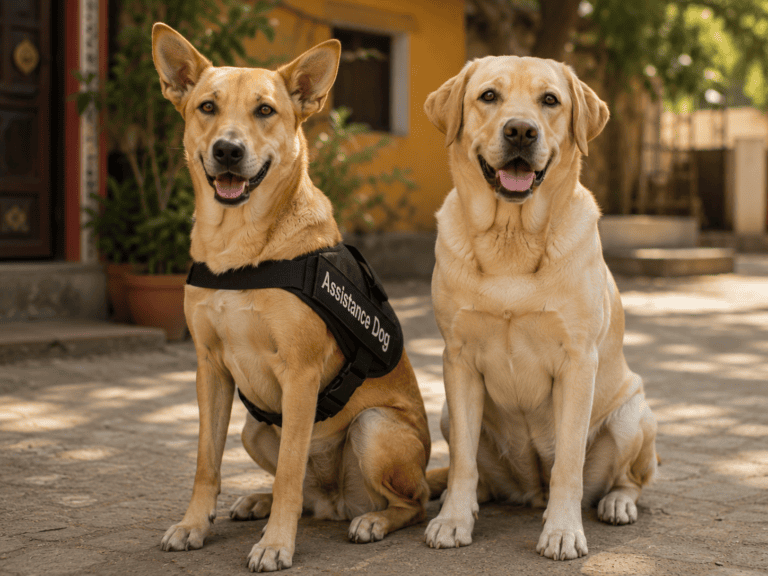
The Indie is a native Indian dog type with a long history of living alongside people. Unlike modern pedigree breeds developed for particular working roles, the native landrace has largely been shaped by natural selection rather than narrowly targeted breeding. Individual temperament, however, varies. That is why careful assessment, socialisation and task training matter more than assumptions about breed or type.
Names chosen with intention
Every dog in our first cohort carries a name chosen on purpose, drawn from Sanskrit, Swahili, Latin, Italian, Korean and Japanese. Each means something to us - a first, a beginning, something precious. Name meanings can vary by language and spelling, so these are the meanings we intended. They are names from across the world for dogs that we hope will change lives in India.
| Dog | Name means | In our words |
|---|---|---|
| Ádi | Sanskrit, "the first" | Velcro with fur |
| Hana | Korean, "one" | Chaos in a collar |
| Prima | Italian, "first" | Wonder without brakes |
| Zuri | Swahili, "beautiful" | Radar with whiskers |
| Nia | Swahili, "purpose" | Snacks before strategy |
| Nala | Our own meaning: "first drink of water" | Turbo with tail |
| Una | Latin, "one" | Bodyguard with butterflies |
| Jin | Japanese name; we chose it for "precious" | Hoover with heart |
The taglines are how we describe their personalities today, and they will change as the dogs grow. You can meet each of them, and watch their journey, in the stories of our dogs.
The gap between need and what exists
India has more than 26 million people recorded as living with disabilities in Census 2011, the latest census-based figure cited here. A trained assistance dog may be a meaningful support for some people, depending on their disability, needs and circumstances. India has general disability-rights and reasonable-accommodation provisions under the Rights of Persons with Disabilities Act, 2016, as well as some sector-specific rules, but we have not identified a comprehensive national framework that clearly establishes assistance dog standards and public-access rights across settings.
At the same time, India has large populations of free-ranging dogs, many of whom need safer living conditions and humane care, alongside women in rural India who can build skilled livelihoods through dog training. HeartDogs exists to connect these opportunities: a dog from a street or shelter, a trainer from a rural community, and a person who may benefit from a trained working dog. A heart dog, trained to help. A HeartDog, ready to go to work.