A nose built on a completely different scale
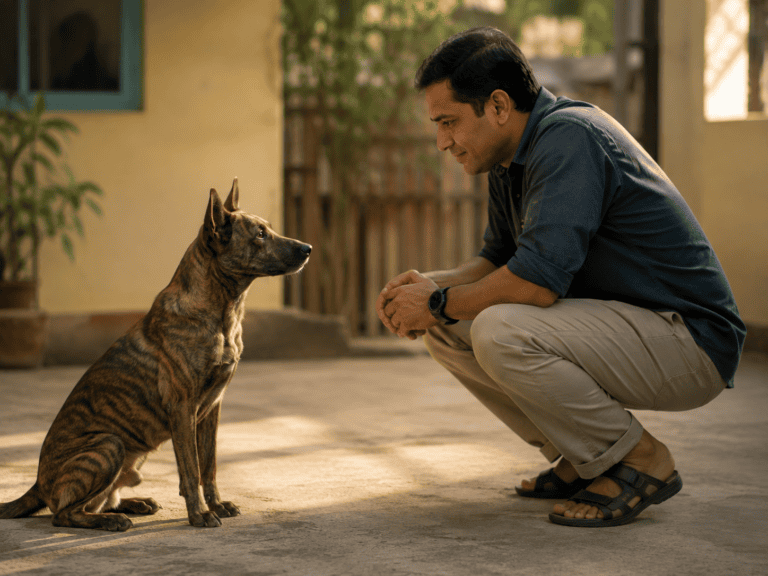
A dog's sense of smell is not simply a stronger version of ours. It is structurally different. Dogs devote substantially more neural and anatomical capacity to smell than humans do, with the olfactory bulb, the part of the brain that processes smell, commonly described as many times larger relative to the rest of the brain, though exact comparisons vary depending on what precisely is being measured and how. The olfactory epithelium inside a dog's nose, the smell sensing surface, is also much larger than ours and contains many more scent receptor cells, with estimates varying by breed and by measurement method, generally described as being in the hundreds of millions compared to a few million in a typical human nose. Dogs also carry a noticeably larger number of distinct olfactory receptor genes than humans do, giving them a wider range of chemical signatures they are physically able to distinguish.
This is not just about detecting fainter smells. Some studies of trained detection dogs suggest that, under particular experimental conditions, dogs may prioritise olfactory information over an available visual cue, suggesting that scent plays an especially dominant role in how a dog interprets its surroundings, in a way it simply does not for us.
A powerful nose still needs months of deliberate work
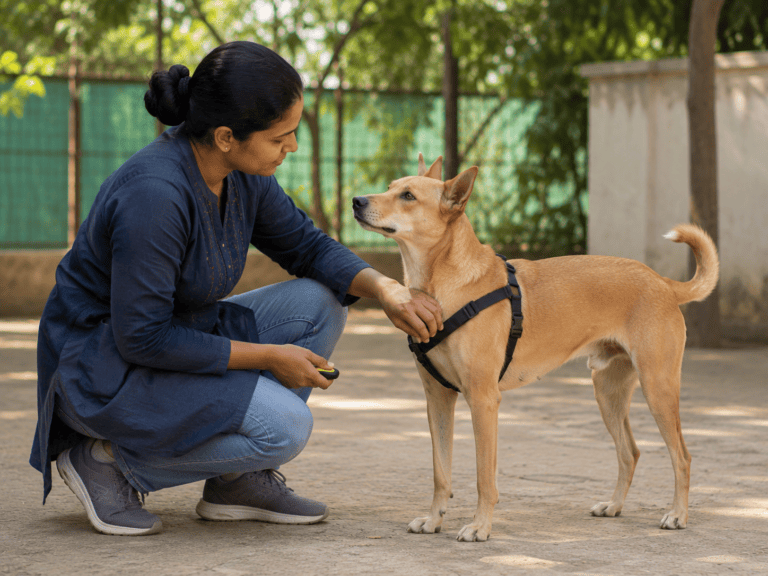
Having a sensitive nose does not automatically make a dog a reliable detection dog. Many detection dog programmes use a broadly similar progression, although the details vary by target scent, application and training organisation:
- Target scent introduction. The dog is repeatedly exposed to the specific scent it needs to recognise, alongside a clear reward, so it learns to associate that particular smell with something good happening.
- Alert behaviour. The dog is taught a specific, unambiguous signal to give when it detects the target scent, such as sitting, freezing, or nudging a chosen object, so a handler can clearly recognise a genuine alert.
- Generalisation. The dog practises recognising the same scent across different samples, environments and distractions, since a dog that only recognises one specific sample in one specific room is not yet reliable in the real world.
- Ongoing verification. Even after training, detection dogs are regularly retested against known samples to confirm accuracy has not drifted over time.
This structure shows up in published detection dog studies, including work training dogs to recognise specific bacterial infections in cattle. That particular study used reward-based training, and many modern detection programmes also rely on reward-based methods, though training approaches vary across organisations and applications. Training of this kind typically takes weeks or months, not days.
The same biology, applied to very different medical alerts
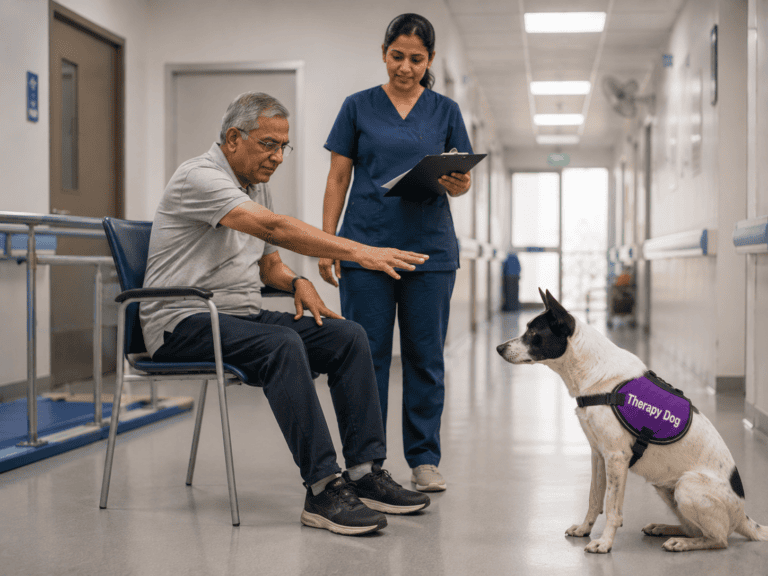
This is the biological foundation behind several of the assistance dog roles we have covered, or plan to cover, on this blog. Some seizure alert dogs, which we wrote about in an earlier FootNotes piece, may respond to odour or other physiological and behavioural changes associated with a person's seizures, although the exact mechanism is not fully understood and reliable seizure prediction remains an area of ongoing research rather than a settled science. Diabetic alert and allergy detection dogs, which we cover elsewhere, use trained responses to target odours too, though it oversimplifies things to treat them as identical: depending on the application, the target may be an odour associated with a physiological change, such as a shift in blood sugar, or the scent of an allergen containing substance itself, which is a meaningfully different detection task.
None of these applications is automatic. Each depends on deliberate training, a clearly defined target, and repeated testing to establish how reliably a particular dog performs, not simply on the species' general olfactory abilities.
Impressive biology does not mean guaranteed accuracy
It is worth being honest that scent detection research varies a lot in quality. A systematic review of dogs trained to detect a specific virus during the COVID-19 pandemic found real, encouraging accuracy in the best designed studies, but also found many published studies had meaningful risks of bias. The review's authors called for standardisation and certification procedures comparable to those used in canine explosives detection, to be applied more consistently to medical detection work. This is a useful reminder for any scent based assistance role: the underlying biology is genuinely remarkable, but a specific dog's real-world reliability depends heavily on how rigorously it was trained and tested, as well as on the dog, handler and operating conditions, not simply on the species' abilities in general.
Why we start with the science
We think it is worth explaining the biology behind scent detection before writing about any specific medical alert role, because it makes clear that this work is neither mystical nor automatic. It is a real, measurable biological capability, built on for months through deliberate, patient training. Whenever we write about a specific kind of alert or detection work going forward, this is the foundation we are building on, and we would rather our readers understand that foundation than take any single dog's abilities on faith.