One of the oldest and most established assistance dog roles
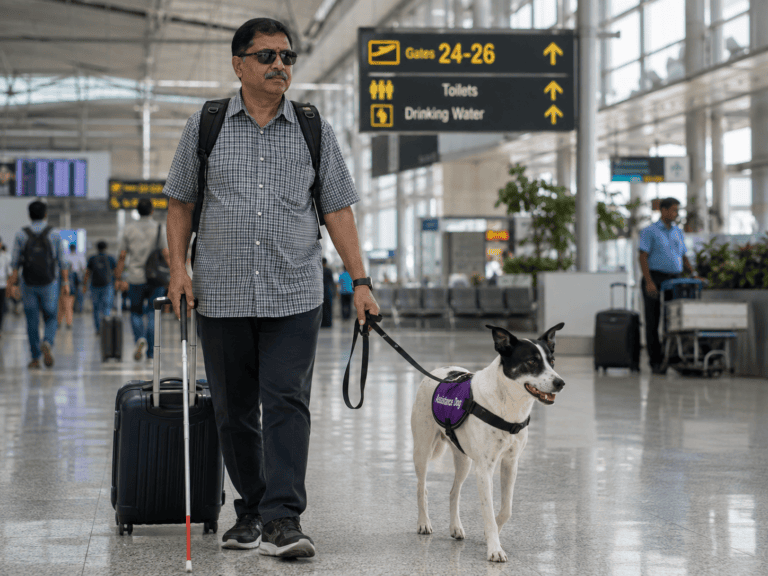
A guide dog is trained specifically to help a person who is blind or has low vision move safely through the world, avoiding obstacles and navigating routes. This is one of the earliest organised assistance dog roles in the modern sense. Guide dog schools were first established in Germany during and after the First World War, to assist veterans who had been blinded in combat. In the United States, the most influential early milestone was Buddy, a German Shepherd trained in Switzerland and paired with Morris Frank, a blind American, in 1928. Frank and Buddy famously crossed a busy New York street together in front of a crowd of journalists, and the demonstration helped lead to The Seeing Eye, incorporated in Nashville, Tennessee, in January 1929 and later relocated to New Jersey, one of the oldest guide dog organisations still operating today. Because guide-dog work was established earlier than many other assistance-dog roles, and has had roughly a century to build training standards, public recognition and legal protection, it remains the best known and most widely understood of these roles by a considerable margin.
A newer role, formalised roughly half a century later
A hearing dog is trained to alert a person who is deaf or hard of hearing to specific sounds, such as a doorbell, a smoke alarm, a phone ringing, or their name being called, typically by nudging or pawing the person to direct their attention. Unlike guide dogs, it is not clear who trained the very first hearing dog, but the concept spread quickly once it caught on. Early organised hearing dog programmes appeared in the 1970s, including a programme in San Francisco in 1975. In the UK, Hearing Dogs for Deaf People officially launched at Crufts in 1982 as a three-year pilot scheme, decades after guide dog work had already become an accepted, well-established role.
The later development of hearing dog programmes is one factor that may help explain why hearing dogs remain less familiar to the general public than guide dogs, though public awareness can also reflect population size, media exposure and how visibly a role like navigation shows up in everyday public life. Hearing dogs are usually selected for a stable, sociable temperament. Training duration varies by organisation and dog, but the process generally involves teaching the dog to distinguish specific target sounds from ordinary household noise, and then to physically alert the handler once a target sound occurs.
The umbrella term used as the field expanded
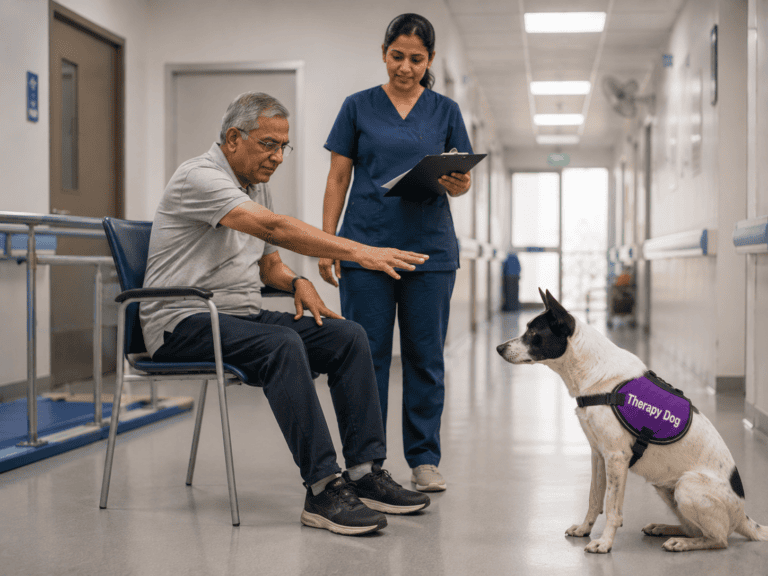
Guide dog programmes were established earlier and became the most visible, organised assistance dog model. Other task-trained roles developed over time, including mobility, hearing, medical alert and psychiatric assistance work, eventually making a broader umbrella term genuinely useful. Assistance Dogs International currently uses assistance dog as a generic term for a guide, hearing or service dog trained to perform three or more tasks that mitigate the effects of a person's disability. That three-task threshold is ADI's own organisational definition, not a universal legal requirement. ADI's definition excludes dogs trained only for protection, personal defence or comfort from its assistance dog category.
In the United States specifically, this broader legal recognition arrived even later than the umbrella terminology itself. The Americans with Disabilities Act of 1990 brought broad federal civil-rights protection for people with disabilities, including access protections for service animals. The original regulations referred to guide dogs, signal dogs and other individually trained animals; the current ADA regulations define a service animal more narrowly, as a dog individually trained to do work or perform tasks directly related to a person's disability. Before the ADA, guide dogs had a longer and more established history of specific access protections, while other assistance dog roles generally had less consistent legal recognition.
Three terms, three different scopes
- Guide dog. A specific role. Supports a person who is blind or has low vision with safe navigation. The oldest, most established, most publicly recognised category.
- Hearing dog. A specific role. Alerts a person who is deaf or hard of hearing to important sounds. Newer, formalised decades after guide dog work, and still less familiar to the general public.
- Assistance dog. Not a specific role at all, but the umbrella category that guide dogs, hearing dogs, and other task-trained working dogs all sit underneath.
A simple way to hold onto this: every guide dog and every hearing dog is an assistance dog, but not every assistance dog is a guide dog or a hearing dog. Using "guide dog" as a generic stand-in for any working dog, which happens often given how well known the term is, actually erases the real, separate roles that hearing dogs and other assistance dog categories perform.
Why we think this history matters, not just the definitions
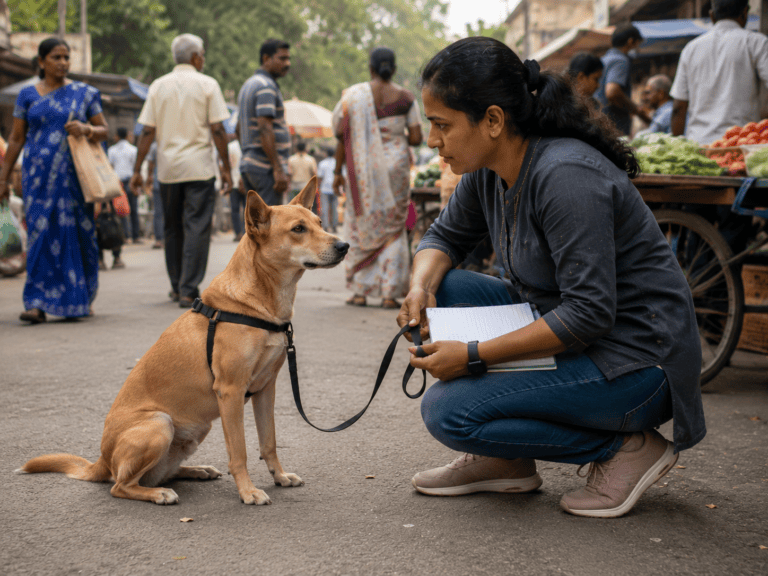
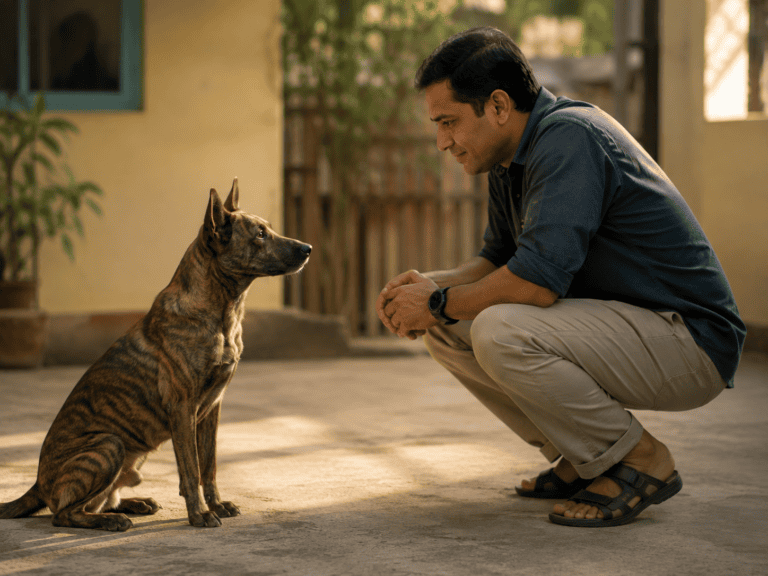
Understanding that hearing dogs took decades longer than guide dogs to become formally recognised is not just a historical curiosity. It is a reminder that public understanding of any assistance dog role tends to lag well behind the actual need for it, sometimes by a generation or more. India today may be at an early stage in building public recognition, training standards and infrastructure for newer assistance dog roles. Indies may be suitable for some assistance dog roles when individual temperament, health, trainability and task fit are carefully assessed, but a specific role like this still needs deliberate work to build recognition, training standards and public understanding from a much earlier starting point.
This is part of why we think precise language matters throughout this blog, not as pedantry, but because getting the terminology right is often the first, necessary step toward building a role that does not yet have the recognition, or the infrastructure, that guide dog work has had a century to develop.