Why scale is genuinely difficult in this sector
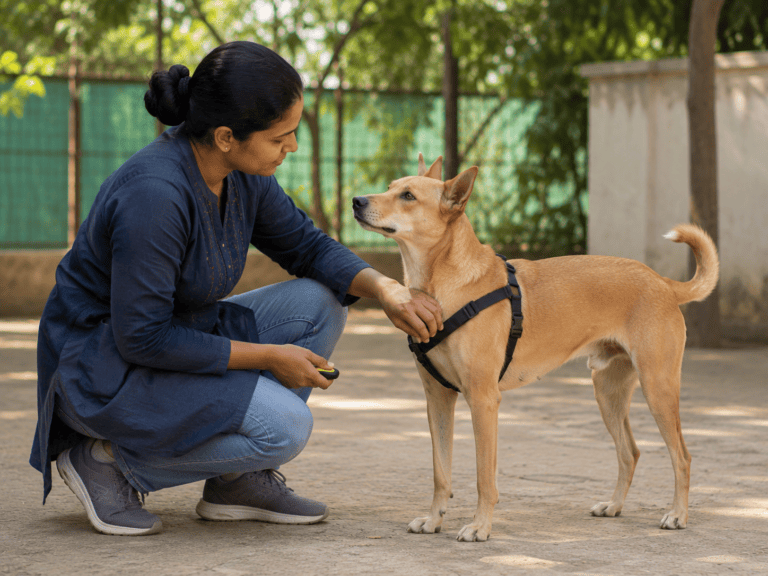
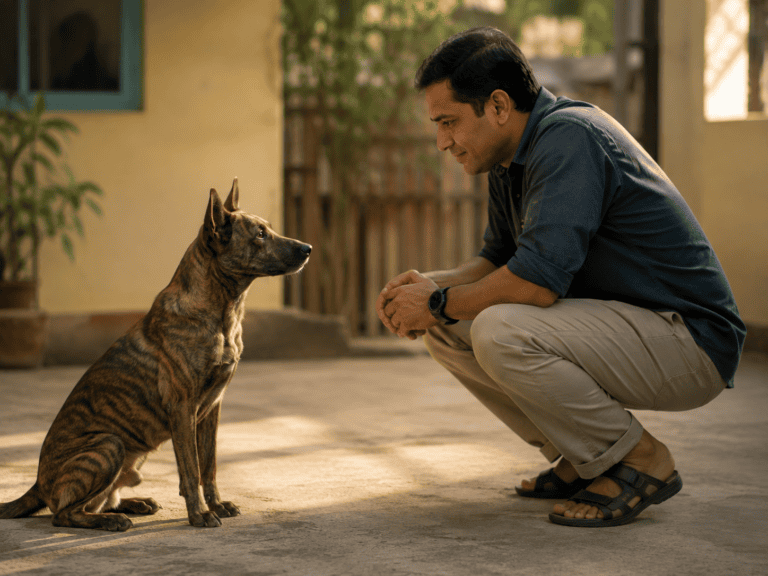
- Training takes time. A well-trained assistance dog takes 18 months to two years to prepare. That's not a number that changes with funding or enthusiasm. It's the nature of the work.
- Skilled trainers are scarce. India has very few people with the specific expertise to train and assess assistance dogs to a reliable standard. Building that knowledge base takes years, not months.
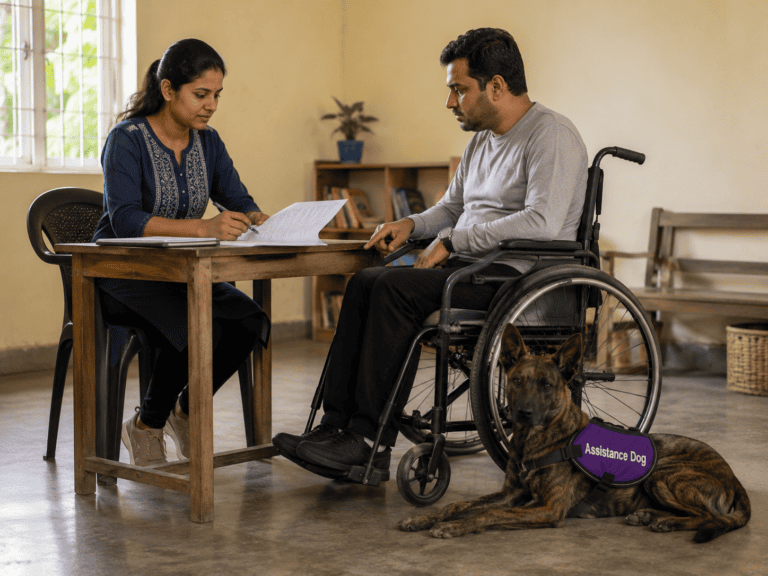
- Each placement needs follow-up. A responsible programme doesn't end at placement. It monitors the dog, supports the family and intervenes when things aren't working. That ongoing relationship is what makes a placement successful, and it adds to the cost and capacity of running a programme at any size.
What scale could actually look like in India
Scale in this context doesn't have to mean thousands of dogs in a few years. It means building a model that others can replicate - across cities, across NGOs, across different disability contexts - without each new programme having to start from scratch.
A few things make this more realistic for India than it might seem.
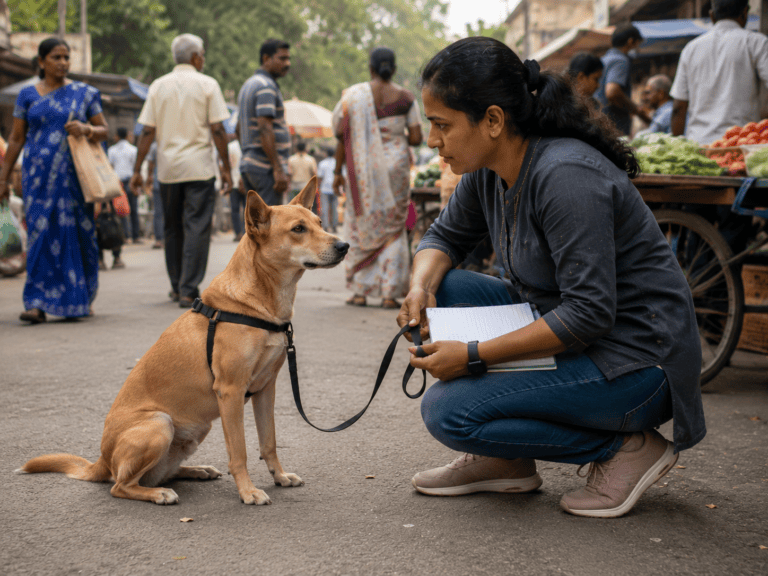
- Indies are everywhere. India's shelters and rescue organisations have far more dogs than they can place. The constraint isn't finding suitable dogs - it's building the training capacity to work with them.
- The foster-trainer model distributes the work. Instead of concentrating all training in one facility with a small team of specialists, training in real homes with women in rural India spreads the daily workload across multiple households. Scale becomes a question of how many foster-trainers a programme can support and supervise, not how big a kennel it can build.
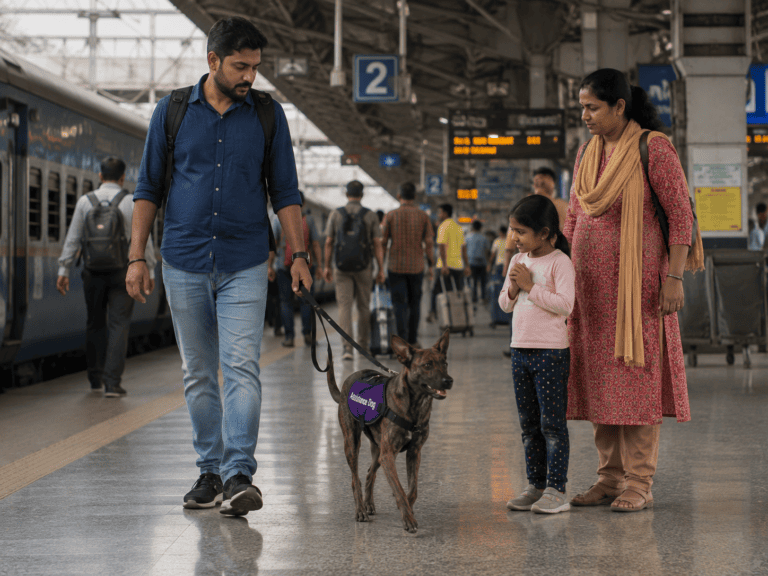
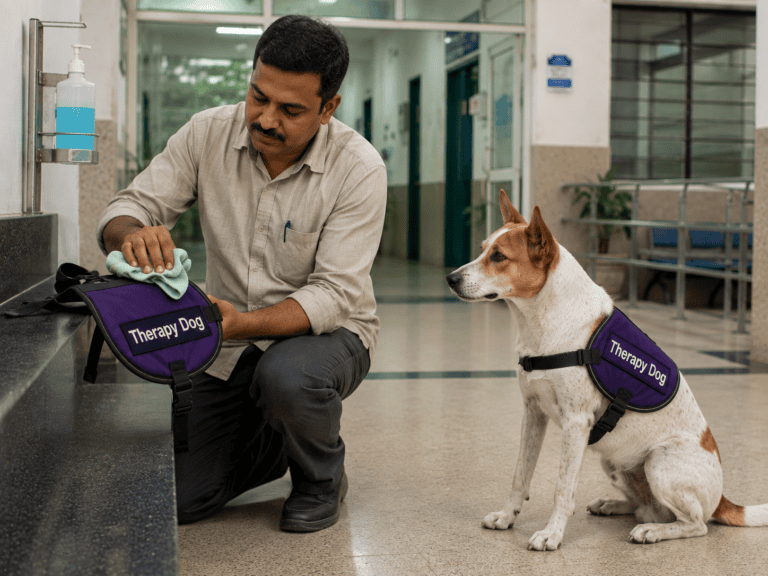
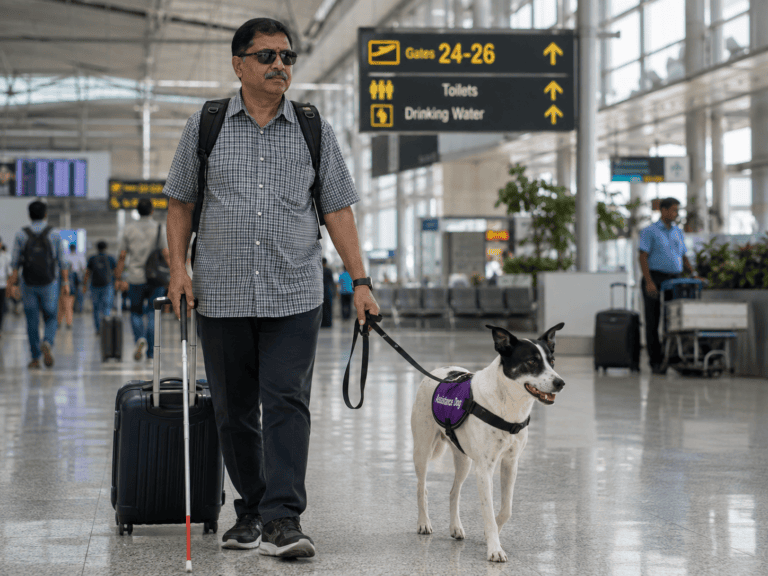
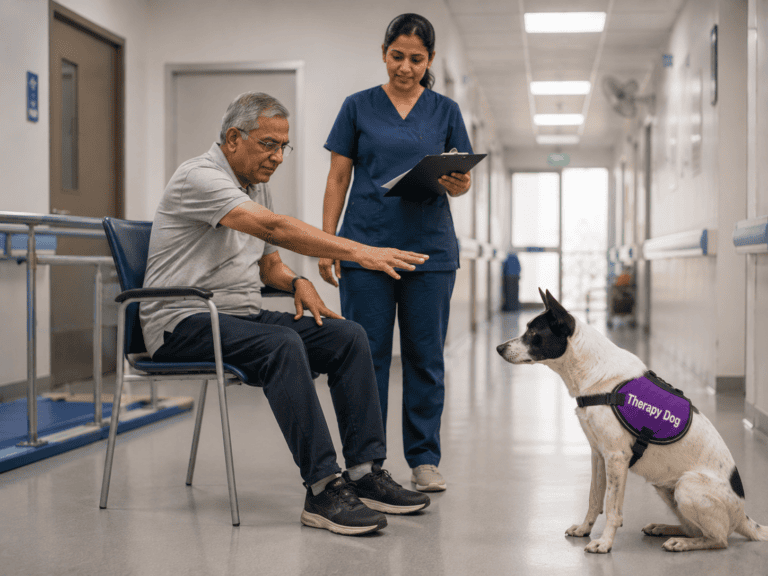
- Therapy placements can come first. India has no public access law, infrastructure, or universal acceptance for assistance dogs, which means a full task-trained assistance dog working independently alongside one person in public spaces is still an uphill journey. Therapy dogs working inside institutions - schools, hospitals, care homes - face fewer of these barriers. One dog serves many people in a setting that has already agreed to the arrangement. That makes institutional therapy placements a more immediately replicable starting point.
- The model can be replicated. Once the training methodology, assessment framework and placement protocols are established and proven, other organisations can build on them.
Scale doesn't mean rushing
A poorly trained assistance dog placed with a family in need isn't a success story - it's a setback for the family and for the entire concept of working dogs in India. The sector grows in credibility by doing fewer things well, not more things quickly.
What we are doing about it
HeartDogs is focused on building the foundations first - a training methodology that works, a foster-trainer model that is replicable, and a track record that other organisations, funders and institutions can trust. Scale follows credibility. And credibility takes the time it takes.