Where the worry comes from
In India, most people's reference point for dogs is a street dog - an animal that may be unvaccinated, has parasites, and roams in potentially unsanitary conditions. That image is hard to shake, even when the dog in question is a trained, health-screened assistance dog living in a clean home.
There's also a cultural and religious dimension. Many Indian households consider dogs ritually impure in certain spaces - the kitchen, the prayer room, or around food. These are real, legitimate concerns that any programme working in India needs to understand and respect.
What research on therapy and assistance dogs in hospitals actually shows
Countries with active therapy and assistance dog programmes have studied this question carefully. The picture is nuanced but broadly reassuring when protocols are followed.
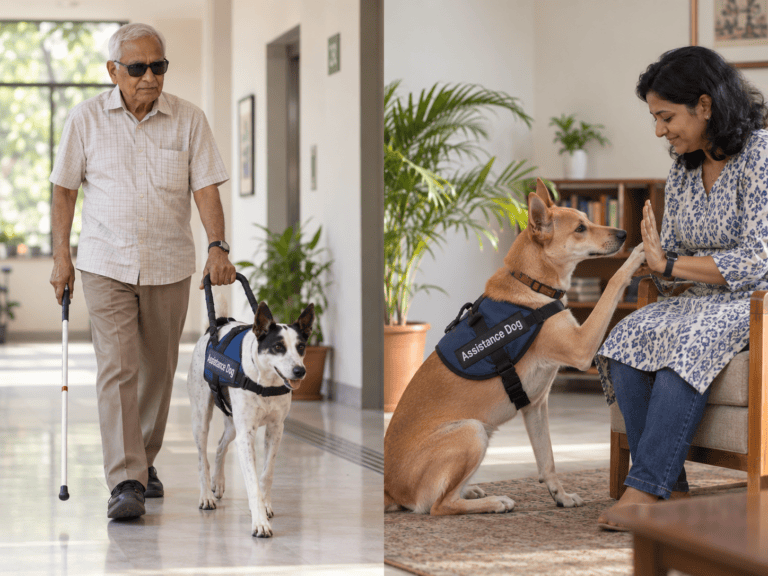
- The risk is low when protocols are in place - but not zero. Research on canine-assisted interventions in hospitals consistently shows that the risk of infection transmission is manageable with the right precautions. Studies have found that bathing therapy dogs with an antiseptic shampoo before hospital visits can reduce MRSA risk by up to 90%. The risk isn't eliminated - it's managed, just as it is with any hospital visitor or piece of equipment.
- Protocols make the difference. In hospital settings, therapy and assistance dogs follow strict hygiene protocols - bathing before visits, regular veterinary health checks, handler hygiene, defined areas of access. ICUs that have introduced therapy dog programmes report no infections attributed to therapy animals when standardised protocols are followed.
- Immunocompromised patients require extra caution. Hospitals restrict animal access in certain wards - intensive care units, oncology wards, neonatal units - where patients have very low immunity. Responsible assistance and therapy dog programmes follow this without exception.
What about assistance dogs in family homes?
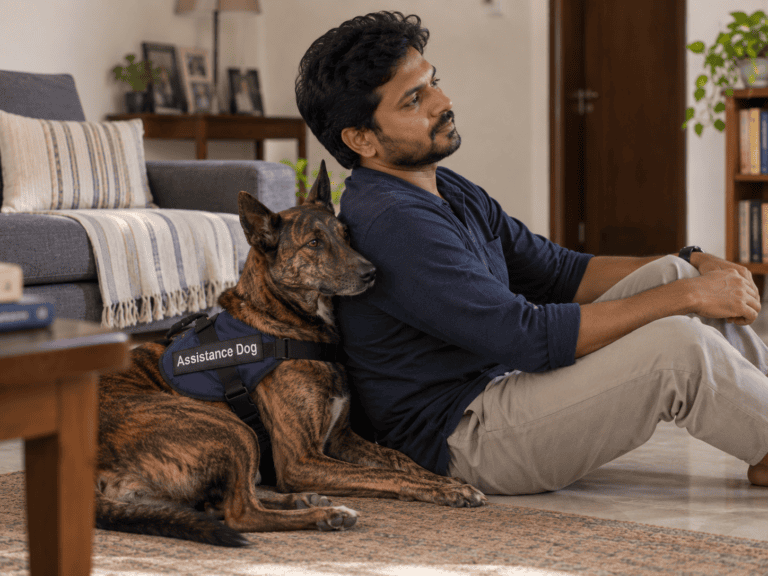
For assistance dogs placed in family homes, the hygiene question is slightly different. The dog lives in the home, not visiting it. This means the family's own habits, the dog's routine care and the veterinary maintenance schedule all matter more than a one-off hygiene protocol.
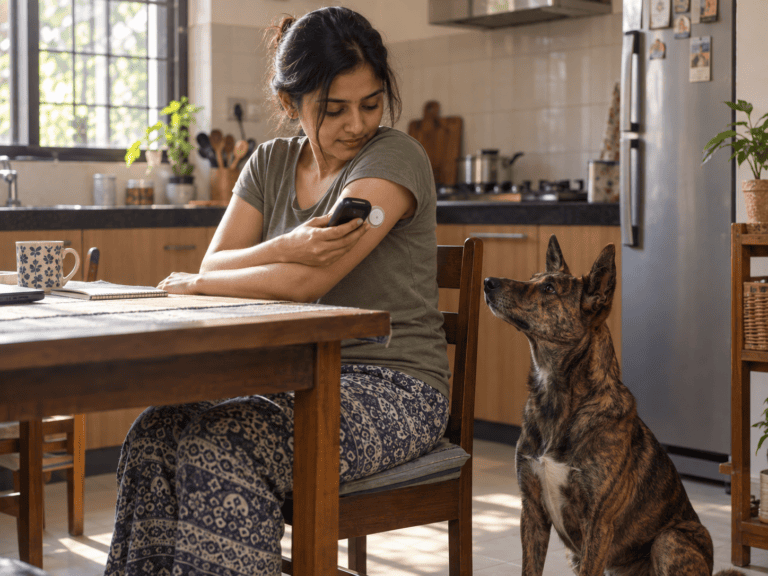
A well-cared-for assistance dog in a home is not a hygiene hazard. Millions of Indian families already live comfortably with dogs. The difference with an assistance dog is that its care is structured, documented and monitored as part of the programme.
What about cultural and religious concerns?
These are not hygiene concerns in the medical sense, but they are real concerns that affect whether a family or institution will accept an assistance or therapy dog into their space. HeartDogs takes this seriously.
Assistance and therapy dog placement works best when the family actively wants the dog in their home, understands what it does, and has chosen to accept it as part of daily life. It is never a situation where a dog is placed without the family's full knowledge and consent. If a family has strong cultural or religious reasons for not wanting a dog inside certain spaces, that shapes how the programme works with them - not whether they qualify.
What we do about it
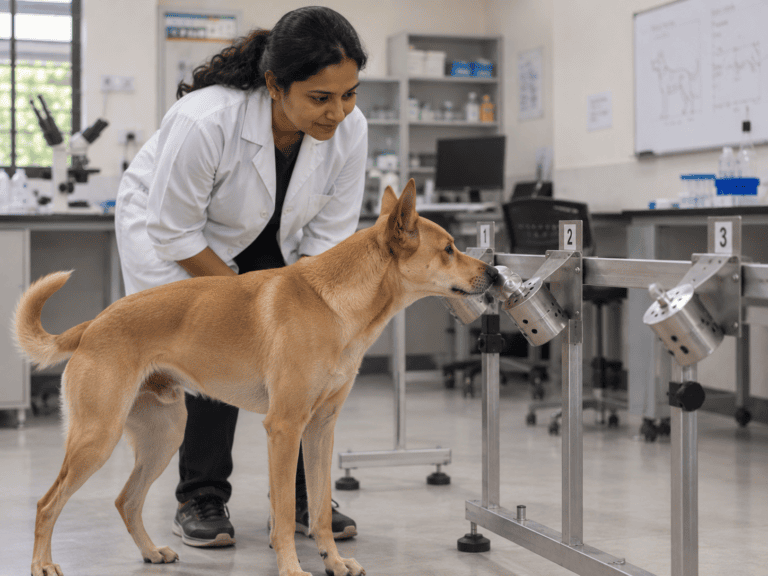
Every assistance and therapy dog in the HeartDogs programme is vaccinated, regularly dewormed and health-monitored throughout its training. The dogs live in real homes with foster-trainers, not kennels, which means they're already used to a domestic environment and the hygiene routines that go with it.
When it comes to institutional placements in hospitals or schools, we work with the institution to understand their specific concerns and protocols before any dog enters the building. The goal is to make the process feel manageable and well-supported, not to override legitimate concerns with enthusiasm.