What the official figures say
The most commonly cited figure comes from India's 2011 Census, which recorded approximately 26.8 million people living with a disability - roughly 2.2% of the population at the time. The 2011 Census was the first to collect disability data across all districts in India.
A more recent figure comes from the Unique Disability ID (UDID) portal, a government system that issues disability certificates. The number of registered persons with disabilities on this portal remains well below the Census figure, reflecting how many people still haven't accessed the formal system.
Why independent estimates are much higher
The World Health Organisation estimates that approximately 15% of the world's population lives with some form of disability. Applied to India's population, that would suggest over 200 million people - nearly eight times the official Census figure.
Several factors explain this gap.
- The Census definition is narrow. The 2011 Census counted only people with significant, visible impairments across a limited set of categories. Conditions like chronic pain, psychiatric disabilities, autism, learning disabilities and many invisible conditions were either excluded or severely undercounted.
- Stigma suppresses reporting. Many families do not disclose disability, particularly mental health conditions or intellectual disabilities, due to social stigma. A Census enumerator asking the question at the door does not always get an honest answer.
- Rural access to diagnosis is limited. A large proportion of India's population has never received a formal diagnosis for conditions they live with. Without a diagnosis, a person doesn't appear in any official count.
- The RPWD Act added 14 new disability categories in 2016. The Census predates this expansion. Many people now legally recognised as having a disability were not counted in 2011 under the old seven-category framework.
What the numbers look like by type
From the 2011 Census data, the breakdown across disability types was roughly:
- Visual impairment - the largest category, affecting close to half of all people counted
- Locomotor/movement disability - the second largest
- Hearing impairment
- Mental illness and intellectual disability - significantly undercounted given stigma and diagnostic barriers
- Speech disability
- Multiple disabilities
The next Census, due in 2021 but delayed, is expected to use an updated framework. When it does publish, the numbers are likely to look very different.
Why the real number matters
The gap between 26 million and 200 million isn't just a statistical footnote. It shapes how much funding disability support receives, how much political attention it gets, and how urgently institutions treat the need for accessible infrastructure, education and employment.
A country that believes 2% of its population lives with a disability will invest very differently from one that understands the real figure may be closer to 15%.
The scale of the gap
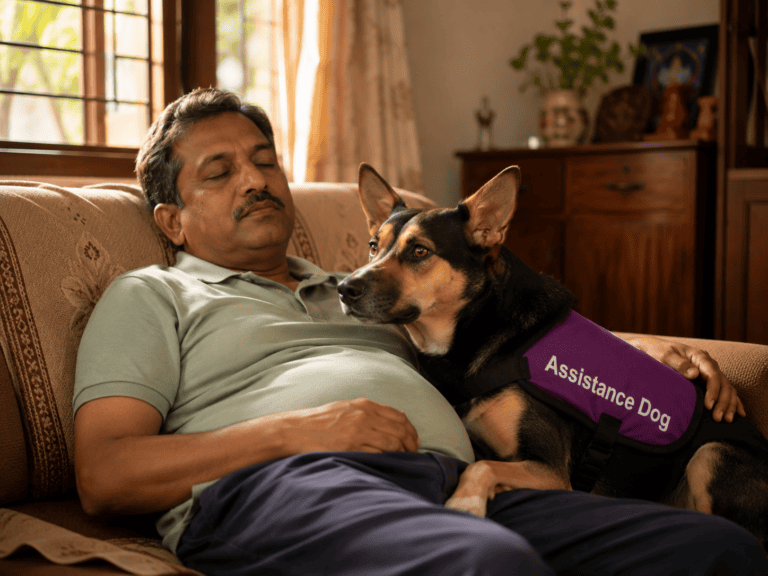
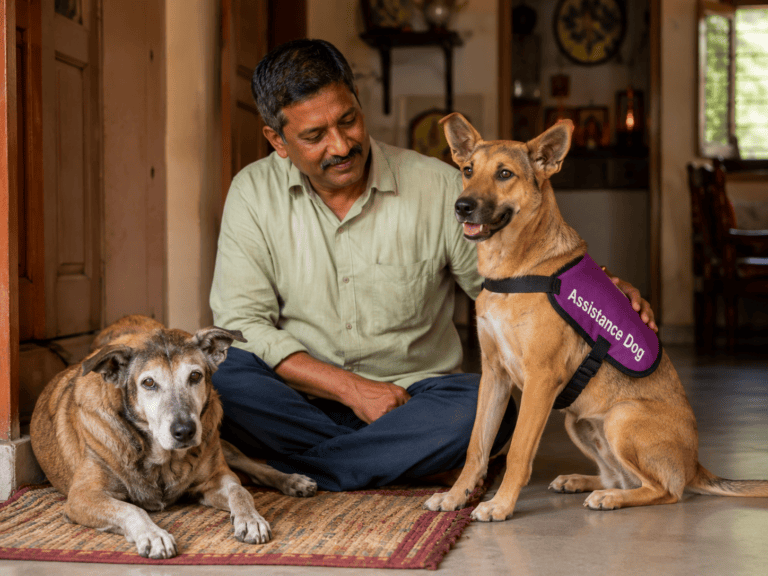
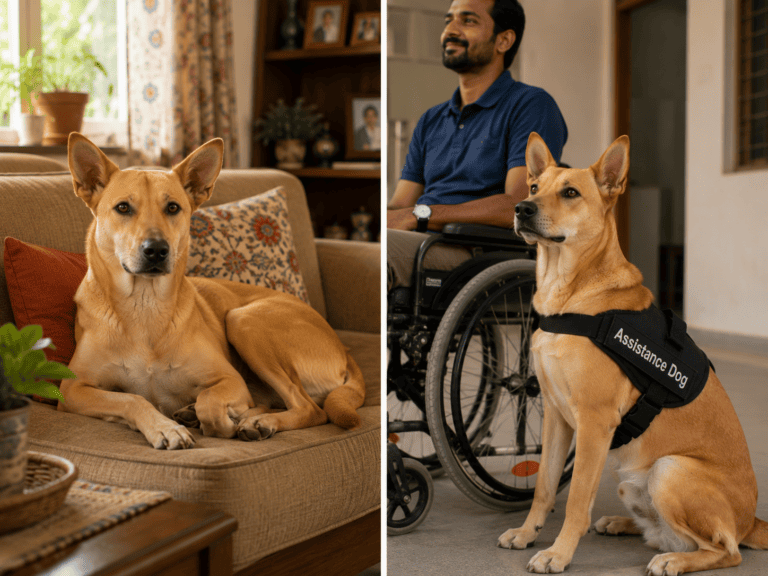
Even at the conservative official figure of 26 million, the potential need for assistance dogs (also known as service dogs) in India is enormous. At the more realistic WHO-aligned estimate, it is almost incomprehensibly large. India currently has almost no trained assistance or therapy dogs to speak of.
The scale of the gap is not a reason for despair. It's a reason to start building, carefully and credibly, from the ground up.
What we are doing about it
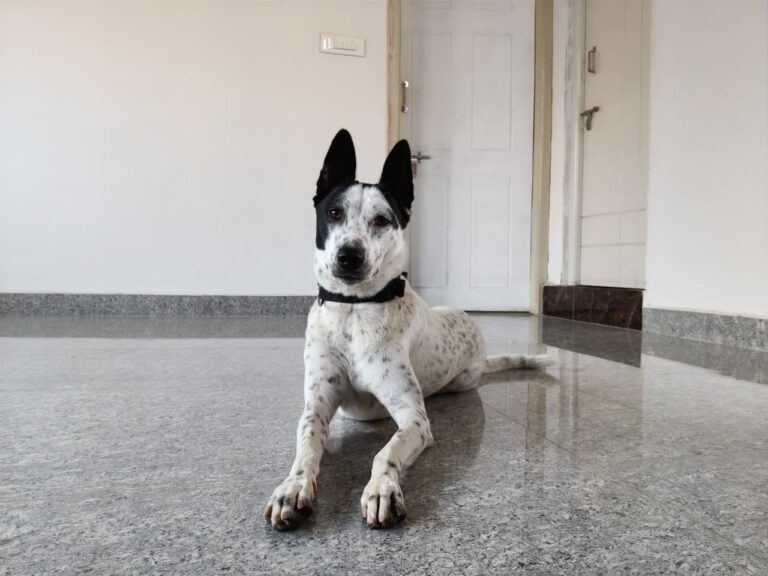
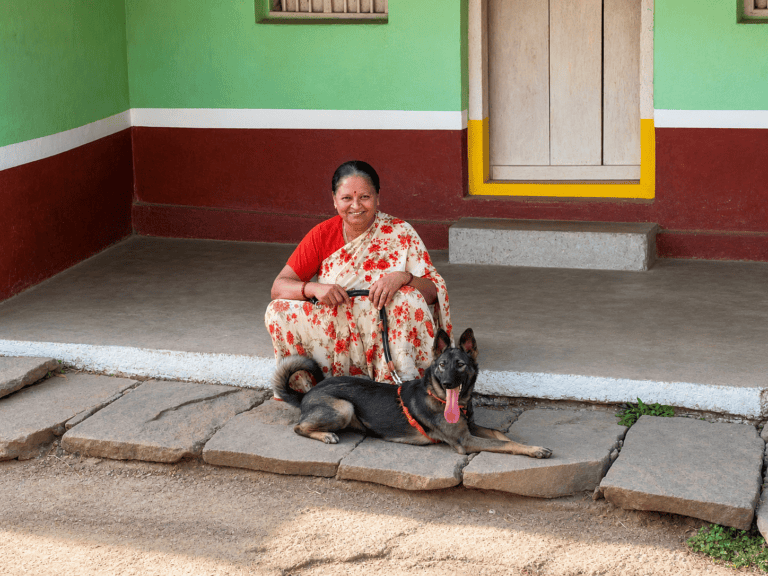
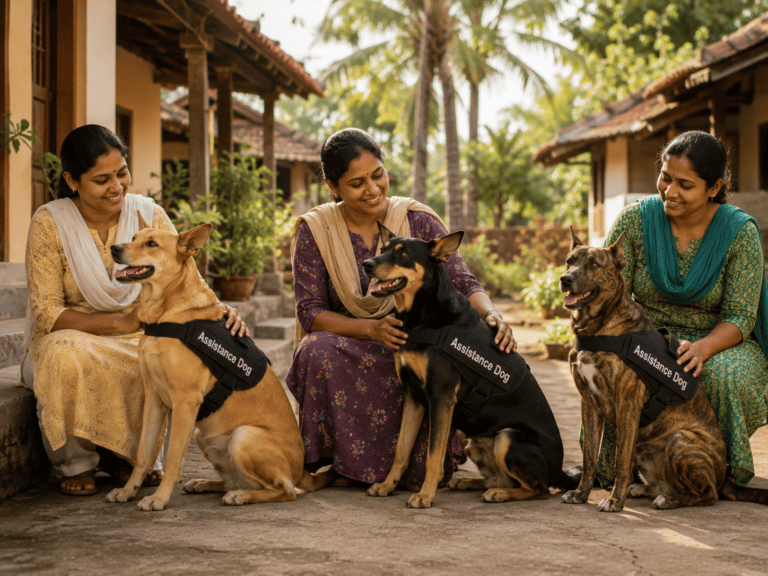
HeartDogs trains Indies - India's native landrace dogs - as assistance and therapy dogs in India. We're building a model that can grow - one that puts trained working dogs within reach of Indian families who need them, at a scale that matches the actual need.