What makes Labradors and Goldens the global default
Labradors and Golden Retrievers dominate assistance dog programmes in the West for good reasons. They're bred for biddability - a willingness to work with people and follow direction. Decades of selective breeding have produced lines specifically suited to assistance work, with calm temperaments, high food motivation and strong social drives.
Western programmes have also built entire supply chains around these breeds - breeding programmes, puppy walkers, standardised assessment tools. The infrastructure grew around the dog, not the other way around. That model works well where the infrastructure, climate and cost conditions match. India is a different situation.
Why that model doesn't transfer easily to India
- Climate. Labradors and Goldens can and do live successfully in India. However, their breeding history means they generally need more careful management in India's hotter regions than dogs naturally adapted to local conditions, particularly for sustained working activity over long periods.
- Cost. A well-bred Labrador or Golden from a responsible breeder in India is not cheap. Add health screening, vaccination and the long training period, and the cost of getting a dog to the starting line is significantly higher than it needs to be.
- Availability. India does not have established breeding programmes for assistance-dog-quality Labradors or Goldens. What's available in the market is largely from commercial or pet breeders, with no screening for the temperament traits that assistance work requires.
- Health. Both breeds carry higher risks of inherited conditions - hip dysplasia, elbow problems - particularly in dogs not health-tested to a rigorous standard. A working dog with joint problems partway through its career is both a welfare concern and a practical problem for the family depending on it.
What Indies bring to this work
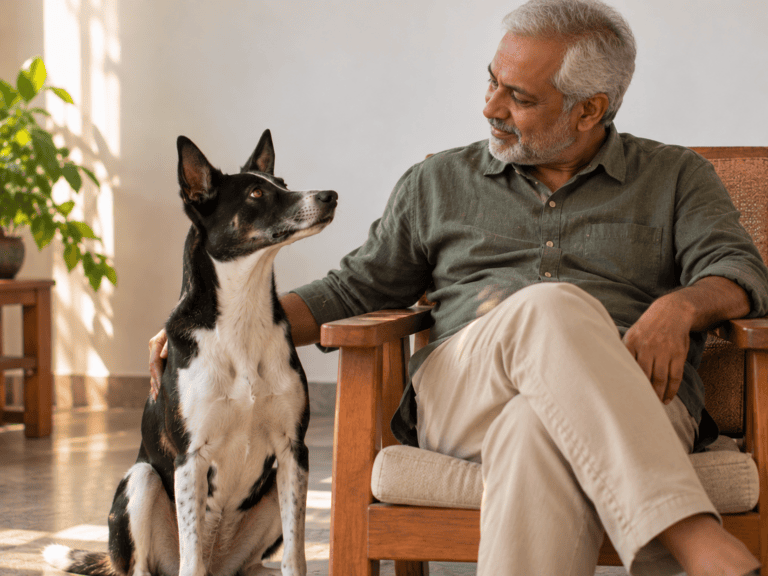
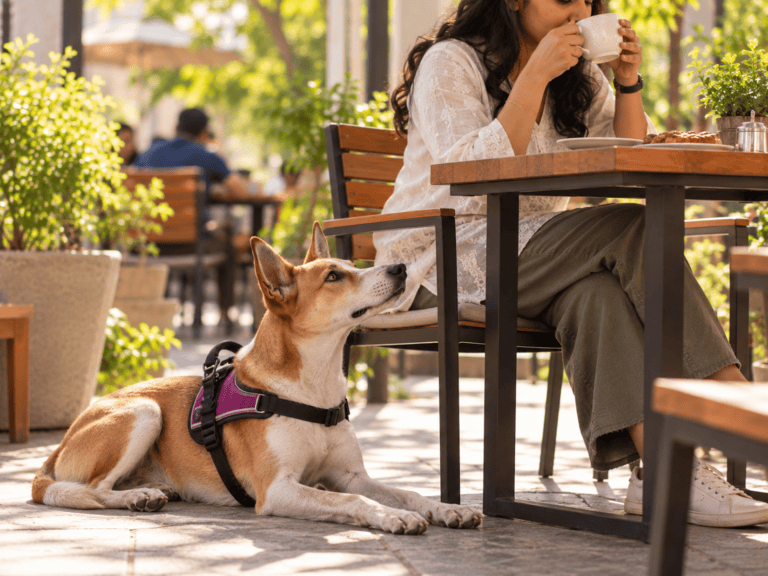
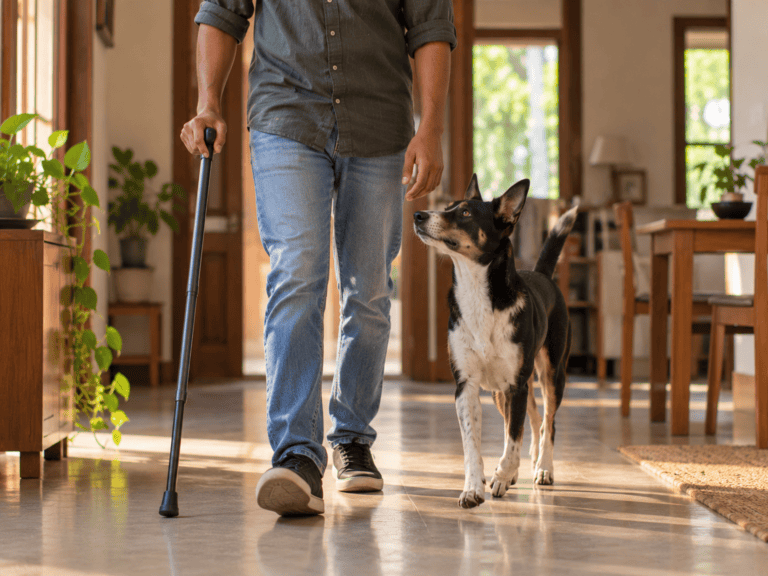
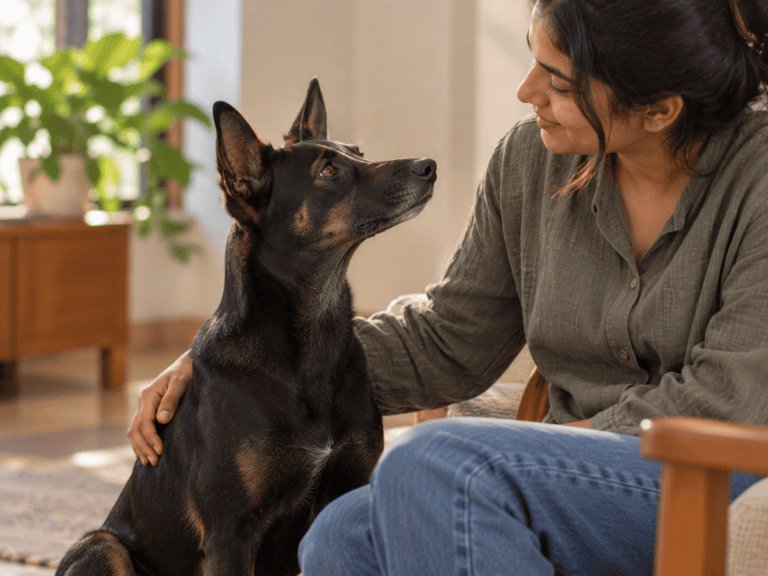
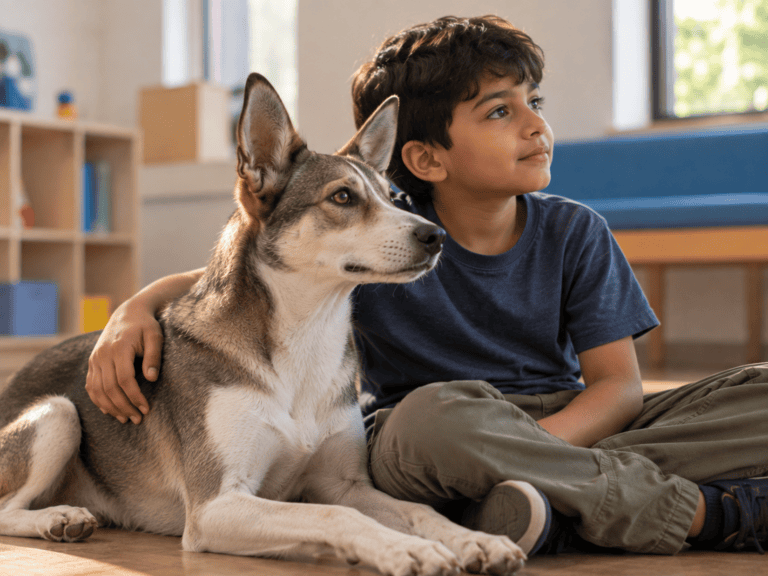
Indies, India's native landrace dogs, have spent generations surviving on Indian streets. That history has shaped them in ways that are directly relevant to assistance work - and in ways that deserve far more credit than they get.
- Climate adaptation. Indies are built for India. They handle heat and unpredictable environments without the management overhead that dogs bred for cooler climates require.
- Health resilience. As a population, Indies tend to have fewer inherited breed-specific disorders than many pedigree breeds, although individual dogs can still develop health problems. The absence of narrow selective breeding generally works in their favour.
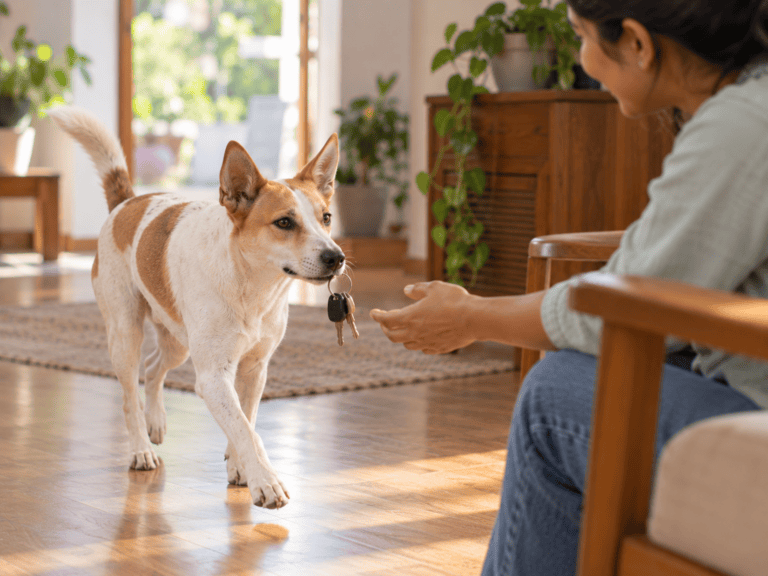
- Intelligence and adaptability. Surviving independently on Indian streets requires a dog to read environments, people and situations accurately and quickly. These are not passive dogs. They're alert, observant and highly adaptable - qualities that translate well into assistance work with the right training.
- Available, and waiting. Indies don't need to be bred or imported. They're in shelters, on streets, and in rescue organisations across India - often dismissed, often unwanted, despite being some of the most resilient and capable dogs this country has ever produced. Training them for assistance work gives many of these dogs the opportunity to fulfil a role that matches what they're actually capable of.
A quick comparison
| Factor | Labrador / Golden | Indie |
|---|---|---|
| Climate adaptation | Moderate - needs careful management in heat | High - naturally adapted |
| Import or purchase required | Often yes | No - available through rescue |
| Local availability | Limited quality breeding stock | High |
| Breed-specific inherited disorders | Higher risk without rigorous health testing | Generally lower as a population |
| Adapted to Indian conditions | Moderate | High |
What we're not claiming
Indies are not a guaranteed fit for assistance work any more than Labradors are. Temperament selection still matters enormously. Not every Indie will have the right combination of calm confidence, social ease and trainability that this work requires, and careful individual assessment is essential before any dog enters a training programme.
It's also worth saying something the wider assistance dog world doesn't always say openly: even in the most established programmes in the US and UK, only a proportion of dogs that begin training ultimately qualify for placement. Depending on the programme, success rates typically range from 30 to 50% - meaning the fall-out rate across the pipeline can be 50 to 70%. That isn't a failure of the dogs. It's a reflection of how demanding this work actually is, and how precise the selection needs to be.
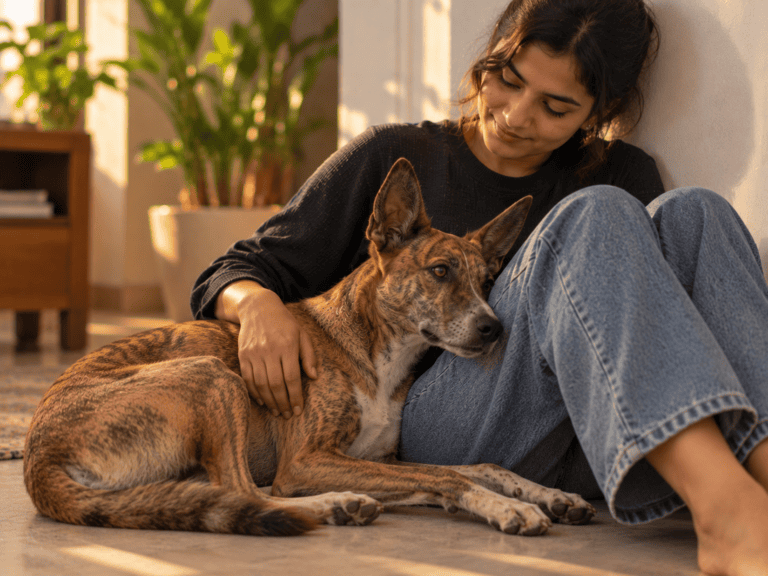
HeartDogs assesses every dog individually. Temperament comes first. Only dogs with the right combination of confidence, trainability and social ease continue through the programme. Working with rescued Indies simply means starting with dogs that are already adapted to the country in which they'll eventually work.
India may already have the right dogs for this work. We just haven't been looking in the right place.